
Takeaways from Tuesday’s primaries in Michigan, Missouri, Kansas, Virginia and Washington
Primary Election Results Signal Shifting Dynamics Across Five States
Goldlaner.com – Voters across Michigan, Missouri, Kansas, Virginia, and Washington state cast ballots on Tuesday in a series of contests that will shape the upcoming midterm election landscape. The results reveal a Democratic Party navigating internal tensions between progressive and moderate factions while simultaneously demonstrating resilience against Republican-led initiatives.
Michigan Senate Race Remains Tight
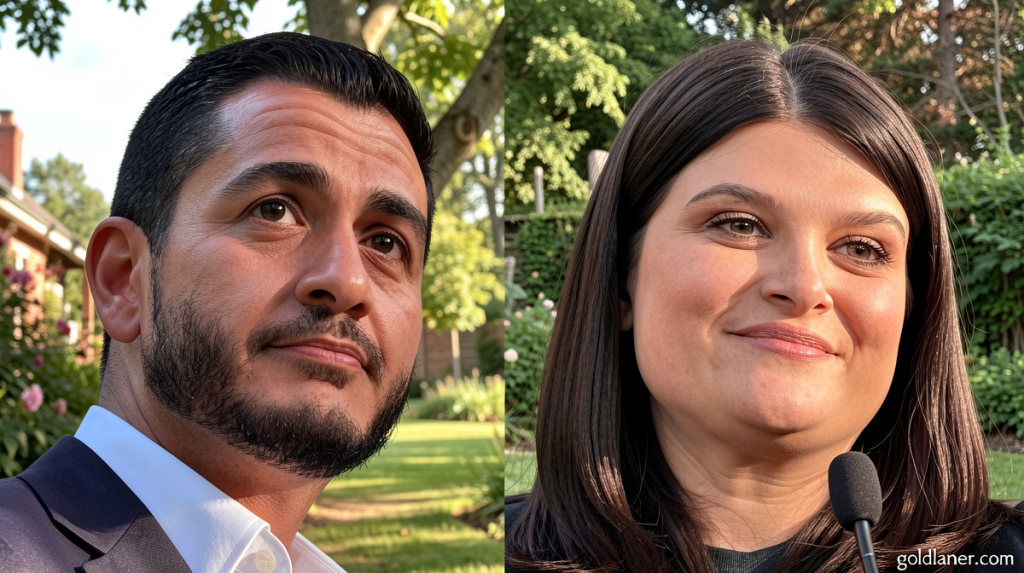
The Democratic Senate primary in Michigan emerged as the most consequential contest of the evening, with results still being tallied as Wednesday morning approached. Progressive candidate Abdul El-Sayed, a former public health official, and moderate Representative Haley Stevens found themselves in an unexpectedly close battle for the nomination.
Winning this seat represents critical importance for Democrats, who require a net gain of four Senate seats to secure majority control in the chamber. The position becomes available with the retirement of Senator Gary Peters, whose departure creates an opportunity for the party to strengthen its position in the upper chamber.
Stevens told supporters at her campaign headquarters just before 1 am: “We knew this was going to be a close race, and that’s exactly what we’ve got.”
El-Sayed offered a conciliatory message following his speech at his own headquarters. He acknowledged the disappointment of not securing victory while emphasizing unity within the party.
“There is so much more that unites us than divides us. And so, to all of our supporters here tonight, watching on TV: Tomorrow we begin to mend fences,” El-Sayed said.
Progressive Challenges Face Mixed Results
The progressive movement encountered both setbacks and victories across the primary ballot. In St. Louis, Representative Wesley Bell successfully defended his seat against former Congresswoman Cori Bush in a rematch of their 2024 contest. Bush, a democratic socialist and former member of the progressive “Squad,” had previously defeated a Democratic incumbent in 2020 before losing the seat to Bell four years later.
The St. Louis race carried particular significance given that Black voters comprise approximately half of the district’s electorate. While both candidates share similar ages—Bush at 50 and Bell at 51—differences in political style remain apparent. Bush has cultivated a reputation as an aggressive progressive fighter, whereas Bell positions herself as a consensus builder focused on practical solutions.
Meanwhile, Michigan’s 7th District primary produced a victory for the left wing of the party. Democratic socialist William Lawrence secured a three-way primary victory, defeating former U.S. Ambassador to Ukraine Bridget Brink and Navy SEAL veteran Matt Maasdam. Lawrence now faces Republican Representative Tom Barrett in what represents a crucial test for Sanders-backed candidates in competitive districts.
Lawrence’s campaign has drawn criticism from establishment figures, including the Congressional Black Caucus and House Minority Leader Hakeem Jeffries, following the publication of his 2024 comments regarding Black political leaders. His remarks suggested that such leaders “defang the White left,” a characterization that sparked debate within Democratic circles.
Missouri Voters Reject Ballot Measure Restriction
In a development with broader implications for democratic participation, Missouri voters overwhelmingly rejected Amendment 4, a Republican-sponsored initiative designed to raise the threshold for voter-approved ballot measures. The amendment would have required such measures to secure a majority in every congressional district within the state, rather than simply achieving a statewide majority.
As of late Tuesday evening, the amendment received only 20 percent of the vote, representing a margin larger than typical rejections of similar proposals. This outcome aligns with recent voter behavior in other states, including Ohio, Arkansas, and South Dakota, where voters have consistently opposed efforts to make ballot measures more difficult to pass.
Arizona stands as a notable exception, having narrowly approved a comparable measure in 2022. The Missouri result demonstrates continued voter skepticism toward Republican attempts to limit direct democracy mechanisms.
Additional Contests Shape November Matchups
Voters in Michigan and Kansas determined their gubernatorial candidates, while Virginia residents selected nominees for key congressional positions. In Missouri, an incumbent Democrat successfully defended against a democratic socialist former congresswoman seeking to reclaim her previous seat.
These results collectively suggest a Democratic Party attempting to balance ideological diversity while maintaining electoral competitiveness. The party faces the challenge of uniting progressive and moderate wings ahead of what promises to be a critical midterm election cycle.
Related Reading
Frequently Asked Questions
What is Takeaways from Tuesday s primaries in Michigan?
Takeaways from Tuesday s primaries in Michigan is the main topic of this guide. The article explains the context, practical details, and next steps readers should understand.
Why does Takeaways from Tuesday s primaries in Michigan matter?
Takeaways from Tuesday s primaries in Michigan matters because readers are looking for a useful answer, not just a short summary. Good content should match search intent and help them decide what to do next.
