
Judge says Trump can’t add his name to Kennedy Center and blocks planned closure
Judge Blocks Trump’s Renaming and Closure of Kennedy Center
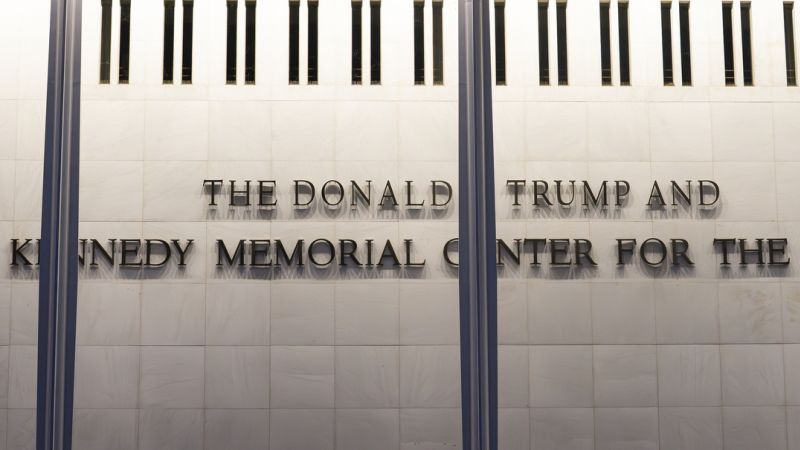
Judge says Trump can t add his – A federal judge has halted efforts to rename the Kennedy Center in honor of former President Donald Trump and prevented the planned temporary closure of the iconic arts venue. In a landmark decision issued Friday, US District Judge Casey Cooper ruled that the center’s board violated the law by adding Trump’s name to its title, emphasizing that the institution was established as a tribute to President John F. Kennedy and cannot be renamed unilaterally. The judge’s opinion, spanning 94 pages, clarified that Congress, not the board, holds authority over the Kennedy Center’s name and any decisions to close it.
Trump’s Legal Battle and Ruling Details
Trump, who was elected chairman of the board last year, had sought to rename the Kennedy Center the “Trump Kennedy Center” and announced plans to temporarily shut it down for a two-year renovation. Cooper’s ruling stated that the center may not display or maintain any signage implying it is named for anyone other than President Kennedy. The decision also required the removal of all references to Trump’s name from the Kennedy Center’s branding, including its website, within two weeks. While the closure remains under review, the renaming effort is now blocked.
Legal Context and Institutional Authority
The Kennedy Center has operated under a statutory framework since its founding in 1971 as a living memorial to President John F. Kennedy. Under this structure, the executive branch oversees the board of trustees, while Congress controls annual funding. Cooper’s ruling reinforced that the center’s name is a congressional designation, and the board cannot alter it without legislative approval. The judge criticized the board for failing to consider the full statutory obligations of the institution when voting to close it, stating that the closure plan lacked sufficient justification.
Trump’s administration had argued that the renaming was a tribute to his cultural influence and that the closure would allow for essential upgrades. However, the judge noted that the board’s decision was made without adequate documentation or consultation, undermining its legitimacy. The ruling also highlights the tension between executive control and congressional oversight, with Cooper asserting that the board’s actions violated the law’s clear intent.
Reactions and Future Plans
Democratic Rep. Joyce Beatty, who spearheaded the legal challenge, praised the decision as a victory for the institution’s independence. “The Kennedy Center is an institution that belongs to the American people, not to Donald Trump,” she stated in a press release. The center’s vice president of public relations, Roma Daravi, acknowledged the ruling but emphasized that the renovation plans would proceed. While the closure is currently blocked, the Kennedy Center may still pursue renovations and could later decide to close the facility after thoroughly evaluating its impact on maintaining required programming.
Beatty’s lawsuit initially targeted the board’s decision to rename the center, but it evolved as Trump’s closure plan emerged. Her legal team argued that the board members lacked transparency and did not provide sufficient evidence to support the closure. Cooper agreed, stating that the board’s vote lacked proper consideration of the center’s mandate to sustain cultural programming. The decision has sparked debate about the balance of power between the executive and legislative branches in managing national institutions.
With the renaming and closure blocked, the Kennedy Center faces the challenge of implementing its renovation plans while adhering to the judge’s order. The facility requires urgent infrastructure upgrades, including HVAC systems and theater seating, but the board must now ensure its actions align with the law. The ruling sets a precedent for future disputes over the naming and operational decisions of federally funded institutions, reinforcing the importance of congressional authority in such matters.
