
Asia’s next great gourmet destination? Inside Indonesia’s fine-dining revolution
Indonesia’s Culinary Renaissance: From Colonial Feasts to Global Recognition
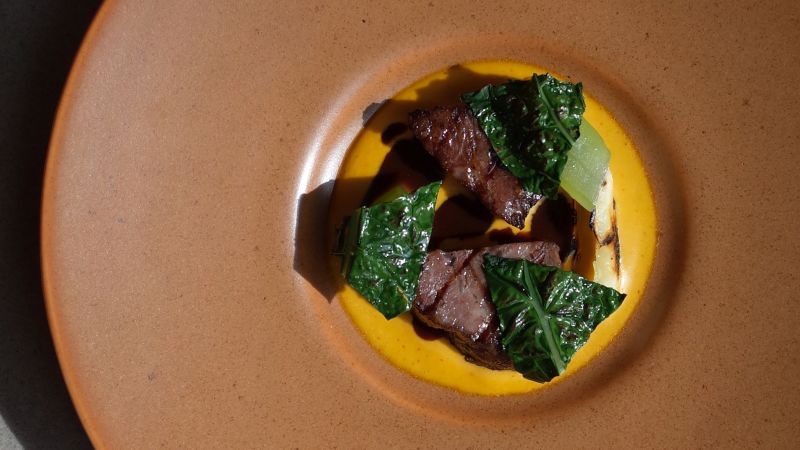
Goldlaner.com – Indonesia is rapidly emerging as a premier destination for sophisticated gastronomy, with its capital city Jakarta serving as the epicenter of this culinary transformation. The nation’s dining landscape has evolved dramatically from its colonial-era foundations into a vibrant, modern movement that is capturing international attention. At the forefront of this revolution is August, a restaurant that opened its doors in 2021 within a gleaming skyscraper in Jakarta’s central business district.
The concept behind August was developed by a dynamic duo: Hans Christian, a Jakarta native, and Budi Cahyadi, who hails from the Indonesian island of Lombok. Together, they have established a new standard for fine dining in the country, offering a contemporary tasting menu that operates at world-class levels of both culinary execution and service. Their achievement has not gone unnoticed by the global hospitality industry. August secured the 42nd position on Asia’s 50 Best Restaurants 2026 list and received prestigious recognition at The Best Chef Awards.
A Rich Historical Foundation
Long before this modern renaissance, Indonesia’s culinary heritage was being documented by pioneering Western observers. More than a century and a quarter ago, Eliza Ruhamah Scidmore—National Geographic magazine’s inaugural female writer, photographer, and board member—journeyed through colonial Indonesia. Her travels resulted in the publication of “Java: The Garden of the East,” a work that captured her fascination with local dining traditions.
Scidmore was particularly captivated by the rijsttafel, or rice table, an elaborate multi-dish banquet traditionally served at the grand Hotel de Nederlanden in Batavia, as Jakarta was then called. She described witnessing a “conglomerate mountain” of food, featuring an impressive array of fish, duck, chicken, beef, omelettes, and onions arranged alongside steaks, salads, curries, chutneys, spices, and tropical fruits. This magnificent spread was designed to please all 100 or so guests who filled the dining hall, including even the “squeamish folk, unseasoned tourists and well-starched Britons with a small sense of humor.”
For many years, Western understanding of Indonesian cuisine remained largely confined to these opulent colonial celebrations. The archipelago, despite being home to the legendary Spice Islands that triggered a 16th- and 17th-century “spice rush” for cloves, nutmeg, and mace by Portuguese, Dutch, and British traders, remained relatively mysterious to international palates.
From Humble Warungs to World-Class Dining
In recent decades, global awareness of Indonesian food has expanded beyond colonial feasts to include beloved everyday dishes found in homes and warungs—street-side eateries across the nation. Satay, nasi goreng, and beef rendang have become familiar favorites among travelers worldwide.
However, a new generation of chefs is now elevating Indonesian cuisine to unprecedented heights. William Wongso, a renowned Indonesian culinary expert and author, notes that “the existing understanding of Indonesian food culture is very shallow.” This observation reflects the reality that Indonesia, comprising thousands of islands spread across two oceans, represents the world’s largest archipelagic country with wildly varied regional ingredients and flavors.
Jakarta has emerged as a crucible for this culinary movement, drawing talent from across the nation much like New York or Shanghai. Wongso explains, “Everybody wants to come here to make a thing. So people from different regions bring flavors and food cultures.” Some chefs open humble warungs to serve their regional specialties, while others reimagine Indonesian cuisine for a broader audience.
Hans Christian reflects on the transformation he witnessed upon returning to Jakarta: “When I came back to Jakarta, you either had classic French fine dining or very casual bistros, mostly run by expat chefs. There were no locally grown chefs doing their own thing with their own roots or interpretations.” Having sharpened his skills in Malaysia and the United States before returning to Jakarta in 2016, Christian views August as an expression of pride in telling Indonesia’s own story. “It is about a responsibility to not only embrace our roots, but also relearn them,” he says.
Through their innovative approach, these chefs are sharing the sophisticated stories of Indonesian flavor through a different lens, positioning their nation as Asia’s next great gourmet destination.
Related Reading
Frequently Asked Questions
What is Asia s next great gourmet destination?
Asia s next great gourmet destination is the main topic of this guide. The article explains the context, practical details, and next steps readers should understand.
Why does Asia s next great gourmet destination matter?
Asia s next great gourmet destination matters because readers are looking for a useful answer, not just a short summary. Good content should match search intent and help them decide what to do next.
