
Israel shared intelligence with US of Iranian plot to assassinate Trump, sources say
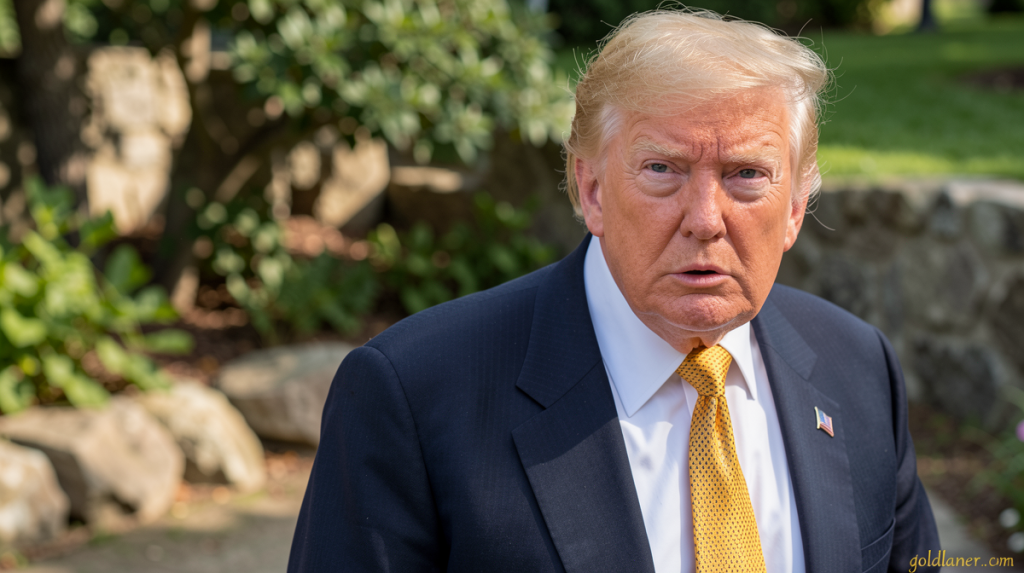
Israel Shared Intelligence with US on Iranian Trump Assassination Plot
Israel shared intelligence with US of Iranian – Israel shared intelligence with US officials revealing a new Iranian plan to assassinate President Donald Trump, according to two sources familiar with the matter. This fresh intelligence comes as diplomatic efforts to maintain a ceasefire between the nations face increasing strain. One source explained that the warning was delivered earlier this week, while another noted that Washington had been receiving steady updates over recent weeks about potential threats to the president. What made the Israeli communication distinct was the introduction of a concrete, specific operation rather than general concerns.
Strategic Timing of Intelligence Sharing
American officials have suggested that Israel shared intelligence with US counterparts partly to influence Trump’s decisions about potentially expanding military operations against Iran. The exact details of the Iranian plot remained unclear when the report emerged. Two sources confirmed that American authorities had not independently verified this intelligence before receiving the Israeli notification.
The United States has long maintained that Iran might attempt to assassinate Trump in retaliation for the 2020 drone strike that killed Iranian military commander Qasem Soleimani. When asked about the Israeli warning—first reported by the Wall Street Journal—the White House pointed to Trump’s recent comments about Iran’s intentions toward him.
“They want to take out the US leader — me,” Trump told reporters Wednesday. “I’m on whatever list. I saw this morning I’m on every single one of their lists. And so far, I guess I’ve been a bit lucky, but maybe that doesn’t last very long. These are evil, sick people. And we have to root out that cancer. That cancer. You know what you do? You’ve got to cut out cancer early. And that’s the way I feel.”
Regional Tensions and Military Readiness
Trump later mentioned learning about a new ranking that identified him as Iran’s top assassination target. It is unclear whether this reference related to the intelligence Israel shared with US agencies. During the weekend, large crowds of Iranians chanted for Trump’s death at funeral ceremonies for Supreme Leader Ayatollah Ali Khamenei, who died at the beginning of the conflict.
Hostilities between the United States and Iran have grown significantly in recent days, with both sides exchanging threats and military strikes while a 60-day ceasefire designed to stop fighting begins to unravel. Two sources close to recent American intelligence assessments said the intelligence community is tracking multiple actors who have discussed attacks but have not yet carried them out. One source noted that American intelligence agencies worry Iran might target numerous current and former senior officials.
However, that same source indicated that the Israeli report is viewed—partially—as part of a broader Israeli effort to shape Trump’s decision-making regarding Iran. Some intelligence community members remain skeptical of Israeli reporting, according to the source. Israeli Prime Minister Benjamin Netanyahu has publicly expressed strong reservations about Trump’s diplomatic efforts with Iran and has clashed with the president over Israeli military operations in Lebanon, which complicated negotiations.
Ongoing Diplomatic Channels
The two leaders spoke by telephone on Thursday, and Netanyahu is expected to travel to Washington soon for discussions with the president. On Thursday, another American official stated that diplomatic channels with Iran remain active behind the scenes, despite renewed strikes between the two nations and Trump’s announcement the previous day that the Memorandum of Understanding with Iran was “over.” Washington and Tehran are working toward a nuclear agreement by mid-August.
Multiple officials confirmed that preparations for potential military strikes were underway for Thursday night, though they chose to prioritize diplomacy over immediate action. Earlier that day aboard the USS Abraham Lincoln, crews equipped fighter jets with weapons while pilots conducted drills in anticipation of possible strike missions. The aircraft carrier’s commanding officer, Dan Keeler, informed the thousands of crew members that conditions were intensifying. Throughout the day and night, fighter pilots maintained routine defensive operations with
