
Gavin Newsom Fast Facts
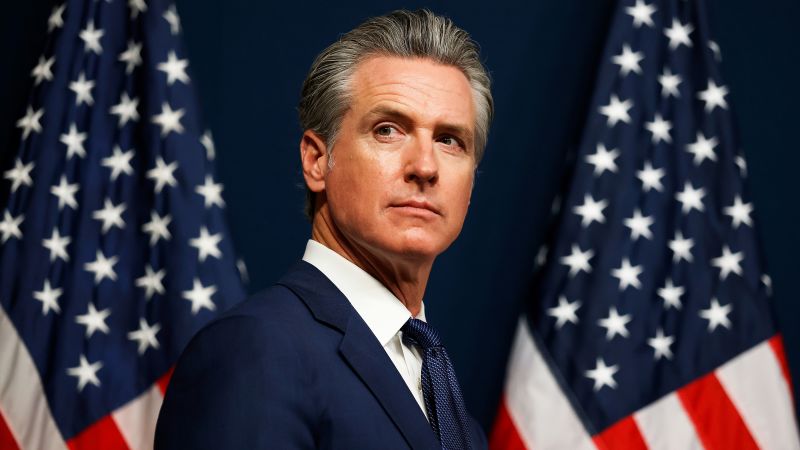
Gavin Newsom Fast Facts: A Comprehensive Overview of His Life, Career, and Political Journey
Early Life and Family Background
Gavin Newsom Fast Facts provide a snapshot of the life and career of the 40th governor of California. Born on October 10, 1967, in San Francisco, Newsom grew up in a family that balanced professional aspirations with personal sacrifices. His father, William Alfred Newsom III, was a prominent attorney and served as a judge on the state’s appeals court, while his mother, Tessa Thomas Menzies, worked as a waitress, secretary, paralegal, and entrepreneur, embodying a spirit of resilience. These early influences shaped his worldview and contributed to his later leadership.
Education and Early Career
Newsom’s academic journey began at the University of California, Berkeley, where he earned a degree in political science. After graduation, he ventured into the private sector, co-founding a wine shop in 1992 with his friend Gordon Getty. This endeavor expanded into a broader network of restaurants and wineries under the Plumpjack Group, showcasing his business acumen. His transition to public service started in 1995 when he volunteered for Willie Brown’s mayoral campaign, marking the beginning of his political trajectory.
“I take full responsibility for my personal mistakes,” Newsom admitted in 2007, addressing his extramarital affair and alcohol-related issues. This candid statement became a pivotal moment in his political career, reflecting his willingness to confront personal challenges while maintaining public accountability.
Political Ascent and Key Milestones
Gavin Newsom Fast Facts reveal a series of milestones that defined his political career. His mayoral campaign in 2003, which resulted in a decisive win with over 53% of the vote, marked a turning point. As San Francisco’s mayor from 2004 to 2011, Newsom championed progressive policies, including a landmark decision to issue same-sex marriage licenses in 2004. This bold move, though contested, earned him recognition as a trailblazer for LGBTQ+ rights.
Newsom’s leadership faced challenges, such as the 2005 California Supreme Court ruling that invalidated same-sex marriages. However, his 2008 re-election demonstrated public support for his vision. In 2010, he became lieutenant governor, a role that solidified his influence in state politics before his 2019 gubernatorial victory.
Controversies and Resilience
Gavin Newsom Fast Facts include a notable personal scandal in 2007, when he admitted to an affair with his campaign manager’s wife. This revelation, paired with his acknowledgment of alcohol-related issues, sparked both criticism and empathy. Despite this, Newsom’s 2007 re-election underscored his ability to recover and maintain public trust. His career reflects a pattern of perseverance, as seen in his later campaigns and policy decisions.
Newsom’s political journey is also marked by strategic career moves, such as his withdrawal from the 2009 gubernatorial race to pursue the lieutenant governor position. These decisions highlight his adaptability and long-term vision. His tenure as governor has been defined by initiatives like the California Dream Act and climate policies, further cementing his legacy.
Governorship and Policy Impact
As California’s governor since 2019, Newsom has navigated complex challenges, including the pandemic and economic recovery. His March 2020 statewide stay-at-home order became a critical measure in slowing the virus’s spread, even as it faced initial pushback. This action exemplifies his proactive approach to governance. Additionally, his advocacy for environmental sustainability and social equity has positioned him as a key figure in progressive policymaking.
Gavin Newsom Fast Facts also note his leadership during the 2020 wildfires, which tested California’s emergency response systems. By prioritizing climate action and expanding access to education, he has sought to address both immediate crises and long-term societal needs. His ability to balance personal accountability with public service remains a central theme in his political narrative.
