
Democrats ask Goldman Sachs CEO why he’s keeping lawyer who said she’d resign over ties to Epstein
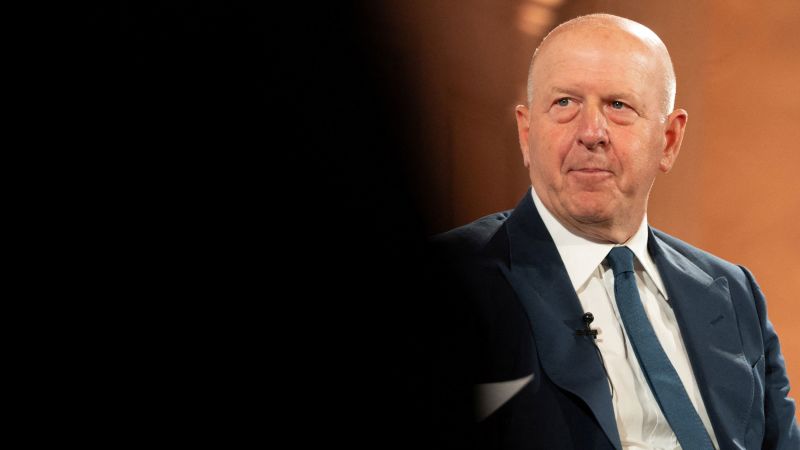
Democrats Ask Goldman Sachs CEO Why He Retained Epstein-Tied Lawyer
Democrats ask Goldman Sachs CEO why he – Democrats are pressing Goldman Sachs CEO David Solomon for answers about his decision to keep Kathy Ruemmler in a senior advisory role after she initially announced her resignation. The inquiry follows new revelations linking Ruemmler to convicted sex offender Jeffrey Epstein, prompting questions about the firm’s due diligence and leadership choices. As congressional investigators delve deeper, they seek clarity on whether Solomon’s retention of Ruemmler reflects a lack of oversight or a calculated risk in light of her controversial ties to Epstein.
Leadership Under Scrutiny
Senator Elizabeth Warren and Representative Raja Krishnamoorthi have directed their focus toward Solomon, demanding explanations for his decision to retain Ruemmler despite her previous plans to resign. Their letter emphasizes that Ruemmler’s resignation was announced in February, yet she remained in an advisory capacity until June 30. The Democrats argue this raises concerns about how Goldman Sachs managed the fallout from Ruemmler’s association with Epstein, who was known for his predatory behavior and legal connections to high-profile figures.
Warren, who leads the Senate Banking Committee, and Krishnamoorthi are questioning Solomon’s judgment in keeping Ruemmler on board. They have asked for specifics about the firm’s internal processes and whether Epstein’s network influenced Ruemmler’s continued employment. The lawmakers also want to know if Solomon was aware of her prior interactions with Epstein and how the company ensured transparency in her role. These questions aim to uncover potential conflicts of interest and assess Goldman Sachs’ commitment to accountability.
Epstein’s Legal Influence and Ruemmler’s Role
Ruemmler’s ties to Epstein date back years, beginning during her tenure in the Obama administration. After leaving the White House, she maintained a close professional relationship with the financier, which continued into her time at Goldman Sachs. The recent leaks of records from the Justice Department reveal that Ruemmler played a key part in shaping Epstein’s legal strategy and media responses to his alleged misconduct. This has fueled the Democrats’ demand for an explanation of why Solomon chose to retain her despite the controversy.
The documents show Ruemmler was deeply involved in Epstein’s legal affairs, even as his 2008 conviction for soliciting prostitution with a minor gained public attention. Her role included coordinating communication with journalists and advising on how to present his case. The Democratic inquiry now centers on whether this history of collaboration with Epstein led to a lack of proper vetting at Goldman Sachs. They are also examining the compensation structure for Ruemmler’s advisory work and the firm’s transparency in disclosing these connections to stakeholders.
Due Diligence and Public Perception
Democratic lawmakers are calling for greater transparency in Goldman Sachs’ due diligence process, asking Solomon to detail what information was known about Ruemmler’s relationship with Epstein before her appointment. The focus keyword, “Democrats ask Goldman Sachs CEO why,” is echoed in their request to understand the rationale behind her retention. They are particularly interested in how the firm’s leadership handled the knowledge of her involvement in Epstein’s legal network and whether any steps were taken to address the risk of public backlash.
Epstein’s influence on Ruemmler’s career has become a focal point of the Democratic inquiry. The records indicate she was instrumental in crafting narratives that downplayed his misconduct, which has led to accusations that Goldman Sachs may have prioritized her expertise over her potential ties to Epstein. The lawmakers are now pushing for an investigation into whether the firm’s board or executives were fully informed of these connections. Their questions highlight the ongoing debate about the role of corporate leaders in ensuring ethical standards are upheld, even when dealing with high-profile legal advisors.
