
Defenders of Trump’s ‘anti-weaponization’ fund are few. And they’re struggling
Few Defenders for Trump’s ‘Anti-Weaponization’ Fund as Debate Intensifies
Defenders of Trump s anti weaponization – Supporters of Trump’s controversial “anti-weaponization” fund are struggling to gain traction as political scrutiny mounts. The $1.776 billion initiative, tied to Trump’s legal battle with the IRS, aims to compensate individuals for alleged political attacks on his tax returns. However, the settlement has drawn fierce criticism from lawmakers and legal experts, who argue it grants undue immunity to Trump’s family and business interests while shielding him from potential accountability. Despite the administration’s claims of resolving a “weaponization” issue, the fund’s structure has sparked debate over its transparency and fairness, with few clear justifications offered in Congress.
Legislative Tensions and Executive Influence
The fund’s rollout has disrupted ongoing legislative efforts, particularly as the Senate debated an immigration enforcement package. Republican senators, including Thom Tillis, have lambasted the agreement as a political maneuver, with Tillis calling it “stupid on stilts.” While the fund’s backers emphasize its role in supporting victims of past administrations’ actions, critics argue it allows Trump to exert unchecked influence over the compensation process. The appointment of five fund overseers by Acting Attorney General Todd Blanche, with limited congressional oversight, has raised concerns about how decisions will be made and whether the fund serves its stated purpose.
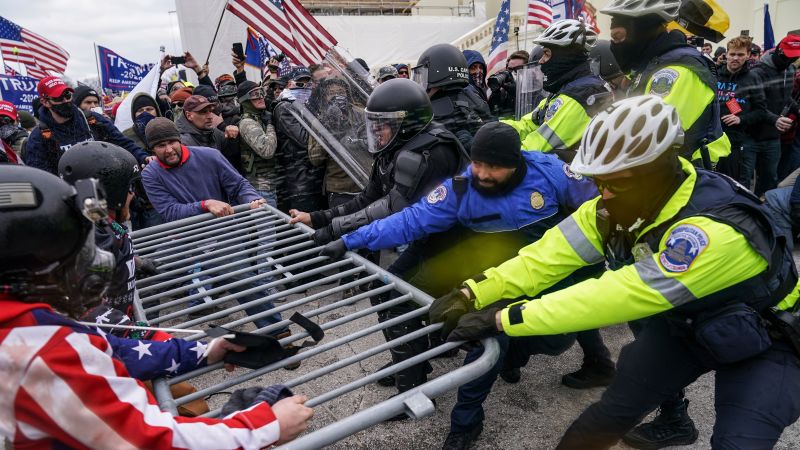
Under the terms of the settlement, Trump’s Justice Department retains broad authority to distribute funds, including those linked to the January 6, 2021, Capitol attack. This has led to accusations that the initiative blurs the line between addressing tax leaks and subsidizing individuals who may have supported Trump’s controversial policies. While the administration frames the fund as a resolution to “weaponization” by federal agencies, opponents highlight that the leak was traced to a government contractor, not a coordinated political effort by officials.
Immunity and Legal Implications
The agreement also grants Trump’s family and business entities immunity for past tax-related misconduct, up to the settlement’s effective date. This provision has drawn particular ire, as it appears to shield them from liability despite prior investigations into their financial practices. Critics argue that the fund’s primary function is to minimize legal consequences for Trump rather than address the root of the issue, which involves the IRS’s alleged misuse of taxpayer data. While the administration claims the settlement resolves the dispute, its terms have been viewed as a strategic compromise rather than a full resolution.
Some advocates have sought to defend the fund by citing cases like Tina Peters, a former Colorado elections clerk who was granted clemency by Democratic Governor Jared Polis. They argue that Peters, who faced charges of manipulating voting systems, represents a victim of political targeting. However, her prosecution was handled by local authorities, not federal agencies, and her case does not align with the broader narrative of “anti-weaponization” against Trump. This has left defenders struggling to make a compelling case for the fund’s relevance to the IRS controversy.
A Fractured Defense
Even as the administration pushes the fund’s narrative, its defenders have failed to present a cohesive argument. Jay Clayton, the head of the Southern District of New York, testified that the settlement was necessary to address intentional leaks of Trump’s tax returns, but critics point out the evidence for such a claim is weak. The lack of clarity in the fund’s purpose has further weakened its support, as lawmakers question whether it truly serves to correct past injustices or simply protects Trump from accountability. This divide has left the initiative in a precarious position, with its future hanging in the balance.
With the Senate’s support for the fund remaining uncertain, the battle over its legitimacy is far from over. The political fallout highlights the challenges of balancing accountability with executive power, as the fund’s terms continue to spark debate over their fairness and transparency. As the discussion unfolds, the focus keyword remains central to the controversy, underscoring its role in shaping the narrative around Trump’s legal and political maneuvers.
