
A question looms over Iran diplomacy: Is Trump being straight with the American people?
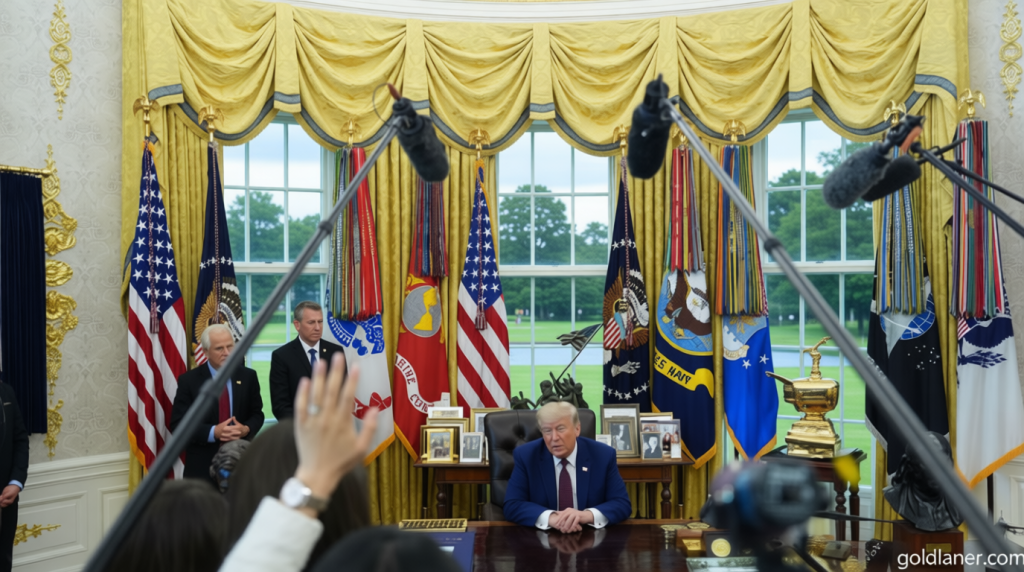
A Question Looms Over Iran: Trump’s Peace Deal Progress?
A question looms over Iran diplomacy – Amid ongoing diplomatic efforts with Iran, a critical question persists: Is the Trump administration being transparent with the American public? President Donald Trump has repeatedly asserted that a peace deal with Iran is on the verge of completion, emphasizing that “everything will work out well in the end.” However, this upbeat narrative has not yet materialized into concrete progress, sparking concern about whether the administration’s optimism matches the actual developments on the ground. While behind-the-scenes talks have reportedly moved forward, the initial agreement remains incomplete, and the broader vision of a lasting peace—such as securing the Strait of Hormuz and curbing Iran’s nuclear ambitions—still feels like a distant goal, despite months of discussions.
The current uncertainty has led to a cautious stance from Iran’s representatives. Tehran’s negotiators have paused communications, possibly due to regional tensions exacerbated by Israeli actions in Lebanon. This hesitation contrasts with Trump’s confident assertions, creating a perceptible divide between the administration’s rhetoric and the realities of the negotiations. The proposed ceasefire, while seen as a significant step, has drawn criticism for its symbolic nature. Recent incidents, like the Iranian attack on Kuwait airport and threats against US bases in Bahrain, have further complicated the fragile truce, raising doubts about its durability and the true extent of Iran’s concessions.
The Diplomatic Dilemma
Trump’s approach to the conflict has been characterized by a blend of military assertiveness and diplomatic optimism. He declared the war in February as a “victory” and suggested the conflict was effectively resolved by early March. Yet, the situation remains unresolved, and the administration’s claims of progress are now under scrutiny. In a recent podcast, Trump hinted at a potential meeting with Iran’s Supreme Leader, stating, “We seem to be getting along quite well.” This sentiment, while encouraging, may be overshadowing the complex negotiations that have stalled on key issues, such as Iran’s nuclear program and regional security arrangements.
“The negotiation itself has gone very well—actually, very well—even if it happens, and it might not happen, but if it happens, it could happen like over the weekend.” — President Donald Trump
Despite these optimistic remarks, the pace of progress has been slow, with the initial memorandum of understanding still in flux. Critics argue that Trump’s persistent cheerleading might be a way to obscure the lack of tangible outcomes. The administration’s narrative of a decisive end to the conflict hinges on military dominance and the psychological impact of the campaign, rather than a formal, binding agreement. As the negotiations continue, the question looms over Iran: is the progress being reported genuine, or is it a reflection of the administration’s strategic priorities?
Key Challenges and Unmet Expectations
Secretary of State Marco Rubio, a central figure in the diplomatic strategy, has faced mounting pressure to justify the administration’s position. During congressional testimony, he emphasized military successes, such as the destruction of Iran’s industrial infrastructure and the reduction of its missile capabilities. However, these victories have not yet translated into a peace agreement, leaving the administration in a precarious position. The delay in formalizing the deal has fueled speculation about the prioritization of political messaging over substantive negotiations.
Iran’s demands, including the opening of the Strait of Hormuz without tolls and the removal of mines, remain central to the talks. While the US has proposed these terms as a pathway to lifting sanctions, the absence of immediate economic relief has raised questions about the deal’s fairness. The administration’s conditional approach suggests that Iran holds significant leverage, and the question looms over Iran: will the promised peace be achievable, or is it a temporary reprieve from an ongoing conflict?
As the diplomatic process unfolds, the focus keyword “A question looms over Iran” continues to surface, underscoring the public’s skepticism about the administration’s commitment to a lasting solution. The situation highlights the delicate balance between military action and diplomatic engagement, with the outcome hinging on the ability to reconcile competing interests. With the clock ticking, the question looms over Iran: is the progress being reported genuine, or is it a calculated move to shape public perception before a final decision is made?
