
A Paralympian and ‘prairie populist’: How this Iowa Senate candidate is trying to spark a rural revival for Democrats
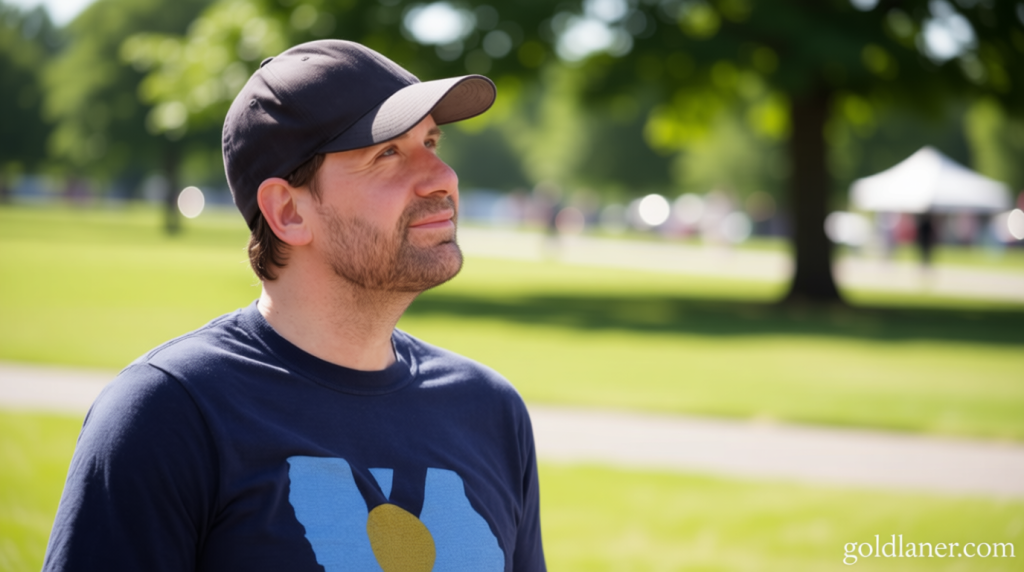
Josh Turek’s Bid for Iowa Senate: A Paralympian’s Quest to Revive Democratic Hopes in Rural America
A Paralympian and prairie populist – On a recent afternoon, Josh Turek, a candidate for the Iowa Senate, found himself in a suburban neighborhood where the air was thick with the scent of freshly cooked spaghetti. Theresa Weeks, a long-time resident of the area, was in the middle of preparing dinner when Turek arrived unannounced. “I was just watching your commercial,” she said, welcoming him with a warm hug on her front steps. “I’m delighted to see you.” Her reaction underscored the significance of Turek’s campaign, which aims to reinvigorate Democratic prospects in Iowa—a state where Republicans have held the Senate seat for over two decades. This race is more than a political contest; it represents a pivotal moment for the party’s strategy in rural regions that have traditionally leaned conservative.
The Candidates: Disability, Populism, and Geography
Turek, 47, is running to replace Republican Senator Joni Ernst, who is stepping down after her second term. But his campaign carries a broader ambition: to prove that Democrats can reclaim a Senate seat in Iowa for the first time since 2008. His approach hinges on identity and narrative. As a Paralympian, Turek leverages his physical disability as a symbol of resilience, hoping to connect with voters who value personal determination. “There’s nothing like face-to-face interaction,” he remarked, describing his efforts to navigate sidewalks, climb stairs, and engage with constituents. “You’ve got a guy in a wheelchair that crawls up the stairs to get your vote. It means a lot.” His journey from the US wheelchair basketball team to the Iowa legislature reflects a unique blend of athletic and political grit.
The primary race, set for Tuesday, pits Turek against Zach Wahls, a 34-year-old state senator with a different kind of political pedigree. Wahls, whose family story of being raised by two mothers sparked national attention in 2012, is from Johnson County—a region known for its progressive leanings and proximity to the University of Iowa. Turek, by contrast, hails from Council Bluffs, a working-class city along the Missouri River in western Iowa. Their backgrounds highlight the divergent paths Democrats are taking to appeal to Iowa’s electorate. While Wahls represents urban and educational hubs, Turek’s appeal is rooted in the heartland’s traditional values and a personal narrative of overcoming adversity.
Voter Sentiment and the Road to Revival
For decades, Iowa has been a stronghold for Republicans, with its Senate seat often considered a guaranteed win. But recent years have seen a shift. Theresa Weeks, who has lived in the state for 40 years, recalls a time when Democrats and Republicans were evenly matched in Senate races. Now, she sees a growing appetite for change. “I’m hopeful there is this quiet sentiment of change that will erupt and we will see that change come to fruition,” she said, her voice steady as she watched Turek’s campaign unfold. “I’m on a tightrope. I’m on pins and needles as to what our future holds.”
The midterms may serve as a litmus test for Iowa’s political direction. Will the state continue its rightward drift, or will Democrats find a way to reclaim influence in rural areas? This question is especially pressing given the national context. Voter frustrations with inflation, gas prices, and policy decisions like Medicaid cuts and tariffs have fueled a desire for new leadership. Josh Ladd of Des Moines, a moderate Democrat, echoed this sentiment. “We’ve been in one-party rule for the better part of a decade,” he said. “It feels different right now. You can’t quite put your finger on it, but your gut says it’s different.”
The Role of External Spending and Internal Divisions
Turek’s campaign has received a significant boost from VoteVets, a national Democratic super PAC that has invested nearly $10 million in his bid. This is an unusually large sum for Iowa, where outside spending typically plays a smaller role. The PAC’s focus on Turek’s Paralympian background and his legislative achievements—such as winning a narrow victory in a conservative district in 2022—highlights the party’s strategy to highlight relatable figures. However, this approach has drawn criticism. Wahls, who has been vocal about the influence of big money in politics, accused Senate Minority Leader Chuck Schumer of indirectly steering the primary through VoteVets. “Chuck Schumer is not meeting the moment,” Wahls said, addressing both the leader’s role and the broader threat posed by Trump’s policies. “And Donald Trump’s assault on our democracy.”
Wahls is not alone in his critique. Several Democratic candidates across the country, including Turek, have called for Schumer to step down as Senate Minority Leader. Their argument centers on the need for a more dynamic leadership that can galvanize voters in competitive races. “People want fighters who are going to go to bat for people that, you know, the establishment in Washington has written off,” Wahls told CNN, emphasizing his campaign’s focus on grassroots energy and accountability. This internal debate within the Democratic Party mirrors the challenges of balancing ideological consistency with the need for broad appeal in a state that has historically favored Republicans.
The Broader Implications of an Iowa Shift
The stakes of this race extend beyond Iowa’s borders. If Democrats succeed in winning the Senate seat, it could signal a broader trend of rural revival—a strategy aimed at reversing the decline of the party in regions that have long supported Republican candidates. The fall election will determine whether voters in Iowa, along with a few other states, are ready to embrace a new political direction. For Turek, the challenge is to bridge the gap between his identity as a Paralympian and the issues that resonate most with rural Iowans, such as economic opportunity and local governance.
Wahls, who has already made waves with his advocacy for LGBTQ+ rights, brings a different set of credentials to the table. His 2012 speech at the Democratic National Convention, where he recounted his upbringing in a same-sex marriage, remains a defining moment in his career. Yet, his focus on policy and ideology may not be as compelling in a state where personal stories and physical presence often carry more weight. Turek’s ability to navigate the state’s physical landscape—whether climbing stairs or engaging in door-to-door campaigning—adds a layer of authenticity to his message. “It’s about showing up,” he said, underscoring the importance of direct engagement in a democracy that values participation.
A Test for Democratic Strategy
The battle between Turek and Wahls is emblematic of a larger effort by Democrats to reshape their image in Iowa. While both candidates share similar policy positions, the primary has become a referendum on their personal narratives and their ability to represent the state’s diverse interests. Turek’s emphasis on rural identity and physical endurance contrasts with Wahls’ urban-centric approach and advocacy for progressive causes. This dynamic raises questions about how the Democratic Party can unify its base while appealing to a wider electorate.
As the election approaches, the focus remains on the issues that matter most to Iowans. For many, the prospect of a Democratic Senate candidate is tied to the promise of economic revitalization and a return to the values of the working class. Turek’s campaign, with its blend of personal story and populist messaging, aims to tap into this sentiment. Whether this strategy will succeed depends on the voters’ willingness to embrace change in a state that has long been a Republican bastion. The outcome of this race could shape the future of the Democratic Party in Iowa and set a precedent for other battlegrounds in the 2026 midterms.
Ultimately, the contest is a microcosm of the broader challenges Democrats face. In a country where voter disillusionment is growing, the ability to connect with individuals through relatable stories and tangible policies becomes crucial. Turek’s Paralympian background and Wahls’ activist history offer two distinct models for how the party can reposition itself. As the polls close and the campaign intensifies, the question is whether these narratives will resonate—or if the state will remain firmly in the Republican column.
