
Pioneering wildlife cameraman Doug Allan dies in Nepal
Pioneering Wildlife Cameraman Doug Allan Dies in Nepal
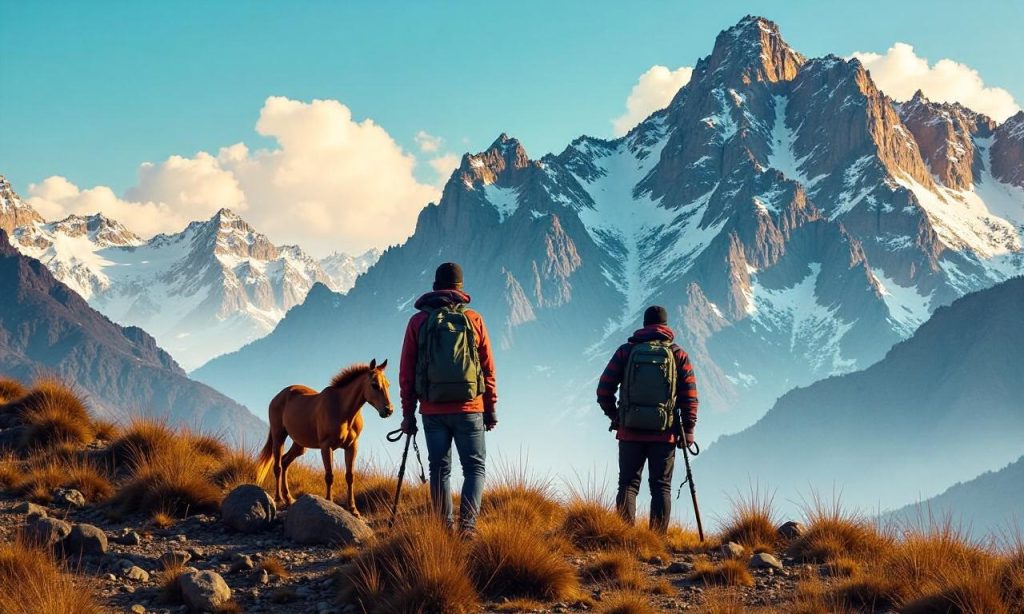
Doug Allan, a celebrated wildlife filmmaker and visual artist, has passed away at the age of 74 while exploring the mountainous terrain of Nepal. Known for his work on iconic BBC productions such as The Blue Planet, Blue Planet II, Planet Earth, and Frozen Planet, Allan’s career was deeply intertwined with the storytelling of Sir David Attenborough. His contributions to natural history filmmaking earned him eight Emmy Awards and an OBE in 2024 for advancing environmental awareness through broadcast media.
Legacy and Impact
His management company, Jo Sarsby Management, described his passing as occurring “while fully engaged in the natural world, surrounded by companions.” The statement highlighted his role as a “true pioneer of wildlife filmmaking” who captured “some of the most breathtaking and intimate images” of Earth’s ecosystems. They noted his work “brought audiences closer to the wonders of our planet, inspiring awe, understanding, and deep respect for it.” A heartfelt tribute added: “Doug leaves behind a visual legacy that few could ever match. His kindness and talent will be deeply missed by his family, friends, colleagues, and global admirers.”
“When we think of Doug, we will always remember his unforgettable kindness and his extraordinary talent. He was a true gentleman and he will be profoundly missed.”
Early Life and Career Beginnings
Born in 1951 in Dunfermline, Fife, Allan’s passion for underwater exploration began after watching Jacques Cousteau’s 1956 documentary, The Silent World, which pioneered immersive aquatic cinematography. After earning a marine biology degree from the University of Stirling, he worked in diving roles before joining the British Antarctic Survey as a research diver stationed at Signy Island in the South Orkney Islands. His efforts in extreme environments earned him the Polar Medal, an honor he received twice.
Personal Encounters with Wildlife
During his career, Allan faced remarkable close calls with nature. In 2017, he told BBC Scotland that he had dedicated over 620 days to documenting polar bears. “He recounted an incident where a polar bear approached him, causing him to momentarily think a person was mopping the window with a squeegee. When he turned, he found the bear’s damp nose pressed against the glass,” the account detailed. Another memorable moment occurred while filming underwater, where a hungry walrus mistook him for a seal and seized his legs. He managed to scare it off by striking it with his camera.
“While filming underwater, a starving walrus confused him for a seal and grabbed his legs. He startled it by striking it with his camera.”
Environmental Advocacy
Later in his life, Allan shifted focus to environmental campaigns, advocating for stronger protections against ecological harm. Earlier this year, he encouraged the Scottish government to support an “ecocide” bill targeting companies responsible for significant environmental damage. His achievements also included five Bafta Awards and an honorary fellowship with the Royal Photographic Society, with Bafta Scotland recognizing his work with the Outstanding Contribution to Craft prize in 2017.
