‘Endless fears’: Even if fighting stops, the damage to Iran’s children will endure

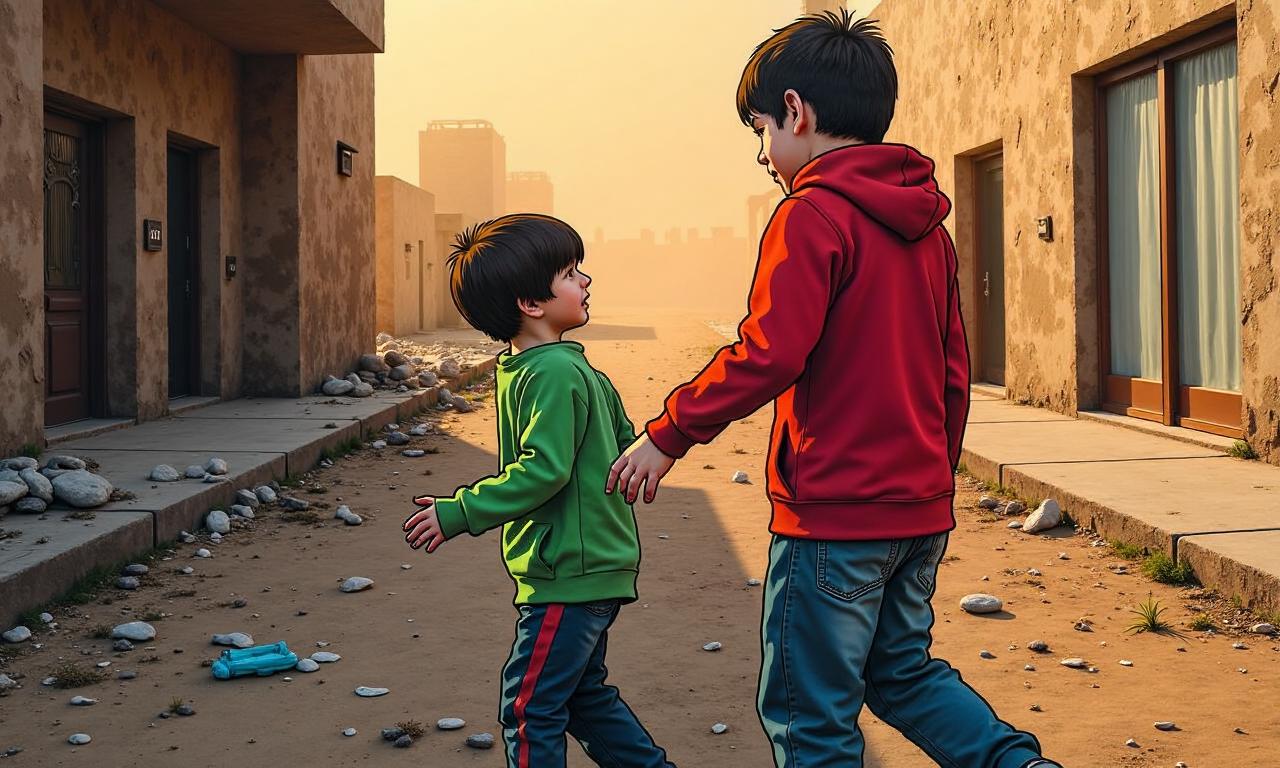
‘Endless fears’: Even if fighting stops, the damage to Iran’s children will endure
The war haunts his mind constantly. A slamming door or dropped cutlery can trigger a sudden jolt. Ali, a 15-year-old whose name has been withheld, says the ceasefire hasn’t eased this. “Before the conflict, I never felt stress,” he recalls. “Now, even minor sounds send my brain into overdrive.” He understands how the echoes of US and Israeli airstrikes have embedded themselves in his psyche, causing an involuntary startle reflex to loud noises.
Over 20% of Iran’s population is under 14, amounting to roughly 20.4 million children. What Ali and others experience is recognized by psychologists as “hyper arousal,” a potential early sign of post-traumatic stress disorder (PTSD). He observes his parents’ reactions, seeking the comfort of normalcy but finding it elusive. His father lost his job due to the war, while his mother remains in a state of constant unease. “She’s always anxious,” Ali explains. “Whenever fighter jets pass, she shows clear signs of fear. I’m afraid too—without friends, I can’t focus on studying or preparing for the future. I shouldn’t be living with endless worries about bombs and politics.”
Shrinking World
The children’s world has contracted significantly. With schools closed and streets patrolled by militia groups, families are confined to their homes. There’s little to do but wait for the ceasefire to last. Across the region—spanning Iran, Israel, the Gulf, and Lebanon—the war has instilled a pervasive sense of dread among the young.
Through trusted local contacts, the BBC has gathered accounts from parents and caregivers addressing war-related trauma. At a Tehran-based human rights center, Aysha—also using a pseudonym—guides a mother over the phone. “Try the techniques I suggested to calm him,” she advises. “If you can’t improve his mood, bring him here.” Aysha notes the center sees frequent visits and calls from anxious families. “We witness sleeplessness, nightmares, lack of focus, and even aggression. Raising a child is hard enough, but watching them become victims—whether in protests or war—makes it unbearable.”
Recruitment of Youth
The Iranian regime has actively mobilized children for combat roles. Under security laws, minors under 15 are permitted to join the Basij volunteer militia, a core part of state enforcement. A regime official urged parents in a broadcast to “take your children by the hand and step into the streets.” He framed the conflict as a test of masculinity for boys, claiming “mothers and fathers, send your children to the checkpoints at night. These children will become men.”
For 11-year-old Alireza Jafari, the call to arms proved fatal. He was killed by a drone strike in Tehran while assisting his father at a checkpoint on 29 March. His mother, Sadaf Monfared, told a local newspaper that the boy expressed a desire to “become a martyr.” Amnesty International condemns the recruitment of children as a “grave violation of international humanitarian law,” equating it to a war crime. Iran’s legal framework allows enlistment of under-15s, contradicting global standards.