Butterfly numbers are dropping but here are five species you may see more of

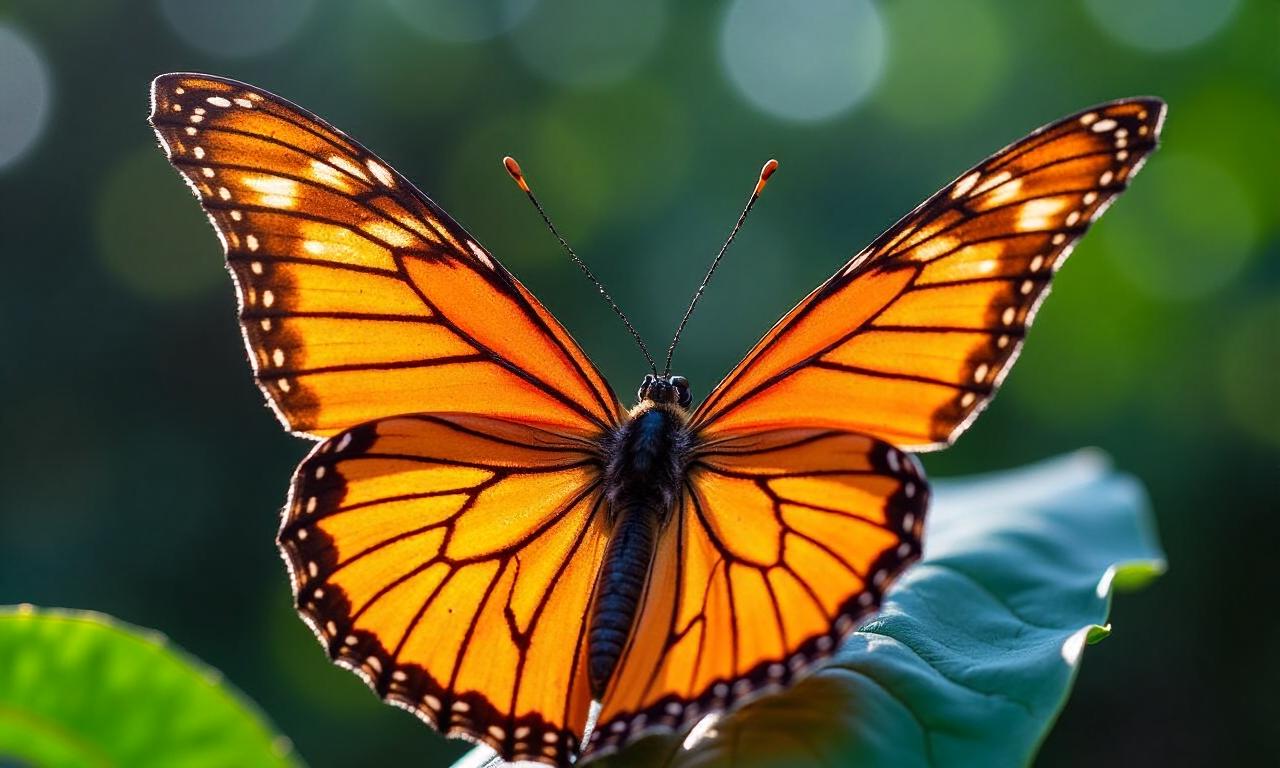
Butterfly numbers are dropping but here are five species you may see more of
Over the past 50 years, milder and sunnier conditions—partly due to climate change—have enabled certain British butterfly species to thrive, according to the UK Butterfly Monitoring Scheme (UKBMS). However, the broader trend presents a more concerning scenario. Long-term data reveals that many of the UK’s iconic butterflies are experiencing significant declines, signaling a shift in the country’s insect populations.
The UKBMS, one of the largest citizen science initiatives of its kind, has amassed over 44 million records from 782,000 volunteer observations since 1976. This extensive dataset tracks 59 native species, with 33 showing decreases, 25 showing improvements, and one high-altitude species remaining unclear due to limited data. Among the species gaining ground, the Red admiral has become more common, with some individuals now overwintering in the UK as temperatures rise. Comma butterflies, noted for their frayed wing patterns, have also rebounded in recent decades.
Orange tip populations have grown by more than 40% since the 1970s, while the Black hairstreak—a rarity in the UK—has begun to recover thanks to targeted conservation measures. The Large Blue, once thought extinct in 1979, is another success story, having been reintroduced through dedicated habitat restoration. These positive trends highlight a divergence between adaptable species and those reliant on specialized environments.
Prof Jane Hill, a butterfly specialist at the University of York, calls the dataset “extraordinary,” underscoring its value as a benchmark for global wildlife research. She notes that butterflies, being cold-blooded, benefit from warmer conditions. “Many British butterflies reach their northern limits in the UK, so they have potential to spread further into Scotland and northern England,” she explains.
“The data timeline allows us to see where conservation efforts are working and where we need to focus more,” said Steve Wilkinson, director of the Joint Nature Conservation Committee. “Without this evidence, we’d be flying blind.”
Meanwhile, butterflies dependent on specific habitats—like woodland glades or chalk meadows—are struggling. As these areas shrink due to land-use changes, species such as the white-letter hairstreak, whose caterpillars emit a glow under UV light, have plummeted by 80%. The pearl-bordered fritillary, which feeds exclusively on violets, has also seen a 70% drop. Even adaptable species face challenges, as seen with the small tortoiseshell, which has declined by 87%.
Prof Richard Fox, lead scientist at Butterfly Conservation, emphasizes the loss of diversity in butterfly populations. “We’ve lost the variety that once thrived in our fragmented landscapes,” he said. “Just as traditional skills and local shops have disappeared, so too have the rich ecological communities butterflies once inhabited.”
Conservation work now prioritizes preserving and expanding habitats, especially in response to agricultural intensification and environmental damage. Some species, like the Duke of Burgundy, depend entirely on primroses and cowslips, making their survival tied to the health of specific plants. This dependency complicates recovery efforts, as seen in the UKBMS’s focus on creating diverse ecosystems, such as the Magdalen Hill Downs reserve, to support a range of butterfly needs.