
A timeline of US strikes on boats that have killed at least 195
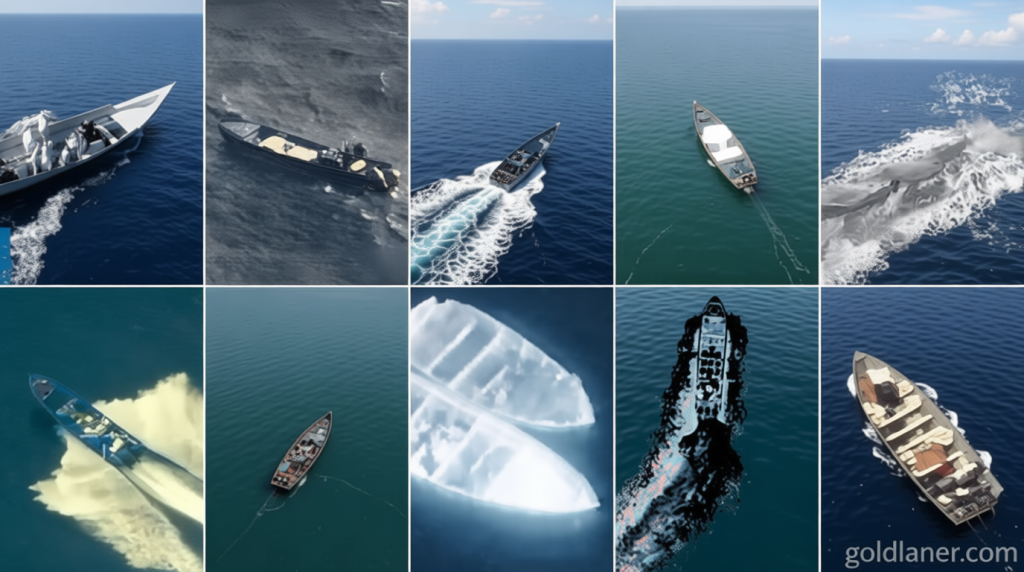
A Timeline of US Strikes on Boats That Have Killed at Least 195
A timeline of US strikes on boats – Since the beginning of the year, the US military has carried out targeted operations in the Caribbean and Pacific regions, resulting in the deaths of at least 195 individuals and the destruction of 61 vessels. These actions, according to official statements and CNN’s review of search and rescue efforts, are part of a broader initiative to disrupt the trafficking of narcotics into the United States. The campaign has sparked debate over its legality and the consequences for those caught in its crossfire.
Recent Strikes and Survivor Accounts
The most recent incident in this sequence occurred on May 27, when a strike reportedly targeted an alleged drug-trafficking boat. The US Coast Guard was subsequently deployed to search for survivors who had abandoned the vessel before the attack. This effort continued until December 30, when a similar strike took place in international waters. Despite the operation, the Coast Guard suspended its search on January 2, citing the absence of any further sightings of individuals in the water.
Throughout the campaign, the military has documented at least 18 survivors of the attacks, some of whom were temporarily detained by the US Navy. These detainees were eventually returned to their countries of origin, as confirmed by official reports. However, 11 others are still presumed dead, as search teams failed to locate their bodies in the aftermath of the strikes. The Coast Guard’s efforts to recover survivors have been inconsistent, with searches on October 27, January 23, and February 9 all ending without success.
Strikes and Lethal Actions
Following the strike on April 11, military officials informed the Coast Guard about a single survivor who had managed to escape the vessel. This prompted the activation of the Search and Rescue system, as per the US Coast Guard’s protocol. On May 8, officials notified the Coast Guard of another survivor, while a separate strike on May 26 led to the confirmation of two survivors. These reports highlight the varied outcomes of each operation, with some strikes resulting in casualties and others yielding survivors.
According to the Trump administration, the US has been engaged in an “armed conflict” with drug cartels since its first strike on September 2. The administration labeled the victims of these attacks as “unlawful combatants,” arguing that their status justified the use of lethal force without the need for judicial review. This classification, based on a classified Justice Department finding, has been central to justifying the campaign’s expansion. However, critics have raised concerns about the evidence supporting this claim.
Controversy Over Legal Justification
Some members of Congress and human rights organizations have questioned the administration’s legal rationale, emphasizing that potential drug traffickers should face prosecution rather than being killed in the field. This stance contrasts with the previous policy of interdiction, which often involved capturing suspects for further legal proceedings. The lack of public evidence regarding the presence of narcotics on the boats struck has fueled skepticism, with opponents arguing that the campaign may be overreaching in its targeting.
Despite these concerns, military officials have maintained that no US service members were harmed during the strikes. The emphasis on minimizing casualties among US personnel has been a consistent theme in the administration’s communications. However, the focus on eliminating drug traffickers has raised questions about the balance between security and civilian safety.
Historical Context and Ongoing Efforts
The campaign to intercept drug vessels has evolved significantly since the Trump administration took office. Prior to this, interdiction efforts were typically more measured, prioritizing the capture of suspects over immediate lethal action. The shift toward using strikes as a primary method of disrupting drug trafficking reflects a broader strategy aimed at addressing the crisis with greater speed and force.
While the Coast Guard has played a critical role in locating survivors, its efforts have been limited by the scale of the operations. For instance, after the strike on December 30, the service was able to confirm the existence of survivors but could not pinpoint their exact locations. Similarly, the strikes on October 27 and January 23 left no trace of individuals, raising doubts about the effectiveness of search-and-rescue missions in these cases. The suspension of searches has also been attributed to the difficulty of operating in remote international waters.
As the campaign progresses, the administration has continued to frame its actions as necessary to combat the drug trade. However, the absence of clear evidence linking the boats to drug cartels has led to calls for transparency. Critics argue that without proof of narcotics or cartel ties, the strikes may be seen as preemptive measures rather than targeted responses. This has intensified scrutiny over the legal framework underpinning the operations.
Impact and Public Perception
The cumulative effect of these strikes has been significant, with the loss of 195 lives and the dismantling of 61 vessels. While the military asserts that the campaign is effective in curbing drug flow, the human cost has sparked discussions about the proportionality of the actions. Survivors, including those briefly detained by the Navy, have provided firsthand accounts of the attacks, which could be crucial in shaping public and international opinion.
As the story continues to unfold, updates from the Coast Guard and military officials are expected to shed more light on the details of each operation. The campaign remains a focal point of political discourse, with its legal and ethical implications drawing attention from both supporters and detractors. The ongoing efforts to locate survivors and confirm the presence of narcotics on the targeted boats will be essential in evaluating the success and justification of these actions.
Ultimately, the timeline of strikes underscores the US military’s proactive approach to drug trafficking. However, the lack of clear evidence and the use of lethal force without judicial review have left room for debate. As the campaign advances, the need for transparency and accountability will remain central to its acceptance or rejection by the public and international community.
