
Why people should be vigilant about food safety this July Fourth
Why people should be vigilant about food safety this July Fourth
Why people should be vigilant about – As the nation braces for scorching temperatures this July Fourth, the risk of foodborne illness rises with the heat. With record-breaking heatwaves gripping much of the United States and global regions, staying hydrated and mindful of food safety becomes critical. Dr. Leana Wen, a CNN wellness expert and former health commissioner of Baltimore, emphasizes the importance of safeguarding meals during outdoor celebrations. From grilled burgers to fresh potato salads, the summer heat poses unique challenges that require careful handling to avoid illness.
Key food safety guidelines for summer gatherings
Dr. Wen highlights that high temperatures can accelerate bacterial growth, making food safety practices more vital than ever. Perishable items like meat, dairy, and produce must be protected from heat exposure to prevent spoilage. The Centers for Disease Control and Prevention (CDC) reports over 9 million foodborne illness cases each year, often linked to contamination from bacteria, viruses, or parasites. While most cases are mild, they can lead to discomfort, including nausea, vomiting, and stomach cramps. In severe cases, individuals with weakened immune systems or young children may require medical attention.
“Under normal conditions, perishable food can sit out for up to two hours, but this window shrinks to just one hour when temperatures exceed 90 degrees Fahrenheit,” Dr. Wen explains. “This is especially true for cooked meats and salads, which are prime targets for bacteria like E. coli and Salmonella.”
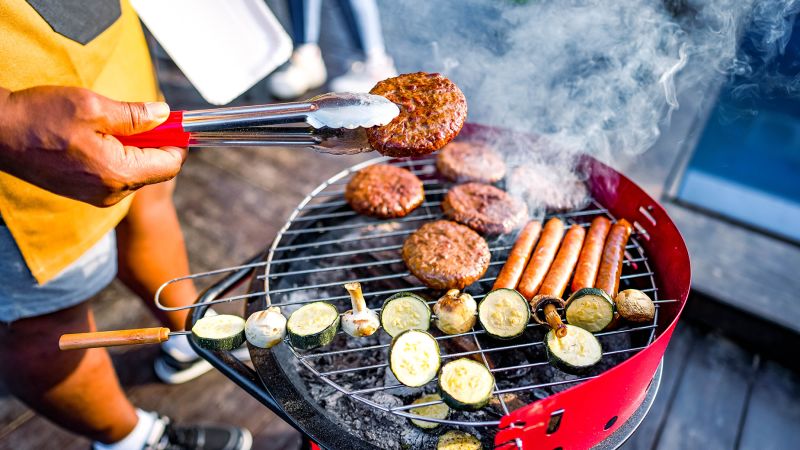
For those hosting barbecues, the focus should be on thorough cooking and proper storage. Using an internal thermometer is essential to ensure meats reach safe temperatures. Chicken, for instance, should be cooked to at least 165°F, while ground beef requires 160°F. Once cooked, food should be kept at 140°F or warmer until served. Raw meat should be refrigerated until ready to cook, ideally removed from the fridge just before placing it on the grill to minimize exposure to room temperature.
Managing food in outdoor settings
When picnics or gatherings occur in locations without refrigeration, such as parks, portable coolers become indispensable. Dr. Wen advises using well-insulated coolers with ample ice to maintain a temperature of 40°F or below for raw ingredients. “It’s also wise to store uncooked meat in sealed bags,” she says. “This prevents cross-contamination with other foods like vegetables or fruit.”
“Separating utensils and plates for raw meat from those used for cooked items is another key step,” Dr. Wen adds. “Labeling them clearly helps avoid mistakes and ensures hygiene standards are met, especially when handling multiple dishes.”
Handwashing remains a fundamental practice. After handling raw meat, individuals should thoroughly clean their hands with soap and water before touching other foods or surfaces. This simple habit can significantly reduce the spread of pathogens, particularly when transitioning from raw to cooked items like salads or bread.
Additional health considerations during the heat
While food safety is paramount, the summer heat also demands attention to overall hydration and comfort. Dr. Wen recommends staying cool by using fans, wearing loose clothing, and limiting outdoor activities during peak sun hours. “Dehydration can worsen the effects of foodborne illness,” she notes, “so ensuring adequate fluid intake is a proactive measure.”
For pets, the heatwave presents its own risks. Dogs and cats are susceptible to heatstroke, so owners should provide shade, fresh water, and avoid overexertion during high-temperature periods. Cooling mats, frozen toys, and air-conditioned spaces can help maintain their body temperature.
“Last year’s avian flu outbreak raised concerns about poultry consumption, but federal health authorities confirm it’s still safe to eat chicken and eggs as long as they’re cooked to recommended temperatures,” Dr. Wen states. “Milk remains a safe beverage, though it’s important to ensure it’s pasteurized and stored properly.”
Dr. Wen also addresses the broader implications of high temperatures on food safety. She explains that bacteria such as Listeria and Staphylococcus aureus thrive in warm environments, making it crucial to refrigerate items promptly. “Even if food looks and smells fine, it can still harbor harmful microorganisms,” she warns. “The longer it sits in the heat, the greater the risk.”
Preparing for the holiday with practical steps
Home cooks and event organizers can take several steps to minimize risks. First, plan meals in advance to reduce time food spends in the heat. Second, use ice packs or gel coolers to maintain temperatures during transport. Third, cook in shaded areas or early in the day to avoid heat-related delays. Lastly, keep a supply of hand sanitizers and wipes for cleaning surfaces and tools.
Dr. Wen also suggests being mindful of the timing of food preparation. “If you’re grilling for a large group, consider portioning food ahead of time and keeping it refrigerated until the last moment,” she advises. “This ensures freshness and reduces the chance of bacterial growth.” For those without access to refrigeration, a portable cooler with ice can serve as a temporary solution, but it must be monitored regularly to maintain the required temperature.
By integrating these precautions, families can enjoy their summer festivities without compromising health. Whether it’s grilling, picnicking, or simply preparing a meal in the heat, vigilance and preparation are the cornerstones of food safety. As the temperatures climb, taking small but effective steps can make a significant difference in preventing illness and ensuring a pleasant holiday experience.
With the Fourth of July approaching, the combination of heat and food preparation creates an ideal environment for bacteria to multiply. Dr. Wen encourages everyone to stay informed about food safety guidelines and adapt their practices to the conditions. “The goal is to balance enjoyment with responsibility,” she says. “A little extra care can go a long way in keeping everyone healthy and happy this summer.”
