
What to know about cyclospora, the gut-churning parasite causing illness in several states, and how to avoid it
Understanding Cyclosporiasis: A Persistent Parasitic Infection
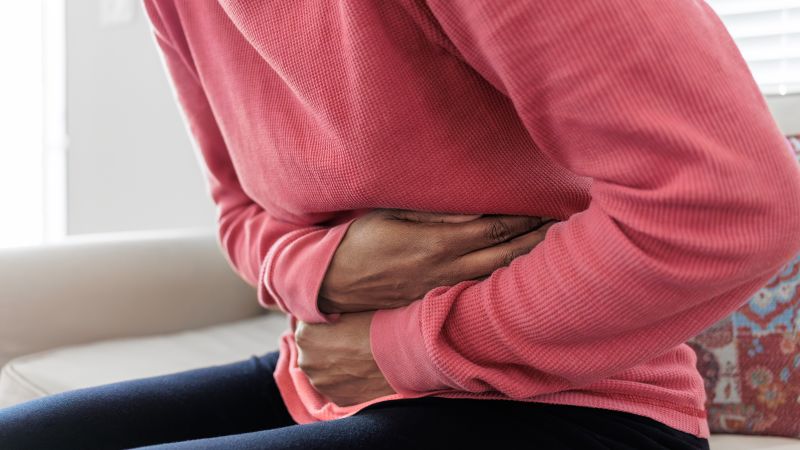
What to know about cyclospora the gut – Cyclosporiasis is a gastrointestinal illness that can leave individuals grappling with severe, prolonged symptoms such as diarrhea, cramping, and bloating. Unlike typical viral infections that resolve within days, this condition often lingers for weeks, causing significant discomfort. The parasite *Cyclospora cayetanensis* is the culprit, and recent reports from multiple states suggest an unusual surge in cases, prompting public health officials to investigate potential common sources of contamination.
Rising Cases in Summer Months
Health authorities have noted a spike in cyclosporiasis cases across the United States, particularly in regions where summer is in full swing. Michigan, which usually records around 50 cases annually, has reported a staggering 681 since June 22, indicating a widespread outbreak. Neighboring states like Ohio and New York are also experiencing higher-than-expected numbers, with Ohio noting 177 cases this year, 171 of which were logged in June alone. New York, excluding the city, has seen 112 cases, 107 of them traced back to May 1. While these outbreaks may share a common origin, the exact cause remains under scrutiny.
How the Parasite Spreads
Cyclospora is transmitted through the ingestion of contaminated food or water, often linked to raw produce or recreational water sources. The parasite’s life cycle begins when oocysts—egg-like structures—enter the human body, typically via undercooked fruits or vegetables that have not been adequately cleaned. These oocysts are resilient and can survive in the environment for extended periods, making them a persistent threat. Michigan’s outbreak, for example, is believed to stem from a shared source, such as a local water supply or agricultural practices, though specifics are still being uncovered.
Raw produce, especially items like berries, leafy greens, and fresh herbs, is a frequent vector. These foods are difficult to fully decontaminate, which explains their role in many outbreaks. Additionally, swimming in contaminated water—such as lakes, water parks, or splash pads—can lead to infection, as the parasite thrives in warm, moist environments. This dual transmission pathway complicates containment efforts, requiring vigilance in both food safety and water hygiene.
Tracking Outbreaks: A Unique Challenge
Unlike bacteria like *E. coli* or *Salmonella*, which can be traced through genetic sequencing, Cyclospora poses a distinct challenge for epidemiologists. Dr. Max Teplitski, former chief of the USDA’s Food Safety Division and current science officer for the International Fresh Produce Association, highlights this issue. “Cyclospora is a weird one,” he explains, noting that the parasite’s genetic variability makes it harder to pinpoint outbreaks.
“Cyclospora doesn’t work that way. Because these parasites have sex and swap pieces of their DNA to reproduce, their offspring share genes from their male and female parts, which means their genes look very different from one generation to the next, making the family tree nearly impossible to follow.”
This genetic fluidity complicates the use of molecular testing, a tool that has revolutionized tracking for other pathogens. With *E. coli* or *Salmonella*, scientists can compare DNA fingerprints across cases to identify a common source. But Cyclospora’s ability to recombine its genetic material means each outbreak may have a unique fingerprint, requiring more traditional methods of investigation.
The Role of Epidemiological Work
Without advanced genetic sequencing, public health teams rely heavily on “shoe-leather detective work” to uncover the source of Cyclospora outbreaks. This involves meticulous interviews with affected individuals to reconstruct their dietary habits and potential exposures. Epidemiologists ask detailed questions about meals consumed, travel history, and activities like swimming, often cross-referencing this data with grocery receipts and credit card records to identify patterns.
Teplitski emphasizes that this approach is labor-intensive. “People aren’t great at remembering everything they might have had for breakfast a week ago,” he says, underscoring the need for additional tools. However, the process is not limited to food. He suggests that investigators should also consider water sources, such as recreational lakes or well water, which can serve as reservoirs for the parasite. “All of these are multiple sources of the same parasites,” he notes, highlighting the complexity of the task.
Global Perspective and Prevention Strategies
Cyclosporiasis has been a recurring concern since the mid-1990s, with outbreaks documented in the U.S. and other countries. The parasite’s lifecycle, which includes asexual reproduction and genetic recombination, contributes to its adaptability and persistence. Once ingested, the oocysts undergo a transformation in the intestines, differentiating into male and female forms that then reproduce sexually. This process, akin to a scene from a sci-fi thriller, results in the release of new oocysts that can spread the infection further.
Prevention hinges on reducing exposure to contaminated food and water. Key strategies include thorough washing of fruits and vegetables, especially those with high surface areas like leafy greens or berries, and avoiding consumption of untreated water in areas with potential contamination. Public health campaigns often focus on educating consumers about these risks, while regulatory agencies work to enforce stricter food safety standards. However, the parasite’s ability to thrive in diverse environments means vigilance is essential year-round.
Current Investigations and Future Outlook
As of now, investigations into the Michigan and Ohio outbreaks are ongoing, with teams exploring both food and water sources. Teplitski, who recently co-chaired an FDA advisory committee on Cyclospora, acknowledges the difficulty of tracing these outbreaks but remains optimistic about new detection methods. “We certainly hope that they go back and ask their patients, ‘What about recreational activities? What about other types of exposure to well water?’” he says, stressing the importance of comprehensive data collection.
While the exact cause of the recent uptick remains unclear, experts warn that climate change and increased global travel may play a role. Warmer temperatures could enhance the parasite’s survival in water sources, and imported foods might introduce new contamination risks. Continued collaboration between health departments, laboratories, and the food industry will be critical to mitigating future outbreaks. For now, the focus is on identifying shared exposures and implementing targeted interventions to protect public health.
