
An outbreak of diarrhea caused by a parasite has hit at least 1,400 people. Here’s how to stay safe
Summer Illness: Parasite Outbreak Spreads Across Multiple States
An outbreak of diarrhea caused by – Fresh berries and crisp salads are summer staples, but this season brings an unwelcome complication. An outbreak of diarrhea caused by the cyclospora parasite has now infected at least 1,400 individuals across several U.S. states. Michigan remains the epicenter with more than 1,200 confirmed cases, while Ohio reports approximately 200 infections. Additional cases have emerged in New York, Illinois, Indiana, North Carolina, and Texas. Medical professionals have hospitalized over 40 patients as the situation continues to develop.
Understanding the Symptoms and Timeline
The illness manifests through watery diarrhea, abdominal cramping, bloating, and dehydration. Unlike typical stomach bugs, cyclospora infections can persist for weeks or even months, often following a relapsing pattern. Dr. Caitlin Rivers from Johns Hopkins University explains the difference: “While norovirus typically resolves within a few days, cyclospora can linger much longer and may come and go over time.” This extended duration makes proper identification crucial for affected individuals.
Notably, the parasite does not spread directly from person to person. Instead, transmission occurs through consuming contaminated food or beverages. The tricky aspect is that exposure can happen several weeks before symptoms appear, making it difficult to pinpoint the exact source. The organism also demonstrates remarkable resistance to standard disinfectants, surviving both bleach and chlorine treatments commonly used in water purification.
Prevention Strategies and Food Safety
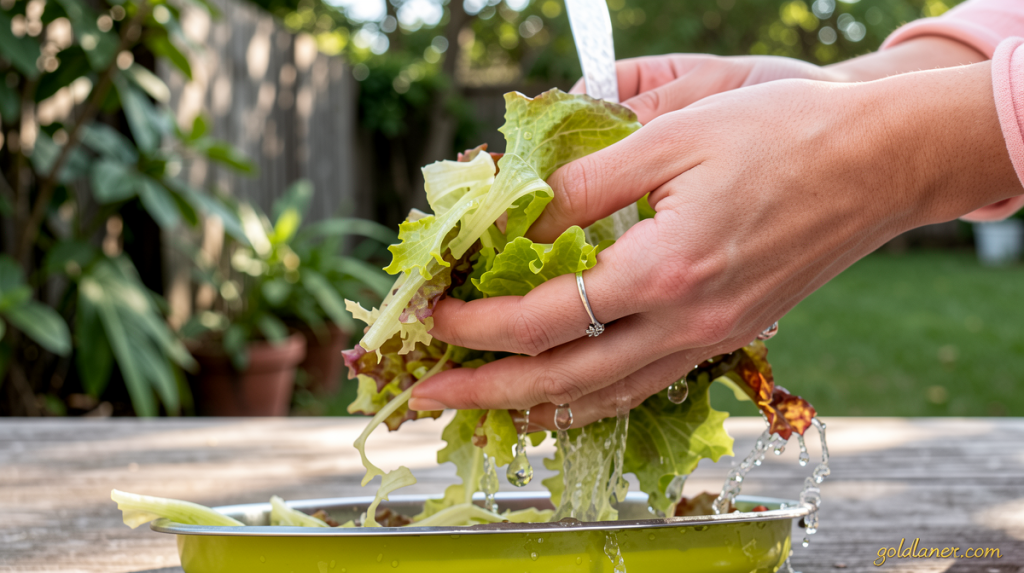
Health experts recommend several protective measures to reduce infection risk. Cooking food to at least 158 degrees Fahrenheit effectively kills the parasite. For fresh produce, thorough washing is essential. Dr. Rebecca Schein from Michigan State University advises submerging salad greens in water and swishing them for a minimum of one minute. A vinegar solution with a one-to-three ratio can provide additional protection, though it is not foolproof since the parasite can adhere stubbornly to surfaces.
Additional precautions include discarding the outermost lettuce leaves and scrubbing firm fruits and vegetables under running water. Certain populations face higher risks, particularly elderly individuals and those with compromised immune systems. These groups should be especially cautious with foods that are difficult to wash thoroughly or often overlooked during cleaning routines.
When to Seek Medical Attention
Individuals experiencing persistent digestive issues should consult a healthcare provider if diarrhea continues beyond 48 hours. Standard diagnostic tests may not detect cyclospora, requiring special laboratory requests. Because the parasite sheds intermittently, doctors may recommend multiple samples collected over a 24-hour period for accurate results. Treatment typically involves a seven to ten day course of sulfamethoxazole-trimethoprim, commonly known as Bactrim.
As summer activities continue, staying informed about food safety practices becomes increasingly important. The combination of proper cooking temperatures, thorough washing techniques, and awareness of potential symptoms can help minimize the impact of this ongoing health concern. Public health officials continue monitoring the situation and will provide updates as new information becomes available.
