
Ariana Grande tells White House to stop using her music
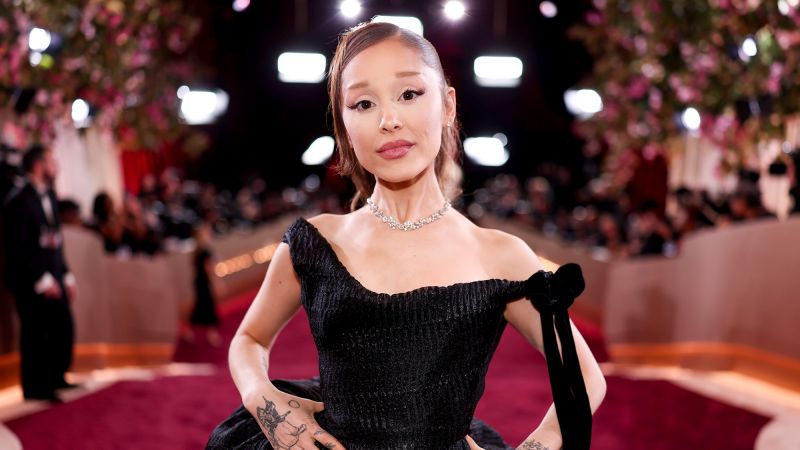
Ariana Grande Tells White House to Stop Using Her Music
Ariana Grande tells White House to stop – In a recent statement, pop sensation Ariana Grande took issue with the White House’s decision to feature her 2024 hit “Bye” in a promotional video highlighting the administration’s immigration policies. The 14-second clip, which was shared on TikTok earlier this week, shows federal officers—specifically, Immigration and Customs Enforcement (ICE) agents—handcuffing and detaining individuals. According to BBC reports, the video’s audio track includes Grande’s track, which has since been removed from the platform. The clip is captioned: “Bye-bye 👋 President Trump has delivered the most secure border in history.”
Grande’s Sharp Response to the Video
On Thursday, Grande publicly criticized the use of her music in the video, posting a message on TikTok that read: “Please do not use my music in relation to this barbaric, inhumane, heinous nonsense.” Her comment, however, appears to have been swiftly taken down, possibly as part of the White House’s effort to minimize public backlash. The incident has reignited discussions about the role of popular artists in political messaging and the use of their work to shape public perception of immigration enforcement.
“Please do not use my music in relation to this barbaric, inhumane, heinous nonsense.” — Ariana Grande
The White House responded to Grande’s critique on Friday, with spokesperson Abigail Jackson issuing a statement: “We’ll say this one last time: what’s actually barbaric, inhumane, and heinous are the criminal illegal aliens who have injured and murdered innocent American citizens.” This rebuttal underscores the administration’s stance that the video’s content is justified, even as it faces criticism from the music industry.
A Political Statement in Music
Grande’s reaction is not the first time she has engaged with political issues through her art. The “Wicked” singer has previously expressed her views on immigration, notably by wearing an “ICE OUT” pin at the Golden Globes in January. This gesture was widely interpreted as a symbolic protest against the agency’s policies, highlighting her alignment with advocacy groups critical of immigration enforcement. Her use of music as a platform for political expression has become a recurring theme, with fans and critics alike noting her willingness to take a stand.
The White House’s choice to incorporate Grande’s song into the video raises questions about the intent behind its use. While the administration claims the track enhances the video’s message, critics argue that it serves as a strategic move to lend credibility to a controversial policy. “Bye” is a upbeat, melodic song that originally appeared in Grande’s 2024 album, positions. Its lyrics, which include lines like “Hey, hey, goodbye,” are often interpreted as a celebration of freedom and movement, making its inclusion in a video about border security seem at odds with its meaning.
A Pattern of Musical Criticism
Grande’s recent criticism mirrors a broader trend of musicians opposing the use of their work in political campaigns. President Donald Trump has long been known for leveraging popular songs to support his agenda, a practice that has drawn ire from artists such as ABBA, Adele, and John Fogerty. For instance, in 2019, ABBA demanded that the Trump campaign cease using their iconic track “Dancing Queen” during rallies, citing concerns about the song’s association with the administration’s policies. Similarly, Adele once criticized the use of her music in a campaign ad, calling it “a misrepresentation of her work.”
“We’ll say this one last time: what’s actually barbaric, inhumane, and heinous are the criminal illegal aliens who have injured and murdered innocent American citizens.” — Abigail Jackson, White House spokesperson
The White House’s use of music in political messaging has also been highlighted in other instances. In 2022, a video posted to the White House and Department of Homeland Security Instagram accounts encouraged people to “LEAVE NOW and self-deport,” with the audio featuring Olivia Rodrigo’s song “All-American Bitch.” Rodrigo reportedly responded by commenting on the post: “Don’t ever use my songs to promote your racist, hateful propaganda.” Her message was later deleted, and the sound was removed from the video, much like Grande’s criticism.
These incidents suggest a pattern in which the administration’s promotional efforts often clash with the artistic intent of the music used. While the White House defends its choices as a means of connecting with the public, critics argue that such use can distort the original message of the songs. Grande’s case is particularly notable because her music has become a cultural touchstone, with fans and media frequently analyzing its themes and emotional resonance. The administration’s decision to pair her track with a video about immigration enforcement has sparked debates about the commercialization of political messaging.
Context and Broader Implications
The video in question is part of a larger campaign to promote the administration’s immigration policies, which have been a focal point of political discourse. The 14-second clip, while brief, is designed to convey a powerful visual message: the swift and decisive action of federal officers in securing the border. By using “Bye,” the White House may hope to evoke a sense of nostalgia or familiarity, making the policy more relatable to viewers. However, the song’s upbeat tone contrasts sharply with the video’s portrayal of immigration enforcement, creating a jarring juxtaposition.
Grande’s public stance adds a layer of complexity to the issue. As a prominent figure in the entertainment industry, her criticism not only reflects her personal beliefs but also influences her fan base. Many of her supporters have since expressed solidarity with her position, using social media to question the White House’s decision. This reaction highlights the growing influence of artists in shaping political narratives, particularly among younger audiences who often identify with musicians on a personal level.
Meanwhile, the removal of the song’s audio from the video and the deletion of Grande’s comment suggest a coordinated effort to manage the narrative. Such actions are not uncommon in political campaigns, where the goal is to maintain a consistent and favorable message. However, they also raise concerns about the suppression of dissent, even when it comes from a high-profile artist. The White House’s response further emphasizes its commitment to framing the issue in its own terms, dismissing criticisms as misunderstandings or attacks on the policy itself.
As the debate over the use of music in political messaging continues, the case of Ariana Grande and the White House serves as a microcosm of broader tensions between art and politics. While the administration defends its actions as a way to connect with the public, the incident has prompted reflection on the role of artists in political discourse and the ethical implications of repurposing their work for partisan ends. CNN has since reached out to Grande’s representatives for additional comments, seeking clarification on her stance and the White House’s justification for its decision.
The controversy also echoes other instances where artists have stood up to political figures for using their music in ways that conflict with their values. From ABBA’s request to stop playing their songs at Trump rallies to Olivia Rodrigo’s sharp rebuke of a video promoting self-deportation, these moments underscore a growing divide between the entertainment industry and the political establishment. As such, Grande’s critique is not just a personal statement but a reflection of a larger movement where musicians are increasingly vocal about their political views and the impact of their work on public opinion.
Ultimately, the White House’s use of Ariana Grande’s music has sparked a conversation about the intersection of art and politics. While the administration maintains that the song’s inclusion is a strategic choice, the backlash from the artist and her supporters highlights the power of music to evoke emotions and shape perceptions. As the debate unfolds, it remains to be seen whether the White House will continue its approach or adjust its tactics in light of the controversy.
