
Why is premium gas so expensive? More Americans are filling their cars with it
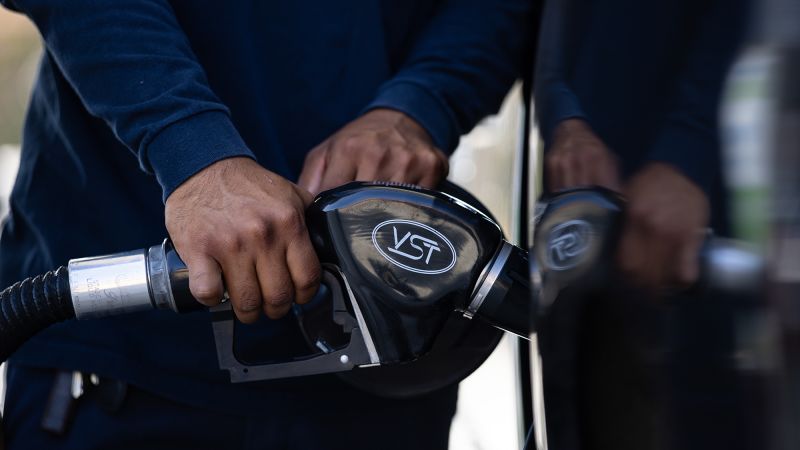
Why Premium Gas Is Expensive: American Drivers Shift to Higher Octane
Why is premium gas so expensive – The rising cost of premium gasoline has sparked curiosity among consumers. Recently, average prices for premium fuel reached over $5.40 per gallon, a figure that has persisted for several weeks. Despite this, more Americans are opting for premium gas, which now costs about a dollar more than regular fuel. This trend reflects a broader shift in consumer behavior, as the demand for high-octane options has grown significantly since the early 2000s. Yet, the question remains: why is premium gas so expensive? Understanding the factors behind this pricing difference is key to grasping the evolving landscape of fuel choices in the U.S.
Rising Demand and Consumer Preferences
Modern vehicles are increasingly designed to require premium gasoline, with many now needing octane levels of 91 or higher. This change has led to a surge in demand for premium fuel, as car manufacturers emphasize performance and efficiency. However, the shift isn’t just about vehicle requirements. Many drivers believe premium gas offers better performance, even for cars that don’t strictly need it. This perception, shaped by decades of marketing, has made premium fuel a symbol of quality and care, driving its popularity despite the higher cost.
The gap between premium and regular fuel prices has widened substantially, now standing at nearly $1 per gallon. While refining costs and federal regulations contribute to this difference, gas stations have played a major role in the price increase. By positioning premium gas as a premium product, retailers have used pricing strategies to boost profits. This approach has made premium fuel a lucrative segment, especially as more consumers prioritize performance over cost.
Refining Costs and Regulatory Impact
Refining costs have steadily increased, affecting the wholesale price of premium gasoline. In the mid-2000s, changes in federal regulations pushed automakers to reduce sulfur emissions, which indirectly influenced octane levels. To meet the demand for higher-performance fuel, refineries began incorporating ethanol, a cleaner-burning additive that raises production expenses. However, these costs have not fully explained the sharp rise in retail prices, which has outpaced the increase in refining expenses by nearly 50 cents over two decades.
“Who do you think is making the money? It’s the service station,” said Andy Lipow, president of Lipow Oil Associates. His insight underscores how gas stations have capitalized on the premium pricing model to maximize their margins. As the market for high-octane fuel expands, these retailers have further increased prices, turning premium gasoline into a key profit driver rather than just a product of necessity.
Marketing and Perceived Value
Marketing campaigns have long reinforced the idea that premium gas is superior. When Ethyl Corp, a joint venture between General Motors and Esso, introduced tetraethyllead (TEL) in 1923, it created a new benchmark for high-performance fuel. This additive improved engine efficiency and prevented knocking, a common issue in older vehicles. Over time, the term “premium” became associated with quality, even as all gasoline grades eventually included TEL. Automakers further solidified this image in the 1950s by linking premium fuel to luxury models with high-compression engines.
By the 1980s and 1990s, the narrative evolved to include benefits like cleaning carbon deposits in fuel-injected systems. Refineries began promoting premium fuel as a solution to engine maintenance, using detergents to justify the higher cost. The EPA’s 1996 mandate for detergent additives deepened this perception, giving rise to the “Top Tier” branding that differentiates premium grades from standard ones. This branding has kept the premium gas label prominent in consumer minds, even as the cost continues to rise.
“The consumer likes to put premium gas in their car because they think it gives them better performance,” said Lipow. His observation highlights how marketing has shaped fuel choices, creating a cycle where higher prices are accepted as a sign of improved value. As a result, the demand for premium gas remains strong, despite the growing question of why is premium gas so expensive?
