
No Russian ballistic missiles shot down by Ukraine in night of attacks that killed 17
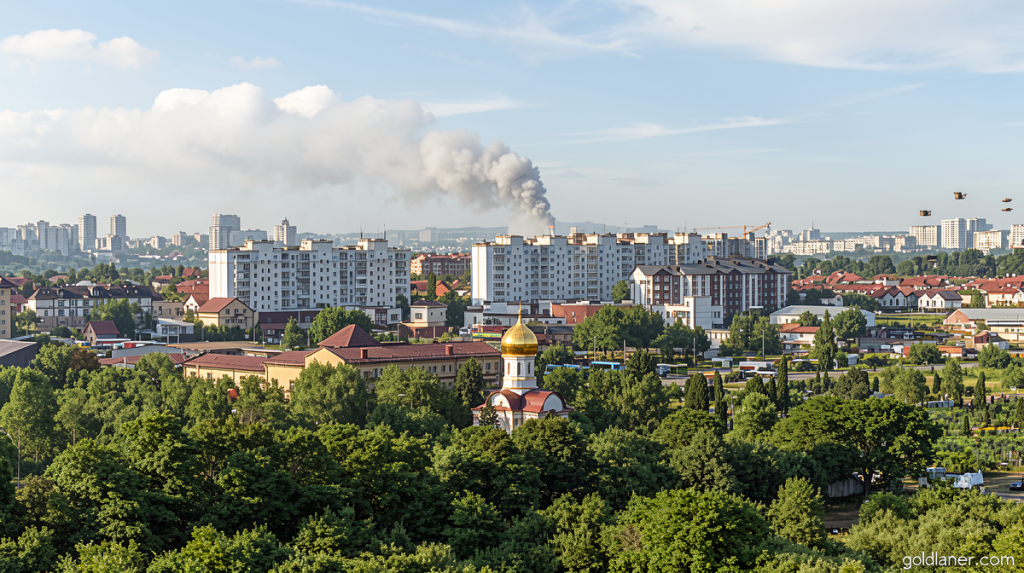
No Russian Ballistic Missiles Shot Down in Kyiv Attack
Goldlaner.com – Kyiv endured one of its most devastating overnight assaults in recent months as Russian forces launched a concentrated barrage of ballistic and anti-ship missiles. The attack claimed at least 17 lives and injured dozens more across the capital and neighboring regions. What made this assault particularly alarming was that no Russian ballistic missiles shot down by Ukrainian air defenses, exposing a critical vulnerability in the nation’s protective shield.
The timing of the barrage appeared deliberate, arriving when Ukraine’s interceptor reserves have reached precarious levels. The assault came shortly after Ukrainian forces coordinated strikes against Wildberries, Russia’s premier e-commerce platform, disrupting commercial operations for millions of ordinary Russians.
Zelensky Calls for Urgent Allied Support
President Volodymyr Zelensky used the tragedy to intensify appeals to Western partners, emphasizing that hesitation in delivering defensive systems carries direct human costs. His message was unambiguous: delays translate into casualties.
It is crucial that our partners realize that delays in their delivery or a reluctance to provide anti-ballistic systems lead precisely to such horrific casualties and destruction.
The president further suggested that nations unwilling to accelerate hardware shipments could demonstrate commitment through alternative means, specifically calling for additional economic pressure on Moscow. Partners who are not ready to help more actively with the supply of interceptors right now can help by imposing new sanctions, he noted in his evening address.
Commercial Infrastructure Bears Heavy Cost
The missile barrage inflicted significant damage on Ukraine’s commercial sector, targeting facilities that serve millions of consumers. Rozetka, the nation’s largest online marketplace, suffered direct hits from three ballistic missiles that struck its warehouse complex. Iryna Chechotkina, co-owner of the platform, captured the emotional toll of the destruction in a personal reflection posted on social media.
Last night I watched as the work of my entire life went up in flames.
Epicentr, a major retail chain often compared to IKEA for its home goods and furniture offerings, reported that Russian missiles devastated its manufacturing infrastructure. The company confirmed that one male employee was killed in the attack and emphasized that decades of accumulated assets were destroyed within minutes.
FOZZY group, another prominent Ukrainian retailer operating extensive supermarket networks, announced that shelling ignited fires at two of its distribution centers. The company confirmed six employees perished in the incident, with additional personnel sustaining injuries.
July Records Deadliest Month Since War Began
The overnight assault contributed to what Russian officials acknowledged as the deadliest month for Ukrainian civilians since April 2022. Throughout July, Russian attacks killed at least 377 civilians and wounded 2,129 others, marking a significant escalation in the human toll of the conflict that has now persisted for more than four years.
The pattern of attacks has increasingly targeted civilian infrastructure rather than military positions, reflecting Moscow’s strategy of applying pressure on Ukrainian society as a whole. Warehouse complexes, logistics hubs, and commercial centers have become frequent targets, disrupting supply chains and economic recovery efforts.
Technical Challenges and Diplomatic Hurdles
Ukraine’s defensive capabilities face mounting pressure from multiple directions. The country relies heavily on US-made Patriot interceptors, which remain the only system capable of neutralizing certain advanced Russian ballistic missiles. However, supply constraints have created gaps in coverage that Russian forces have exploited.
Complicating matters further, US President Donald Trump recently expressed reluctance to permit Ukraine to manufacture its own Patriot interceptors domestically. This position, first articulated on the sidelines of a NATO summit in Turkey, has drawn criticism from Ukrainian officials who argue that local production would accelerate defense capabilities and reduce dependence on foreign deliveries.
The State Emergency Service of Ukraine reported that rescue operations continued under dangerous conditions, with the threat of additional strikes remaining elevated. Rescue workers are continuing to operate under high-risk conditions, as the risk of further enemy strikes persists, the agency stated.
Frequently Asked Questions
How many casualties resulted from the Kyiv missile attack? The overnight assault claimed at least 17 lives and injured dozens more across Kyiv and neighboring regions.
Why were no Russian ballistic missiles shot down during the attack? Ukraine’s interceptor reserves had reached precarious levels, leaving the country increasingly exposed to sustained Russian bombardment and unable to intercept incoming projectiles.
Which commercial facilities were most affected? Major retailers including Rozetka, Epicentr, and FOZZY group suffered significant damage to their warehouses, manufacturing infrastructure, and distribution centers.
What is Ukraine’s main concern regarding defensive systems? Ukraine relies heavily on US-made Patriot interceptors, but supply constraints and political hesitations regarding domestic production have created critical gaps in coverage.
