
Rubio vows to ‘dismantle’ International Criminal Court
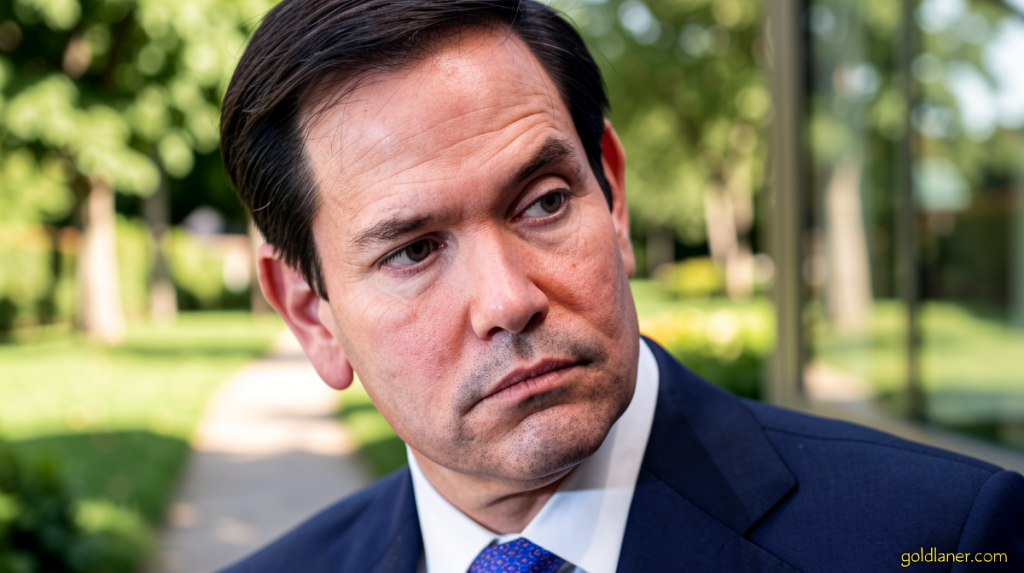
Rubio Pledges to Tear Down International Criminal Court Through Global Diplomatic Push
A Coordinated Campaign Against the Hague Institution
Rubio vows to dismantle International Criminal – United States Secretary of State Marco Rubio announced on Monday that Washington will pursue an aggressive strategy to dismantle the International Criminal Court, calling on allied nations worldwide to participate in this comprehensive effort. The Trump administration’s renewed focus on the global judicial body represents a significant escalation in its longstanding opposition to the institution based in The Hague.
Rubio characterized the court’s actions as an aggressive campaign against American interests, stating that the ICC is “waging a war against our country, not with bullets or missiles,” but rather through “the force of so-called international law.” This framing positions the court not merely as a legal entity but as an adversary in what the administration views as a broader geopolitical struggle.
Historical Roots of American Opposition
The administration’s frustration with the ICC traces back to President Donald Trump’s initial presidency, when the United States first targeted the court for pursuing investigations into alleged war crimes committed by American military personnel during operations in Afghanistan. That early conflict established the foundation for what has now become a more systematic and far-reaching campaign.
During the second Trump administration, Washington has implemented numerous sanctions against ICC officials who have attempted to examine cases involving both the United States and Israel. These measures have intensified considerably under the current State Department initiative, which aims to mobilize international pressure against the court’s authority.
The Whole-of-Government Strategy
According to a State Department official, the administration is employing “all the tools at our government’s disposal” to achieve its objectives. These instruments range from potential travel restrictions and visa cancellations to expanded economic sanctions against court personnel and member nations that continue to recognize the ICC’s jurisdiction.
“Nations that refuse to reject the ICC’s false authority while relying on US assistance are likely to come under increased scrutiny,” a State Department official stated on Monday.
The official further explained that countries “that partner with US law enforcement, host a US military presence, or benefit from the broader US security umbrella are being called upon to reject the ICC’s purported authority to prosecute American officials and servicemen.” This approach targets nations with significant bilateral relationships with Washington.
Diplomatic Isolation Through Direct Engagement
Senior American officials, including the secretary of state, deputy secretary, and ambassadors stationed around the world, are personally contacting foreign counterparts as part of a coordinated effort to diplomatically isolate the International Criminal Court. These communications serve dual purposes: persuading member states to withdraw from the court and securing commitments to halt financial contributions to the institution.
“Using all the tools at our government’s disposal, working beside every ally with whom we can make common cause, we will dismantle the ICC—brick by brick, if necessary,” Rubio wrote in a separate piece in the Wall Street Journal on Monday.
The administration is simultaneously urging non-member nations, such as the United States, to utilize their diplomatic connections to support similar actions. This broader outreach aims to create a global consensus against the court’s legitimacy.
Political Framing and International Criticism
In his Wall Street Journal opinion piece, Rubio portrayed the ICC as an institution “backed and run by a powerful network of leftist nongovernment organizations, smug globalists, and hostile Third World governments united by their enmity toward the U.S.” This characterization attempts to frame the court as politically motivated rather than legally grounded.
Rubio also dismissed criticisms from external organizations regarding American deportation policies to El Salvador and controversial maritime strikes against suspected narco-terrorists. He rejected claims that these actions violated international law, though he acknowledged that such measures could potentially trigger ICC investigations.
Omar Shakir, the executive director of DAWN, told CNN that Rubio mischaracterized DAWN’s “call to investigate all possible war crimes carried out in the war,” adding that it “begs the question: does Secretary Rubio believe US personnel should be investigated for war crimes in Iran?”
Shakir concluded with a historical perspective, noting that “History will judge governments on whether they defended the institutions designed to safeguard international law.” He emphasized that “It is not the ICC that Rubio is dismantling brick by brick—but the rules-based international order that grew out of the ashes of World War II.”
CNN has contacted the International Criminal Court for its response to these developments. The report was updated with additional information from CNN’s Sana Noor Haq.
