
The Nashville Zoo has become an unlikely battleground in America’s data center race
The Nashville Zoo has become an unlikely battleground in America’s data center race
A Unique Conflict in the Data Center Expansion Debate
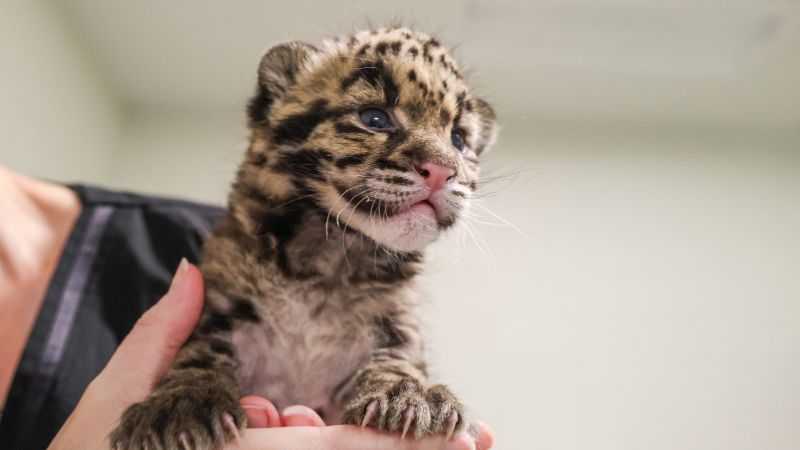
The Nashville Zoo has become an unlikely – At dawn, Dr. Heather Schwartz is already preparing a feeding session for a newborn clouded leopard cub. The tiny feline, no larger than her hands, wiggles with anticipation, its eyes wide as it waits for the milk. As the animal health director at Nashville Zoo, Schwartz dedicates her days to nurturing the cub, ensuring it develops the skills needed to thrive in its future habitat. This meticulous care is part of a broader mission at the zoo to protect endangered species, particularly the clouded leopard, which has faced significant challenges in survival. However, the zoo’s efforts are now facing an unexpected threat: a proposed data center just beyond its enclosures. Officials worry that the constant hum of machinery, combined with artificial lighting and industrial activity, could disrupt the delicate environmental balance required for successful breeding. The clouded leopard exhibit, already a sanctuary for the species, is especially vulnerable due to its proximity to the planned facility. For these cubs, the zoo’s hand-rearing program has been crucial, allowing them to adapt gradually to human presence without the stress of parental neglect.
The Growing Influence of Data Centers in Urban Development
Across the United States, data centers are expanding rapidly to meet the soaring demand for cloud computing and artificial intelligence. These facilities, often located near cities, serve as the backbone of modern technology, processing vast amounts of data and powering digital ecosystems. Yet, their proliferation has sparked growing concerns among communities. Residents are increasingly challenging projects that threaten local ecosystems, citing issues like energy consumption, water usage, and noise pollution. The Nashville Zoo dispute highlights this trend. With over 3,000 animals residing in its care, the zoo has become a focal point for environmental advocates. Its breeding success, particularly with clouded leopards, has made it a critical hub for conservation. Zoo officials argue that the data center’s operations could introduce external stressors that interfere with the animals’ natural behaviors. For instance, the low-frequency vibrations and constant background noise from the facility might disrupt the communication patterns of species like elephants and cassowaries, both of which are part of the zoo’s collection.
A Petition Sparks National Attention
The controversy has escalated, with the zoo launching a petition that has already amassed over 500,000 signatures in just four weeks. The campaign has gained traction beyond local circles, amplified by public figures such as country music artist Brad Paisley, who described the data center project as “an absolute nightmare.” This level of support underscores the public’s growing awareness of the environmental costs associated with tech infrastructure. Nashville Zoo CEO Rick Schwartz emphasized that the situation is unprecedented. “I haven’t seen any other accredited zoo in the country take such a public stance against a data center near its borders,” he said. The zoo’s position reflects a broader debate about how technology development impacts biodiversity. While data centers are essential for innovations like AI, their placement must consider the ecological footprint they leave behind.
Technological Growth vs. Environmental Preservation
DC BLOX, the Atlanta-based company spearheading the data center project, maintains that its design will mitigate environmental concerns. The firm claims the facility will incorporate noise-reducing technology and energy-efficient systems to minimize disruption. However, skeptics argue that even these measures may not fully address the cumulative effects of industrial activity on wildlife. Costa Samaras, director of the Carnegie Mellon University Scott Institute for Energy Innovation, noted that the zoo’s case exemplifies the growing tension between technological progress and conservation efforts. “This is indicative of the type of interactions data centers are now having with communities,” he said. “People are increasingly aware of the broader implications, from power consumption to emissions and water usage.”
The Science Behind the Concerns
Heather Kostick, associate director of the Penn Center for Science, Sustainability, and the Media, explained how data centers can affect animal behavior. “Many species perceive sounds and vibrations differently than humans,” she said. “The low hum of machinery, for example, can be felt by animals and may alter their natural rhythms.” Elephants, known for their sensitivity to vibrations, and cassowaries, which rely on low-frequency calls for communication, could be particularly affected. The zoo’s habitats are designed to mimic natural environments as closely as possible, incorporating enrichment activities and carefully calibrated living conditions. Yet, the addition of a data center could introduce new variables that compromise these efforts. “Zoo animals already live in semi-unnatural settings,” Kostick added. “Keepers work hard to balance the elements of their environment to ensure well-being. A data center’s presence might tip that balance.”
A Broader Implication for Wildlife Conservation
The debate over the Nashville Zoo’s location is not isolated. It is part of a national conversation about how urbanization and technological infrastructure intersect with wildlife preservation. With approximately 4,000 data centers scattered across the U.S., the cumulative impact of these facilities on ecosystems is a growing concern. Rick Schwartz stressed that the clouded leopard’s survival hinges on the zoo’s ability to maintain stable conditions. “The success of our breeding program depends on minimizing external disturbances,” he said. “Even small changes in noise or light levels could have significant consequences.” The data center’s proximity threatens to create a constant backdrop of industrial activity, potentially altering the cubs’ development and reducing their chances of successful integration into the wild.
Expert Insights and Public Reaction
The zoo’s concerns have resonated with environmental experts, who see the issue as a microcosm of larger challenges. “This is a clear example of how data centers are becoming a focal point for community engagement,” Samaras said. “People are now questioning whether the benefits of technology outweigh its ecological costs.” Public reaction has been swift and vocal. The petition, which includes signatures from residents and environmental organizations, has become a symbol of resistance against unchecked industrial expansion. Brad Paisley’s endorsement, in particular, has brought attention to the emotional and symbolic weight of the zoo’s fight. “This isn’t just about noise,” he said. “It’s about preserving a place where animals can live freely, undisturbed by the demands of the digital age.”
The Path Forward for a Sustainable Future
As the dispute unfolds, stakeholders are exploring potential solutions. DC BLOX has committed to implementing measures that reduce noise and light pollution, but the zoo remains cautious. “We need to understand the full scope of these impacts before we accept any compromise,” Schwartz said. The outcome of this battle could set a precedent for how future data center projects are evaluated, balancing the need for technological advancement with the imperative to protect vulnerable species. In the end, the Nashville Zoo’s struggle reflects a larger question: how can society meet the demands of the digital era without sacrificing the natural world? With the clouded leopard’s future hanging in the balance, the answer may depend on the choices made in the coming months. The case has already sparked discussions about the role of zoos in environmental advocacy and the evolving relationship between humans and the ecosystems we rely on. As the data center project moves forward, its success will be measured not just by its technological capabilities, but by its ability to coexist with the wildlife it threatens.
