
Tracking oil prices and US gas prices amid Iran conflict
Tracking Oil Prices and US Gas Prices Amid Iran Conflict
Geopolitical Tensions and Fuel Markets
Tracking oil prices and US gas prices – The recent escalation in the US-Israeli conflict with Iran has led to a notable surge in global oil prices. As tensions flared between the two nations, the price of crude oil saw a significant increase, reflecting heightened concerns over potential disruptions to energy supplies. However, this trend has since begun to reverse following the U.S.-Iran peace agreement announced in June. Analysts suggest that the signing of the plan has eased market anxieties, contributing to a gradual decline in oil prices. Despite this, the situation remains closely monitored, with experts warning that the effects of the conflict may linger in the short term.
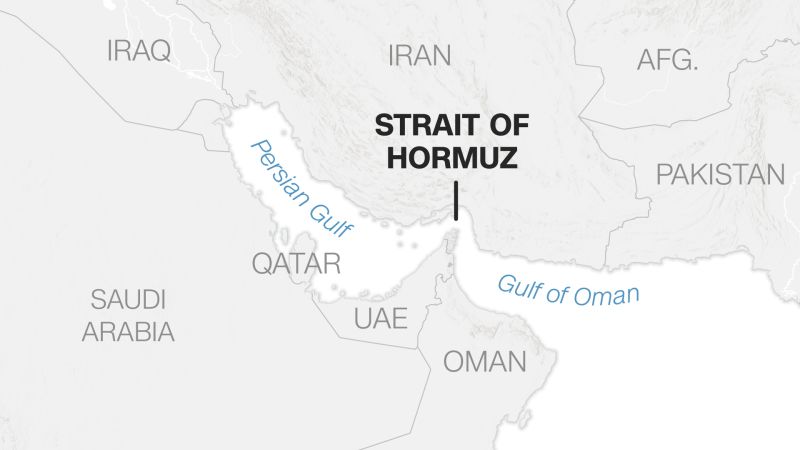
The Strait of Hormuz, a critical maritime passage, plays a pivotal role in the global transportation of crude oil. Approximately 20% of the world’s oil supply transits through this narrow waterway, making it a focal point for energy markets. The ongoing negotiations between the United States and Iran have brought attention to the strategic importance of the strait, as its full reopening is seen as a key factor in stabilizing oil prices. While the initial spike in costs during the conflict has subsided, the question remains whether the peace plan will lead to sustained normalization or if geopolitical tensions could resurface.
Gasoline Prices Reflect Market Adjustments
The U.S. gasoline market has mirrored these shifts, with prices dropping to levels not seen since March 30. According to data from the American Automobile Association (AAA), the average price for a gallon of regular gas has now fallen below the $4 mark. This decline is attributed to the reduced risk of supply interruptions following the peace plan. However, the war’s impact on the market was profound, as gasoline prices reached their highest point in over three years during the peak of the conflict.
Experts note that while the immediate threat to the Strait of Hormuz has diminished, the long-term implications of the war are still being analyzed. “It’s important to remember that the market’s response is not always immediate,” said one analyst, emphasizing the need to observe trends over time. The easing of tensions has allowed for a more stable flow of oil, which in turn has reduced upward pressure on fuel costs. This stability has been beneficial for consumers, who have seen a decrease in the price of gasoline at the pump.
Tracking Movement Through the Strait of Hormuz
CNN has been actively monitoring the flow of vessels through the Strait of Hormuz, providing updates on its activity through maps and charts. The strait, which connects the Persian Gulf to the Arabian Sea, is a lifeline for oil exports, and its traffic levels are a critical indicator of market conditions. During the conflict, there were reports of reduced ship traffic and increased security measures, which raised concerns about potential blockades. Now, with the peace plan in place, the volume of vessels has increased, though experts caution that full operational capacity may take time to restore.
The data shows a steady improvement in the movement of oil tankers and cargo ships through the strait. This increase has contributed to the stabilization of oil prices, which were previously volatile due to fears of supply chain disruptions. However, the importance of the strait means that any future incidents could quickly send prices soaring again. CNN’s tracking efforts aim to provide real-time insights into these dynamics, helping investors and consumers make informed decisions.
Regional Variations in Gasoline Costs
While the national average for gasoline has dipped below $4, regional differences persist. The AAA report highlights that prices vary significantly across states, with some areas still experiencing higher-than-average costs. For example, in the Gulf Coast region, prices remain slightly above the national average, reflecting local supply and demand factors. Conversely, Midwest states have seen a more pronounced drop, aligning with the broader market trend.
These regional fluctuations underscore the complexity of fuel markets, which are influenced by multiple factors beyond the Iran conflict. Production levels, refining capacity, and transportation logistics all play a role in determining prices. The peace plan has undoubtedly helped, but the ongoing negotiations in the Middle East continue to shape the landscape. As the situation evolves, tracking these changes will be essential for understanding how they impact consumers and businesses alike.
Expert Insights and Future Outlook
Industry experts have provided valuable perspectives on the evolving situation. “The peace agreement has brought a sense of optimism, but we can’t ignore the potential for setbacks,” one analyst noted. They highlighted the importance of maintaining vigilance, as geopolitical tensions often have unpredictable outcomes. The gradual reopening of the Strait of Hormuz is expected to continue, but the pace of recovery may depend on the success of the peace plan and the willingness of both parties to uphold their commitments.
Another expert emphasized the role of OPEC in moderating prices. “While the U.S.-Iran agreement is a positive development, OPEC’s production decisions remain a key variable,” they explained. This suggests that the global oil market is influenced by a combination of political and economic factors, with the Iran conflict being just one piece of the larger puzzle. As the situation stabilizes, the focus will shift to long-term strategies for maintaining energy security and affordability.
Consumers are also keeping a close eye on these developments. The decline in gasoline prices has provided relief to households, particularly as the cost of living continues to rise. However, the threat of future conflicts means that prices could fluctuate again. For now, the peace plan offers a reprieve, but the road to full recovery is still uncertain. As such, tracking oil and gas prices remains a vital task for analysts and policymakers alike.
“It’s important to remember that the market’s response is not always immediate,” said one analyst, emphasizing the need to observe trends over time.
With the U.S.-Iran peace plan in place, the energy market has found some stability, but the underlying tensions in the region mean that vigilance is still necessary. The movement of vessels through the Strait of Hormuz, the average price of gasoline in each state, and the broader geopolitical context will continue to shape the future of oil and fuel prices. CNN’s ongoing coverage ensures that these developments are tracked in real time, providing essential updates for those affected by the changes in the market.
