
Pope’s July 4 visit to migrant hotspot sends a veiled message to US leaders
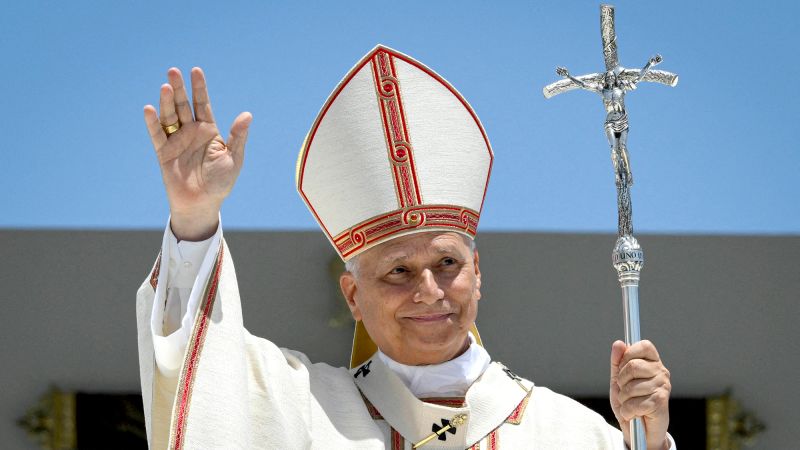
Pope’s July 4 Visit to Migrant Hotspot Sends a Veiled Message to US Leaders
A Call for Reflection on Immigration and Human Dignity
Pope s July 4 visit to migrant – Pope Leo XIV’s planned July 4 trip to Lampedusa, the southern Italian island serving as a critical entry point for migrants arriving in Europe from North Africa, underscores his commitment to addressing the humanitarian challenges faced by displaced populations. This visit coincides with the 250th anniversary of the United States’ independence, a symbolic timing that highlights the Pope’s focus on migration as a central theme in his papacy. The trip is expected to draw attention to the ongoing friction between the Vatican and the Trump administration, particularly regarding the treatment of immigrants. Recent statements from Vice President JD Vance, a Catholic, have framed the Vatican’s position on immigration as “troubling,” emphasizing the political stakes of the Pope’s message.
Historical Context and Migrant Plight
While the United States celebrates its bicentennial, the Pope’s visit to Lampedusa is a reminder of the global migrant crisis that continues to test the resilience of nations and the compassion of leaders. The island, which has become a focal point for those crossing the Mediterranean, symbolizes the risks and sacrifices of asylum seekers. Many of these individuals risk their lives to reach safety, navigating treacherous waters in search of a better future. Pope Leo’s presence there is not just symbolic but also a deliberate act to draw attention to the human stories behind the statistics.
During his time in Lampedusa, the Pope will pay homage to those who lost their lives at sea by laying a floral wreath on their graves. He will also engage with a group of migrants and hold an open-air Mass, providing a platform for their voices. These actions are part of a broader effort to humanize the migration experience and challenge perceptions that often reduce individuals to mere numbers. The visit is a continuation of the Pope’s advocacy for migrants, a cause that has defined his leadership since assuming the papacy.
Leo’s Legacy and Immigration Advocacy
Leo XIV, who previously served as a bishop in Peru, has long been vocal about the plight of displaced people. His tenure in the region saw him offering tangible support to Venezuelans fleeing their homeland, a practice that has informed his current approach to migration. As pope, he has consistently criticized the US administration’s policies, labeling their treatment of immigrants as “inhuman.” This stance has drawn criticism from some US leaders, including Trump, who has frequently clashed with the Vatican over its moral and political positions.
Leo’s visit to Lampedusa echoes the efforts of his predecessor, Pope Francis, who made the island a symbol of the migrant crisis shortly after his election. By retracing these steps, the Pope is reinforcing the idea that immigration is a universal issue, one that transcends borders and demands collective responsibility. Cardinal Blase Cupich, the archbishop of Chicago and a close ally of the Pope, emphasized the personal significance of this journey. “The Pope comes from a family of immigrants, and that personal connection gives his visit a unique depth,” Cupich noted. This sentiment aligns with the Pope’s broader message that migration is not only a political challenge but also a reflection of human dignity and solidarity.
“God doesn’t look for passports, and God looks at the dignity of every human being,” Cupich said, underscoring the Pope’s belief that immigrants should be seen as contributors to society rather than obstacles. The cardinal added that the visit aims to “call us to our better angels,” urging leaders to prioritize compassion over punitive measures.
Shifting Perspectives on New Arrivals
Archbishop Ronald Hicks, who has been appointed to lead the Catholic Archdiocese of New York by Pope Leo, shared his own insights on the importance of the visit. Hicks, who spent five years in El Salvador, described the experience as “direct experience of knowing what it feels like to be on the other side.” His perspective reinforces the Pope’s argument that the United States has historically been a haven for newcomers, a tradition that should not be overshadowed by current debates over legal status.
Hicks highlighted the Pope’s emphasis on welcoming migrants, stating, “He’s reminding us that the US has always been a country of immigrants. Everyone comes from somewhere at different times.” This message is particularly relevant as the Catholic Church in the US has become more vocal on migration issues, culminating in a rare joint statement released by bishops last year. The statement called for a more humane approach to immigration, a stance that has increasingly put the Church at odds with the Trump administration.
Just War Theory and Political Tensions
Leo’s advocacy for migrants has extended beyond humanitarian concerns into political discourse, especially regarding the use of the Just War theory in military interventions. This theological framework, developed over centuries by thinkers like Saint Augustine of Hippo, is frequently invoked to justify armed conflict. However, the Pope has challenged its application in the context of the war in Iran, which he described as an example of measures violating the principles of Just War theory.
President Donald Trump’s vocal opposition to the Pope’s stance on the Iran war has intensified the divide between the Vatican and US leaders. During the 2020 presidential campaign, Trump launched a series of attacks on Leo, accusing him of opposing American interests. Cardinal Cupich called these criticisms “unprecedented,” suggesting a lack of civility in the political discourse. “It left me with a sense that the standards we should hold for leaders in the US were absent in this moment,” Cupich reflected. He argued that the Pope’s message on Just War theory should not be dismissed as an ideological critique but rather as a call for ethical accountability.
“You cannot use the Just War theory as a permission slip for aggressive policies,” Cupich asserted. “It’s important to have an ongoing dialogue with leaders like JD Vance to ensure they understand the moral weight of their decisions.”
The Role of Legal Systems and Cultural Memory
While the Pope advocates for compassion, he has not abandoned the need for a robust legal framework to govern immigration. Both Cupich and Hicks emphasized that a sound system is essential to balance humanitarian concerns with national interests. However, they also stressed that the legal process should not overshadow the inherent dignity of individuals. “We should see migrants not just as lawbreakers but as people with stories and potential,” Hicks said.
Leo’s approach reflects a broader effort to reconcile the complexities of migration. By highlighting the experiences of those who cross borders, he seeks to foster a cultural memory of inclusion and resilience. His actions are part of a larger movement within the Catholic Church to position migration as a moral imperative, one that challenges leaders to reflect on their policies and priorities. As the Pope’s visit unfolds, it will serve as a reminder that the US, like many nations, has a legacy of welcoming the displaced and that this legacy should guide its future actions.
