
Breakaway Catholic group excommunicated after defying warnings from Pope Leo
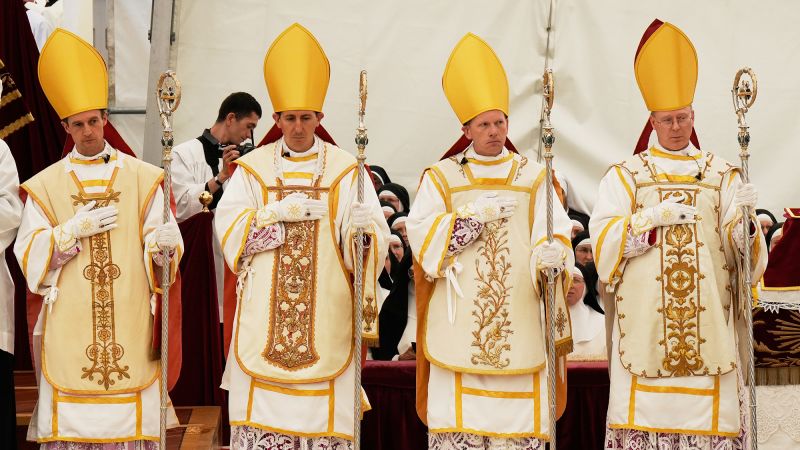
Vatican Excommunicates Breakaway Catholic Group After Defying Pope Leo
Breakaway Catholic group excommunicated after defying – The Vatican has officially excommunicated a breakaway Catholic group following its refusal to heed Pope Leo XIV’s repeated warnings. The Society of Saint Pius X (SSPX), an ultra-traditionalist movement, faced severe consequences after consecrating four new bishops without papal approval. This act of defiance, despite earlier appeals from the Pope, led to a sweeping excommunication decree issued by the Vatican’s doctrinal office. The ruling targets not only the newly ordained bishops but also two clergy who participated in the ceremony and any lay members who formally align with the group. The excommunication marks a critical step in the Vatican’s effort to reaffirm its authority and mend the schism that has persisted for decades.
Excommunication, a serious ecclesiastical penalty, excludes individuals from the sacraments and sacramental life of the Church. The Vatican emphasized that the decision is a direct response to the SSPX’s rejection of papal authority, calling their actions “a sin of extreme gravity.” This move extends beyond past penalties, which focused solely on the bishops involved in the 1988 ordinations. Now, the excommunication applies to all members, signaling a more unified approach to doctrinal consistency. The decree also invalidates any marriages or confessions performed by the SSPX, stripping the group of their sacramental authority and reinforcing the Church’s position on adherence to tradition.
Origins and Core Beliefs of the SSPX
Founded in 1970 by Archbishop Marcel Lefebvre, the Society of Saint Pius X (SSPX) split from the mainstream Catholic Church in opposition to the reforms of the Second Vatican Council. The group adheres to pre-Vatican II practices, including the traditional Latin Mass, and staunchly defends the council’s perceived threats to Catholic doctrine. Their ideology centers on preserving the faith as it was practiced before the 1960s, rejecting modernist changes such as the use of vernacular languages in worship and the Church’s ecumenical outreach. This conviction led to their suppression in 1975 by the Bishop of Fribourg, who deemed their actions incompatible with unity, yet they have endured and expanded globally.
The SSPX’s persistence is rooted in its belief that the modern Church has strayed from its original teachings. Despite being labeled as schismatic, the group maintains a significant presence, particularly in the United States, where they operate a seminary in Dillwyn, Virginia. This institution trains priests who uphold the SSPX’s traditionalist views, such as the assertion that the “modernist church” is a “desert that kills everything it touches.” The group’s leaders argue that their practices align more closely with the unchanging truths of the faith, setting them apart from what they see as a progressive and fragmented Church.
Pope’s Final Stance and the Process for Reconciliation
On Monday, Pope Leo XIV issued a final appeal to the SSPX, warning that their consecrations would be considered schismatic acts. The Pope underscored the importance of unity, framing the excommunication as a necessary measure to correct the group’s deviation from Catholic teachings. The Vatican’s decision also includes a process for priests to return to full communion, requiring personal appeals to the Pope, a profession of faith, and a commitment to avoiding public criticism of his authority. This pathway reflects the Church’s desire to reconcile with dissenters while maintaining doctrinal integrity.
According to Vatican News, the excommunication decree was finalized on Thursday, signaling a decisive moment in the SSPX’s relationship with the Catholic Church. The ruling not only invalidates the group’s sacramental practices but also reaffirms the Pope’s role as the ultimate authority in matters of faith. While some members of the SSPX have expressed disappointment, the Vatican remains hopeful that the decree will encourage others to return to the fold, emphasizing its role as a “caring mother” ready to welcome those who seek reconciliation with sincerity.
The schism has deep historical roots, dating back to the Vatican II reforms of the 1960s. The SSPX’s leaders, including Lefebvre, viewed these changes as a betrayal of Catholic tradition, leading to their formal break from the Church. The Pope’s recent actions, however, highlight a renewed emphasis on restoring unity through firm measures, ensuring that the relationship between bishops and the papacy is reaffirmed as a foundation for doctrinal coherence. This escalation underscores the Vatican’s commitment to maintaining a cohesive and unified Catholic identity in the face of continued dissent.
With the excommunication now in effect, the SSPX faces a significant challenge in retaining its following. The group’s global presence, including its seminary in Virginia and headquarters in Missouri, will need to adapt to the new decree. The impact of this decision extends beyond the SSPX, affecting its ability to perform sacraments and influence Catholic communities worldwide. As the Vatican moves to consolidate its authority, the future of the breakaway group remains uncertain, with some members likely to remain in their schismatic stance while others may seek to return to the mainstream Church.
