
Exclusive: After opting not to retry Harvey Weinstein, Manhattan DA urges legislators to step up for sex assault survivors
Exclusive: After Dropping Fourth Trial on Rape Charge, Manhattan DA Advocates for Legal Changes to Empower Sex Assault Survivors
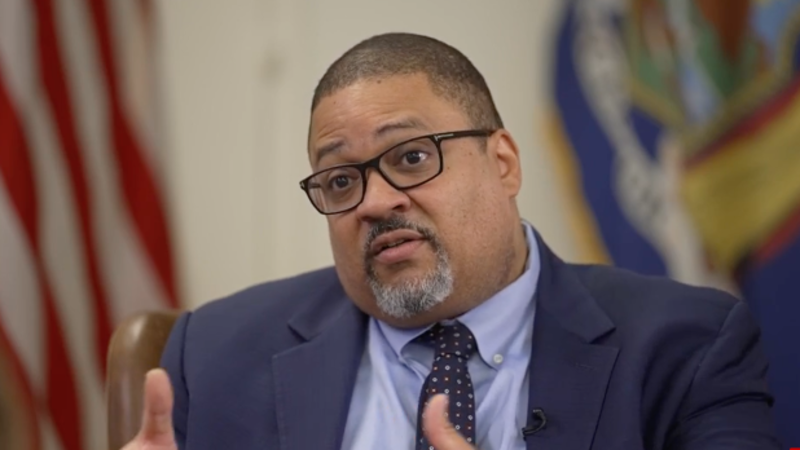
Exclusive – Manhattan District Attorney Alvin Bragg, who recently chose not to pursue a fourth trial against movie producer Harvey Weinstein for rape, has expressed a pressing need for legislative action to better support survivors of sexual assault. In an exclusive conversation with CNN on Wednesday, Bragg emphasized that while his office had already secured a conviction in 2020, the legal system still falls short in giving survivors a full platform to share their experiences. This sentiment comes as the New York Court of Appeals overturned Weinstein’s 2020 conviction in 2024, dismissing testimony about his past “bad acts” as improperly included in the case.
Bragg’s Vision for Legal Reform
Bragg outlined his plans to amend New York’s criminal law, which he believes would allow prosecutors to use evidence of prior misconduct to establish motive, intent, or planning. This change, he argued, is crucial for ensuring that survivors’ voices are not overlooked in high-profile cases. “We’re working closely with legislators to adjust the law,” he stated. “This year didn’t see the necessary progress, but we’re committed to bringing it back next year.”
The proposed bills, introduced in both the New York State Senate and Assembly, aim to streamline the process for incorporating prior acts into trials. However, as of the latest legislative session, neither bill had advanced beyond committee discussions. Bragg acknowledged the frustration this creates for future cases, particularly those involving survivors who have already endured significant emotional and psychological strain.
The Impact of Overturned Convictions
Despite the 2020 conviction, Bragg admitted that the legal system’s treatment of Weinstein’s accusers highlighted broader issues. “Survivors who testified in that case were not just part of the trial—they were the heart of it,” he said. “Yet their stories were dismissed because the court deemed the evidence irrelevant.” This sentiment underscores the personal toll of repeated legal proceedings, which Bragg described as a “poignant” blow to those who have already faced immense challenges.
Bragg’s office recently initiated a new prosecution based on three separate accusations, leading to a mixed outcome. Weinstein was found guilty of one sexual act charge but acquitted of another. However, the rape charge ultimately resulted in a mistrial after the jury refused to continue deliberating. The decision to stop the fourth trial was influenced by Jessica Mann, a key accuser who stated she could no longer endure the courtroom process.
Survivor Testimony and Emotional Strain
“In the process of court, I have been fragmented, silenced, defamed and traumatized,” Mann wrote in her letter to the court.
Mann, who waived the anonymity typically granted to accusers, described the third trial as a deeply painful experience. She explained that reliving the details of Weinstein’s 2013 alleged rape in a New York hotel brought “deeper re-traumatization” and additional emotional distress. Her testimony, which was central to the decision not to retry Weinstein, revealed the psychological burden survivors face during legal proceedings.
Bragg echoed Mann’s perspective, calling her account “sobering and heartbreaking.” He praised her courage in speaking openly about her experiences, noting that her unfiltered testimony provided a powerful insight into the survivor’s journey. “I thought it was great to hear her in her own voice,” he told CNN’s Wagmeister. “This process often focuses on legal arguments, but to see a survivor’s perspective without filters is invaluable.”
High-Profile Cases and Systemic Gaps
Bragg also reflected on the significance of high-profile cases like Weinstein’s, which can inspire more survivors to come forward. However, he stressed that such cases should not overshadow the experiences of less visible victims. “These high-profile trials play a critical role in raising awareness,” he said. “But they don’t always highlight the struggles of survivors who remain in the shadows.”
He pointed out that many survivors, like Mann, are repeatedly called to testify, cross-examined, and forced to recount their trauma multiple times. “They don’t feel like they have a voice in the system,” Bragg said. “Their stories are often set aside, even when they’re essential to proving a case.”
RAINN’s Perspective on Accountability
According to the Rape, Abuse & In Rape National Network (RAINN), the criminal justice system often fails to hold perpetrators fully accountable. The organization reports that 98% of sexual assault perpetrators are never convicted, underscoring the need for legal reforms that better protect survivors. Bragg’s advocacy aligns with this goal, as he seeks to create a framework that gives accusers more leverage in court.
While the recent retrial was a step forward, Bragg remains determined to push for lasting change. “We’re not done yet,” he said. “The system needs to recognize the importance of survivors’ testimony, even when it’s not directly tied to the charges.” His office plans to continue lobbying legislators to pass the coordinated bills, which he believes would significantly impact the fairness of sexual assault trials.
Legacy of the #MeToo Movement
For Bragg, the Weinstein case is a pivotal moment in the #MeToo movement, which has reshaped public perception of sexual misconduct. The 2020 conviction was a landmark victory for survivors, but the reversal in 2024 has reignited debates about the legal standards used in such cases. “That conviction was a seismic shift for survivors,” Bragg said. “But now we have to ask: What did it cost them to have their voices heard?”
He argued that the current legal framework does not adequately account for the cumulative trauma survivors endure. “Each trial brings new challenges, and the system doesn’t always honor the individuals who have already made the effort to speak up,” he said. “We need to make sure their testimonies are given the weight they deserve.”
Bragg’s focus on survivors reflects a growing awareness within the legal community of the need for systemic reform. While he acknowledges the progress made through high-profile cases, he remains concerned about the long-term effects on those who have already faced scrutiny. “We have to balance the importance of these cases with the needs of every survivor who steps forward,” he said. “Otherwise, we risk repeating the same mistakes.”
As the legislative session concludes, Bragg’s office is preparing for the next opportunity to push for change. The coordinated bills, though not yet passed, represent a critical step toward ensuring that survivors’ experiences are central to the legal process. “This is about giving survivors the tools they need to tell their stories fully,” Bragg concluded. “It’s not just about one case—it’s about creating a fairer system for all.”
