
Folarin Balogun’s red card will be hotly debated, but it revealed something about the USA that can’t be taken away
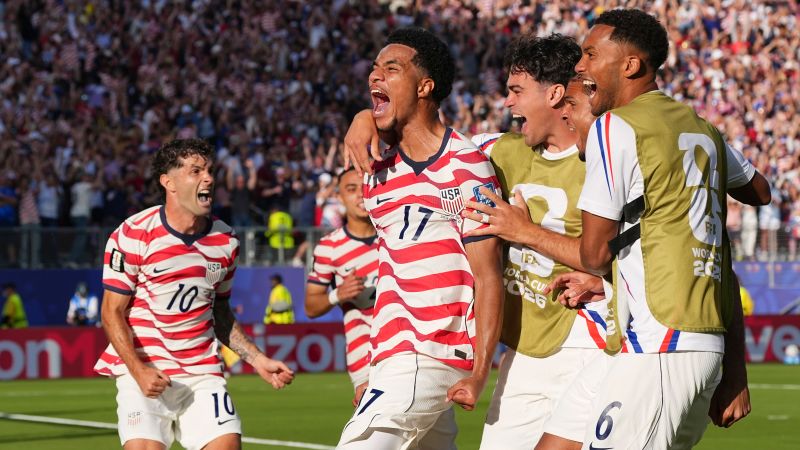
Folarin Balogun’s Red Card Highlights U.S. Soccer’s Resilience in World Cup Round of 32
Folarin Balogun s red card will – The U.S. men’s soccer team’s 2-0 victory over Bosnia and Herzegovina in the Round of 32 was a defining moment, yet it was Folarin Balogun’s controversial red card that dominated discussions. This pivotal incident, which occurred during a critical phase of the match, revealed the team’s ability to adapt under pressure, a trait that has long been absent in their World Cup history. While Balogun’s dismissal initially cast doubt on the U.S. strategy, the squad’s composure and tactical discipline ultimately secured their place in the next round, proving that the red card could not overshadow their progress.
A Controversial Red Card
Folarin Balogun’s ejection stemmed from a disputed challenge in the first half. After a long ball was delivered into Bosnia’s half, Balogun and defender Tarik Muharemovic collided in a fierce contest for possession. The defender’s right leg struck Muharemovic’s calf, and his follow-through landed sharply on the ankle. Though the contact appeared accidental, the VAR review confirmed it as dangerous play, leading to Balogun’s red card. The decision, made by referee Raphael Claus, shifted the game’s momentum but also tested the team’s resilience in a high-stakes environment.
The Team’s Response
Despite being a player down, the U.S. squad demonstrated maturity that has become a hallmark of their recent World Cup campaign. Their defense held firm against Bosnia’s relentless attacks, while Christian Pulisic and Malik Tillman orchestrated a late surge that culminated in Tillman’s stunning free-kick in the 82nd minute. This goal, a defining moment in the match, underscored the team’s growing confidence and ability to thrive in challenging situations. Folarin Balogun’s red card may have disrupted the initial rhythm, but it ultimately served as a catalyst for their transformation.
Balogun’s absence forced the U.S. to rely on their depth and tactical flexibility, qualities honed over years of preparation. The back line, previously prone to errors, displayed newfound composure, limiting Bosnia’s opportunities and protecting the lead. Midfielder Weston McKennie emerged as a key orchestrator, while the entire team’s cohesion reflected a shift in mindset. The victory marked a turning point, proving that the U.S. could now survive setbacks and maintain control of their destiny in the tournament.
“This is a testament to the team’s resilience and discipline,” said defender Chris Richards. “We’ve kept two clean sheets in the last four games, and I think before that, we didn’t quite have the best record in that regard.” Richards’ comments highlight the growing defensive solidity, a rarity in past tournaments. The red card incident, while contentious, underscored the U.S. ability to adapt and deliver under pressure, setting the stage for deeper runs in the competition.
The red card also sparked debate about the role of VAR in modern soccer. While some questioned the decision, the technology ensured clarity in assessing the challenge. This moment exemplified how Folarin Balogun’s mistake could not define the U.S. team’s performance, as they adapted their strategy and executed with precision. The result was a 2-0 win that signaled a new era for American soccer—one built on resilience, tactical awareness, and collective determination.
Looking ahead, the U.S. now faces a formidable challenge in their next match against Belgium. Without Balogun, the team must rely on their depth and tactical versatility to maintain their momentum. The performance against Bosnia, however, provides a blueprint for success. The red card, while a setback, highlighted the squad’s ability to thrive in adversity. This resilience, combined with their defensive improvements, positions the U.S. as a serious contender for deeper World Cup runs. As the tournament progresses, the focus will remain on how they navigate the next hurdles with the same composure and unity that defined their Round of 32 triumph.
