
An American steel town with serious Christmas spirit: ‘It’s like living in a snow globe’
An American steel town with serious Christmas spirit: ‘It’s like living in a snow globe’
An American steel town with serious – A sunny afternoon unfolds on the plaza adjacent to Bethlehem’s industrial history museum, where a small group enjoys the rare warmth of Pennsylvania’s winter. The air hums with the sound of Robbie Lawrence and the Steelworkers, a local polka band, as they play lively tunes for passersby. Lawrence, 32, channels the pride of his hometown with every note, singing, “I come from Bethlehem and I’m proud of it, Bethlehem is my home.” His voice blends with the accordion’s cheerful melody, creating a soundtrack that feels as much a part of the city as its historic architecture. Behind the band, a dormant steel office building looms, its skeletal frame now destined for a new life as apartments. Across the street, the remnants of a once-thriving steel mill stand as a dramatic backdrop to a street-side celebration of sangria and holiday cheer.
The Legacy of Steel and the Magic of Christmas
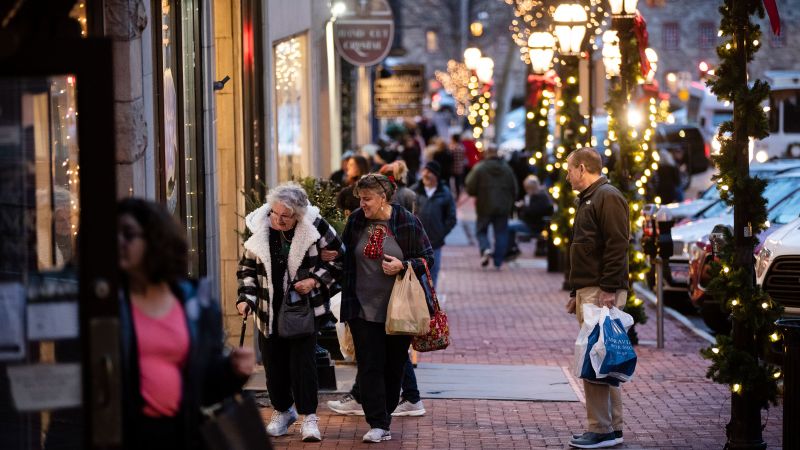
Bethlehem’s identity as a steel town is etched into its streets, but today, it’s also synonymous with the holiday spirit. The city, nestled in the Lehigh Valley, has transformed into a destination where the past and present coexist. As the sun sets, the town’s iconic Christmas lights twinkle against the backdrop of repurposed industrial sites, drawing visitors who come to experience its unique blend of tradition and reinvention. “It’s like living in a snow globe,” says Lawrence, whose family has called this region home for six generations. “Every corner feels wrapped in holiday magic, even when the weather isn’t perfect.”
The city’s historical roots stretch back to the 1700s, when Moravians founded it as a religious settlement. Their vision of a self-sustaining community laid the groundwork for Bethlehem’s later industrial rise. Two centuries later, the discovery of iron deposits and the expansion of railroads turned the town into a hub for steel production. By the early 1900s, Bethlehem Steel had become a powerhouse, employing thousands and shaping the skyline of America. The company’s legacy is now preserved in the National Museum of Industrial History, housed in a former repair shop that once served the steel mills. Inside, visitors can trace the city’s transformation through artifacts and machines, including a working steam engine that still roars to life.
From Steel Mills to Festivals and Fine Living
Though the steel industry’s golden era ended 31 years ago, Bethlehem has found new vitality. The decline, once seen as a death knell, has instead opened doors to cultural and economic revival. Today, the city thrives on its festivals, from the annual August music event that draws over a million attendees to the vibrant holiday markets that light up the streets. The once-rust-stained blast furnaces of the old steel plant now serve as a striking setting for seasonal events, blending industrial heritage with festive fun. In the heart of the city, a 19th-century mansion—once the residence of a railroad magnate—has been converted into a boutique hotel, offering a glimpse into the past while catering to modern travelers.
“A lot of people foresaw the potential of this area, and they didn’t want it to die with the steel industry,” Lawrence explains, reflecting on how the community has embraced change. “Now, we’re seeing a lot of positivity as we move forward.” His words echo the sentiment of many who live here, where the city’s unassuming charm and friendly atmosphere have become its greatest assets. The Lehigh Valley, split by the Lehigh River and dotted with rolling hills and farmland, acts as a microcosm of American life, merging urban energy with rural tranquility. This balance has allowed Bethlehem to maintain its heartland appeal while evolving into a destination known for its unique blend of history and modernity.
Steel’s Role in Shaping the Nation
Bethlehem Steel’s contributions extend far beyond its local impact. During its most prosperous decade in the 1940s, the company employed around 30,000 workers in the city alone—nearly half its population. These workers were instrumental in constructing some of the nation’s most iconic landmarks, from the Empire State Building to the Golden Gate Bridge. The company’s role in wartime efforts is particularly noteworthy; by World War II, it had become the largest private shipbuilder in the world, producing 1,127 vessels for the U.S. military. “If you talked to one of the old guys who worked here, he’d tell you the US won World War I and World War II because of Bethlehem Steel,” says Mahesh Vyas, a museum docent with three decades of experience. “It was a vital part of our national identity.”
Vyas recalls the days when the steel plant was a bustling center of activity, its towering structures and roaring furnaces a symbol of industrial might. An archival photo on display in the museum captures him seated at a primitive computer, a relic from the company’s golden age. “Bethlehem Steel was Bethlehem,” he adds. “It was more than a job—it was a way of life.” The museum, a UNESCO World Heritage site, serves as a testament to the city’s industrial legacy, preserving the tools and stories that defined its past. Yet, even as it honors history, Bethlehem looks to the future, with its vibrant festival scene and thriving cultural scene offering a fresh chapter.
Just eight blocks west of the plaza, the Lehigh River flows through the valley, dividing it into a patchwork of communities. The city sits halfway between Allentown to the west and Easton, a smaller but lively city on the Delaware River’s border with New Jersey. This strategic location has fueled growth, making the Lehigh Valley a destination for both locals and tourists. The region is home to wineries, renowned restaurants, and America’s oldest continuous open-air farmer’s market, all of which contribute to its appeal. But it’s Bethlehem’s Christmas spirit that sets it apart, with its twinkling lights, festive markets, and traditions that feel timeless.
As the city continues to evolve, its ability to balance progress with preservation remains a hallmark. The former steel complex on the south bank of the Lehigh River now hosts Lehigh University, a symbol of the city’s commitment to education and innovation. Meanwhile, the old blast furnaces and office buildings have been repurposed into spaces that reflect modern needs, from apartments to hotels. “There’s so much to do around here,” Lawrence notes. “I’ve never heard anyone say there’s nothing to do in Bethlehem.” This sentiment is shared by many, as the city’s charm lies in its ability to honor its history while embracing new opportunities. Whether it’s the annual music festival that draws millions or the quiet warmth of a family-owned restaurant, Bethlehem offers a unique experience that feels both nostalgic and forward-looking.
Why Bethlehem Still Captivates
Bethlehem’s journey from industrial powerhouse to cultural hub is a story of resilience. While the steel mills may no longer churn out rails and ships, their impact remains visible in every corner of the city. The National Museum of Industrial History stands as a bridge between eras, showcasing the machinery and artifacts that once fueled America’s progress. Visitors can walk through the remains of the steel industry’s infrastructure, now transformed into spaces that serve the community in new ways. “The past is never far away here,” says Vyas. “It’s part of who we are.”
Today, Bethlehem’s appeal lies in its ability to blend the old with the new. The city’s revitalized Main Street is a tapestry of shops, cafes, and galleries, while its historic neighborhoods retain the character of a bygone era. As the holiday season approaches, the town becomes a beacon of joy, its Christmas spirit as enduring as the steel that once built it. For those who visit, Bethlehem offers a glimpse into a place where the echoes of industry are not forgotten, but rather celebrated as part of its identity. It’s a city that has learned to adapt, proving that even the most iconic industries can leave a lasting legacy in unexpected ways.
