
Minnesota man accused in a $250M fraud scheme taken into custody in Somalia
Minnesota Man Linked to $250 Million Fraud Scheme Arrested in Somalia
Minnesota man accused in a 250M – Law enforcement officials have detained a Minnesota man accused of participating in a $250 million fraud operation in Somalia. Abdikerm Abdelahi Eidleh, 42, of Burnsville, Minnesota, was apprehended on Thursday in Mogadishu, according to a statement issued by U.S. Attorney Daniel Rosen. The court records do not indicate whether Eidleh has retained legal representation, and he has yet to formally enter a plea in the case. His arrest marks a significant development in a sprawling scheme that has drawn attention from federal authorities for its scale and impact on public resources.
The Fraud Scheme and Its Broader Context
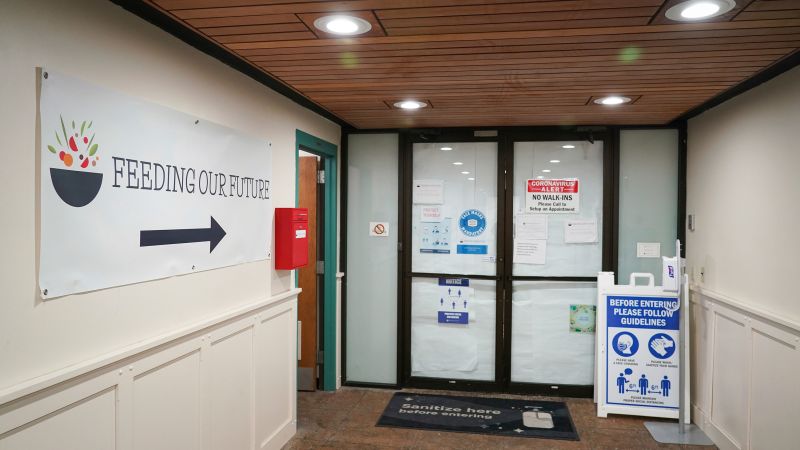
The indictment, filed in 2022, involves dozens of individuals who were implicated in a major effort to defraud a federal child nutrition initiative. Prosecutors allege that the scheme siphoned millions from a program designed to support children during the pandemic, with funds diverted to personal gains. Eidleh, according to the documents, was employed by Feeding Our Future, an organization that claimed to provide meals to thousands of children in need through the program. However, authorities say the organization’s operations were largely fabricated, with only a fraction of the money allocated to actual food distribution.
Under the program, federal funds were intended to ensure that children in low-income families received meals during school closures. Eidleh’s role, as outlined in the indictment, included creating deceptive websites that presented the organization as a reliable provider of meals. These sites were used to mislead stakeholders and attract funding, while the organization’s true activities were centered on generating profit through shell companies. Prosecutors argue that these shell firms funneled money into luxury vehicles, real estate purchases, and other non-essential expenditures, leaving vulnerable children without the support they required.
Charges and Legal Implications
Eidleh faces 31 charges, including conspiracy to commit wire fraud, wire fraud itself, and violations related to federal program bribery. The indictment also accuses him of orchestrating money laundering activities, which allowed the scheme to operate for years without detection. Assistant Attorney General Colin M. McDonald of the DOJ’s National Fraud Enforcement Division highlighted Eidleh’s prominence in the case, calling it “one of the largest fraud schemes in Minnesota history.” McDonald emphasized that Eidleh’s actions not only exploited taxpayer funds but also deprived children of essential meals, exacerbating hunger during a critical period.
“He not only stole taxpayer dollars, but he also robbed vulnerable children of critical resources they desperately needed. Rather than answer for his crimes in the United States, he fled to Somalia in a futile attempt to evade justice,” McDonald said.
The arrest in Somalia underscores the global reach of the fraud, as Eidleh allegedly used the country as a refuge to avoid prosecution. While the U.S. legal system has pursued charges against him, his detention in Mogadishu suggests cooperation from local authorities. The case has also reignited discussions about the effectiveness of international legal partnerships in combating financial crimes. Prosecutors believe Eidleh’s actions were part of a coordinated effort that exploited the pandemic’s social and economic challenges, making it easier to manipulate public trust and financial systems.
The Pandemic’s Role in the Scandal
The pandemic created a unique opportunity for the fraud scheme, as schools closed and reliance on federal assistance programs increased. Feeding Our Future, under Eidleh’s leadership, capitalized on this by promoting itself as a lifeline for children. The organization’s claims about distributing meals were allegedly exaggerated to secure funding, with Eidleh playing a central role in crafting the narrative. Court records reveal that the scheme’s operations were highly organized, involving multiple layers of deception to maintain the illusion of legitimacy.
The fraudulent activities reportedly included forging contracts with the federal program, creating fictitious vendors, and manipulating records to show higher meal distributions than actually occurred. These tactics allowed the group to siphon funds while maintaining the appearance of a thriving initiative. Eidleh’s alleged use of shell companies further complicated the scheme, enabling the money to be transferred overseas and hidden from scrutiny. The indictment details how the fraud affected not just the program’s budget but also the lives of children who depended on its services.
Political and Legal Repercussions
The case has drawn attention beyond the courtroom, with some political figures linking it to broader debates about immigration and accountability. President Donald Trump, for instance, cited the fraud as evidence for his push to tighten immigration policies in Minnesota late last year. While the connection between the case and immigration enforcement is not direct, Trump’s administration framed the incident as an example of how lax oversight can allow financial misconduct to thrive. This perspective has fueled discussions about the need for stricter monitoring of organizations receiving federal funds.
Eidleh’s arrest in Somalia highlights the importance of international cooperation in bringing perpetrators to justice. The U.S. Attorney’s office praised the collaborative efforts between American and Somali authorities, which enabled the recovery of stolen funds and the arrest of a key figure. Legal experts note that such cases often require a combination of investigative work, cross-border evidence sharing, and political will to execute. The indictment serves as a reminder of how financial fraud can undermine public trust in essential services, especially during times of crisis.
As the legal proceedings continue, Eidleh’s case is expected to set a precedent for similar fraud investigations. His alleged actions have exposed vulnerabilities in the federal meal program, prompting calls for reforms to prevent future abuses. The arrest in Somalia also demonstrates that even those who flee the country cannot escape accountability, as international legal mechanisms can bridge the gap between jurisdictions. For the families affected by the program’s mismanagement, the case represents a step toward justice and a renewed focus on protecting resources intended for those in need.
Broader Impact and Future Considerations
The scale of the fraud has prompted a reevaluation of how federal funds are managed and distributed. Investigators are now examining whether other organizations operating under similar programs may have engaged in similar deceptive practices. The case also raises questions about the role of technology in modern fraud, as Eidleh’s use of fake websites and digital records exemplifies the sophistication of contemporary schemes. With the legal system working to dismantle the operation, the focus remains on recovering lost funds and ensuring that no child is left without access to critical nutrition support.
For Eidleh, the arrest in Somalia marks the beginning of his legal journey, with the U.S. government likely to pursue charges that could result in substantial penalties. His indictment underscores the gravity of the case, as it involves not just financial theft but also a betrayal of public trust. As the trial progresses, the details of his actions will be scrutinized to determine the full extent of the damage caused. The case is expected to serve as a cautionary tale for organizations and individuals who misappropriate resources meant for communities in distress.
