
Traveling to a heat wave zone: Here’s what tourists need to know
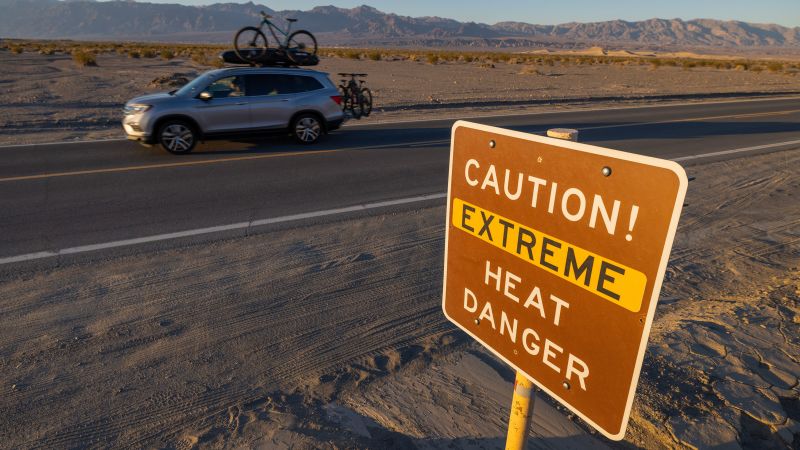
Traveling to a Heatwave Zone: Essential Guidance for Tourists
Traveling to a heat wave zone – As global temperatures continue to rise, many of the world’s most frequented tourist spots are experiencing unprecedented heat, prompting travelers to reconsider their summer plans. With scorching conditions breaking records and causing disruptions, questions about safety, refunds, and coping strategies are now top of mind for vacationers. This guide addresses these concerns and offers practical advice for navigating the challenges of extreme weather.
Heatwave Impacts Across the Globe
Recent weeks have seen a surge in heat-related incidents, particularly in the United States and Europe. In the U.S., the National Weather Service forecasts that the Grand Canyon National Park will face temperatures of 110°F (43°C) or higher at the Phantom Ranch, a low-elevation area, this week. This has led the National Park Service to issue warnings, urging visitors to steer clear of hiking during peak heat hours. The advisory follows a spike in heat-related fatalities, including two hikers who died on the North Kaibab Trail.
Europe is no less affected. French officials have issued health alerts as the region battles its most intense heatwave in decades. On Monday, France recorded its highest overnight temperature since 1947, with provisional data showing a staggering 37.8°C (100°F). Several French towns also set new daily heat records. Meanwhile, in Spain, the AEMET weather service reported temperatures surpassing 113°F (45°C) in Andújar, a southern municipality. The UK, too, is bracing for record highs, with schools temporarily closing and the Met Office activating a rare heat-health alert, emphasizing the potential threat to life.
“Humidity is also a factor, making this heatwave even more impactful with heat stress a danger to all,” stated the UK Met Office in a Monday release.
These extreme conditions are not isolated events. With global temperature records consistently being shattered, the heatwave is intensifying in numerous regions, threatening to derail travel plans. Currently, 23 European countries have issued heat alerts, with Germany, France, Spain, Switzerland, and Luxembourg at the highest risk level. For those visiting these areas, adapting to the heat may be necessary, and some itineraries could be scrapped altogether.
Adapting to the Heat: Practical Strategies
Travelers heading to affected zones should prioritize early mornings for sightseeing. While midday is traditionally seen as the peak heat, temperatures often rise until early evening, making afternoons particularly uncomfortable. To combat this, experts recommend starting activities before 11 a.m. and taking frequent breaks in shaded or cooled environments.
Staying hydrated is crucial. The CDC advises drinking more water than usual and avoiding waiting until thirst sets in. For those with chronic health conditions, such as asthma, or individuals in high-risk groups like the elderly and young children, extra precautions are essential. Cooling down can be achieved by washing hands, wrists, and faces with cool water, a task made easier in Europe due to the abundance of public fountains. Taking cool showers and air-drying when possible also helps regulate body temperature.
Wardrobe choices play a significant role in heat tolerance. Loose, light clothing made from breathable materials like cotton or linen is recommended. Sunscreen should be applied regularly, with reapplication every two hours or after sweating. Even a handheld fan can provide relief, according to experts, by improving air circulation and reducing perceived heat.
Regional Specifics and Local Advisories
In Italy, authorities are advising residents to spend at least three hours daily in air-conditioned spaces. This could mean seeking refuge in museums, galleries, or restaurants when exploring the countryside. Meanwhile, in the UK, the Met Office’s heat-health alert underscores the need for vigilance, especially for those engaging in outdoor activities.
The combination of soaring temperatures and humidity has created a more dangerous environment for travelers. In regions where floods, wildfires, or typhoons are also a risk, tourist attractions may close or face evacuations. For example, in the U.S., the heatwave has already caused disruptions, with some hiking trails temporarily shut down due to safety concerns.
While many travelers can still enjoy their trips by following local guidelines, the situation may require adjustments. For instance, schools in the UK have closed as a precaution, and businesses in heat-affected areas might limit operations. This highlights the importance of staying informed and flexible. Refunds or rescheduling options are available in some cases, but they depend on the specific destination and the extent of the weather disruption.
What to Expect and How to Prepare
As the heatwave progresses, its effects will become more pronounced. In the U.S., the risk of dehydration and heatstroke is heightened, particularly for those engaging in physical activities without adequate protection. Similarly, in Europe, the combination of extreme heat and humidity has led to a surge in health-related emergencies. Experts warn that without proper measures, even short trips can turn into high-stress experiences.
Local governments and tourism boards are issuing updated safety recommendations. These include advising tourists to avoid prolonged exposure to the sun, stay indoors during the hottest hours, and monitor weather forecasts for real-time updates. For those planning to visit high-risk areas, having a backup plan or adjusting travel dates could be prudent. The heatwave’s impact is expected to linger, with some regions reporting temperatures that may remain above average for weeks.
While the situation is challenging, there are steps travelers can take to minimize risks. Packing essentials like water bottles, hats, and breathable clothing can make a difference. Additionally, using cooling devices such as fans or misting systems can help maintain comfort. For families, ensuring children have access to shade and hydration is critical, as they are particularly vulnerable to heat-related illnesses.
As the world grapples with climate change, heatwaves are becoming more frequent and severe. This means that future travel plans may need to account for increasingly unpredictable weather patterns. By staying proactive and heeding local advice, tourists can navigate these conditions with greater ease. However, the possibility of cancellations or rescheduling remains, especially in areas where the heat poses a direct threat to health and safety.
Ultimately, the key to surviving a heatwave is preparation. From adjusting travel schedules to taking regular cooling breaks, every step contributes to a safer and more enjoyable experience. As the temperatures climb, the importance of these measures becomes clearer. Whether you’re exploring the Grand Canyon or the streets of Paris, staying informed and adapting to the heat will be essential this summer.
