
150,000 square feet of barnacles and sea gunk: The latest problem in the Strait of Hormuz
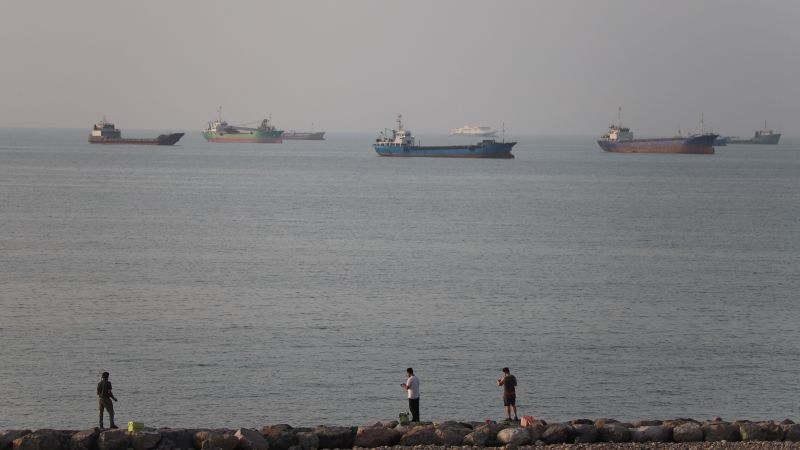
Massive Biofouling Crisis in the Strait of Hormuz: A Persistent Challenge for Oil Tankers
150 000 square feet of barnacles – The Strait of Hormuz, a critical chokepoint for global oil trade, has become a breeding ground for biological buildup. For months, massive supertankers have been anchored in the Persian Gulf, their hulls slowly overtaken by barnacles, mussels, algae, and other marine life. This issue, referred to in the maritime industry as biofouling, has created a logistical nightmare for shipping operators. Derek Hamm, a diver from Obsessive Compulsive Divers in Marathon, Florida, described the situation as a “gross accumulation” over four months, emphasizing the sheer scale of the problem.
A Hidden Menace Beneath the Surface
Biofouling isn’t just a visual nuisance—it’s a significant operational challenge. The organisms that cling to ship hulls can drastically reduce fuel efficiency and increase costs. For example, oil tankers that are more than 1,000 feet long have hulls covering approximately 150,000 square feet, an area requiring extensive effort to clean. Crews of divers, often working in teams of five to six, must spend four to five hours each day using hand scrapers and high-pressure washers to remove the layers of marine growth.
“In the maritime world, it’s not so weird,” Hamm remarked, highlighting the routine nature of biofouling. He explained that while the work may seem straightforward, the size of these vessels makes the task daunting. “Those ships are just way too big for individual divers to handle.”
The process isn’t limited to scraping the hull. Divers also have to meticulously clean propellers and intake valves, areas where biofouling can cause mechanical failures. “Critters love to set up inside intake valves, breaking boats’ cooling systems,” Hamm noted. In some cases, propellers require removal and reinstallation, a labor-intensive process that demands considerable physical effort.
Costs and Consequences of the Cleanup
The demand for bottom cleaning services has surged, driving up prices. Aron Sørensen, chief environment officer at BIMCO, stated that fees have climbed to “five figures per ship.” This increase reflects the urgency of the situation, as delays in cleaning can hinder the movement of oil across thousands of miles. For instance, fuel accounts for about 50% of a ship’s operating expenses, according to Neil Roberts, head of marine and aviation at Lloyd’s Market Association. Biofouled hulls and propellers not only slow down vessels but also pose risks to their structural integrity and environmental compliance.
“The work is straightforward and not complicated, but those ships are just way too big for individual divers,” said Brian McCauley, owner of McCauley Mooring and Diving. His team in Long Island Sound provides these essential services, often using specialized tools like lances and hydraulically powered pressure cleaners to tackle stubborn growth such as barnacles.
Bottom cleaners must also be cautious to avoid damaging the ship’s protective coatings. These coatings are designed to prevent biofoul accumulation and are critical for meeting ecological standards. “Damaged coating can cause significant problems,” McCauley explained, citing potential violations of environmental regulations and issues with insurers’ biofoul clauses.
Historical Roots of the Problem
Biofouling isn’t a modern issue. As early as centuries ago, warships were equipped with copper-bottomed hulls to deter invasive marine organisms from boring into wooden structures. This historical approach underscores the long-standing challenge of balancing maritime needs with environmental protection. “It’s an age-old problem,” Roberts observed, adding that today’s ships face similar issues but with more advanced materials and techniques.
While the focus has shifted from warfare to energy security, the Strait of Hormuz remains a focal point. With 600 ships anchored in the area, the scale of the cleanup operation is unprecedented. Each vessel represents a logistical hurdle, as divers must navigate the cramped spaces of the strait to perform their work. “You can’t just brush it off,” McCauley said. “It’s a systematic process that demands precision and patience.”
Ecological and Economic Impacts
Beyond operational costs, biofouling has ecological repercussions. Invasive species trapped within the buildup can disrupt marine ecosystems, spreading to new areas and outcompeting native organisms. “Maritime regulations require boats to clear barnacles and other biofoul before they reach port,” Hamm explained. This step ensures compliance with environmental standards and prevents further ecological damage.
Yet, the economic stakes are equally high. Fuel efficiency losses from biofouling can translate into millions of dollars in additional costs annually. “Ships, like airplanes, are designed with fluid dynamics in mind,” Roberts pointed out. “Biofoul seriously messes that up, making them less efficient and more expensive to operate.” For tankers ferrying oil from the Middle East to Asia or Australia, these inefficiencies compound over vast distances, creating a domino effect on global energy markets.
“Severe growth on propellers can render them completely useless over time,” Carolyn Shearlock, owner of The Boat Galley, added. “Although that’s more typical for boats anchored for several years, the current situation is accelerating the problem.”
Iran’s recent announcement that it is requiring companies to register with the country to clear the strait has added another layer of complexity. Minesweepers now need to trawl through the narrow waterway, which is only about 21 miles wide, to ensure safe passage for the massive fleet of supertankers. This regulatory measure aims to streamline operations but also highlights the region’s vulnerability to disruptions in the global supply chain.
A Delicate Balance of Necessity and Nuisance
Despite the challenges, bottom cleaning remains a necessary step in restoring the flow of oil. “It’s one step in a long process before ships can start moving hundreds of millions of barrels to their destinations,” Hamm said. The process, while tedious, is essential for maintaining the efficiency of the world’s largest oil carriers. However, the growing reliance on these services has raised concerns about their sustainability and the potential for increased costs in the future.
For now, the focus remains on addressing the immediate backlog. As the demand for cleaning services continues to rise, divers and their teams are working tirelessly to keep the oil supply chains running. The question now is whether this temporary solution can withstand the pressures of a prolonged energy crisis. “This is a battle we’ve been fighting for centuries,” Roberts concluded. “But in today’s world, the stakes are higher than ever.”
With the Strait of Hormuz serving as a lifeline for global energy, the battle against biofouling has taken on new urgency. The accumulation of barnacles and other marine growth is not just a physical burden—it’s a symbol of the interconnected challenges facing modern maritime operations. As the industry grapples with this persistent issue, the need for innovation and efficiency in bottom cleaning will only grow. For now, the divers remain the unsung heroes of this critical task, ensuring that the world’s oil continues to flow, albeit with a bit more effort and expense than ever before.
