
Bolivia’s president declares state of emergency over blockade crisis
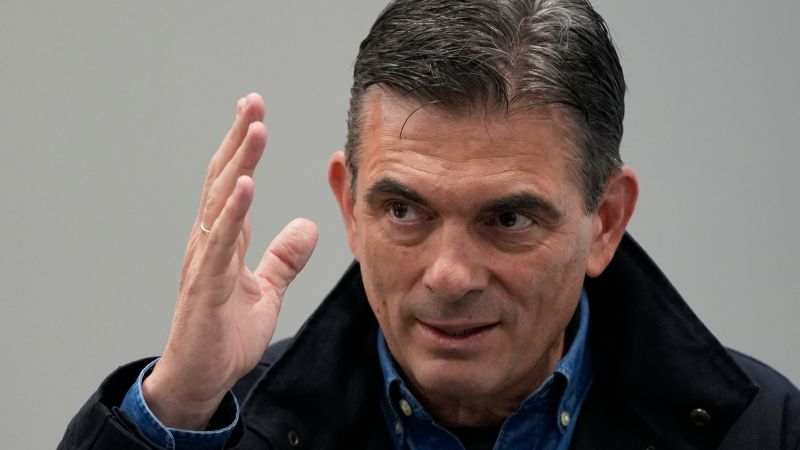
Bolivia’s President Declares State of Emergency Amid Blockade Crisis
Bolivia s president declares state of emergency – Bolivia’s President Rodrigo Paz has taken decisive action by implementing a state of emergency on Saturday, responding to a protracted crisis that has gripped the nation. The decision follows months of escalating protests fueled by widespread discontent over surging living costs and economic strain, which have now transformed into a deepening political turmoil. These demonstrations, which have drawn support from labor unions, agricultural communities, and followers of the former president Evo Morales, are demanding Paz’s resignation. The movement has disrupted daily life, creating shortages of essential goods and services across key regions of the country.
Impact of Blockades on National Stability
The protests, characterized by road blockades, have significantly hampered the flow of food, fuel, and medical supplies, plunging parts of Bolivia into a state of economic paralysis. Over the past 50 days, these actions have left citizens struggling to access basic necessities, with transportation networks strained to the point of collapse. The prolonged disruption has not only affected local economies but also strained the country’s ability to maintain critical infrastructure and public services. Paz emphasized in his address that the emergency declaration aims to liberate the nation’s roads, restoring mobility and enabling the government to address the growing crisis.
“Bolivians cannot remain hostages to blockades that prevent working, studying, receiving medical care, and supplying their homes,” Paz stated, highlighting the urgent need to break the cycle of economic stagnation. The president framed the move as a necessary step to “restore normalcy” to a country where he accused “organized groups” of using violence to destabilize the nation. His speech underscored the severity of the situation, with the blockade protests described as a coordinated effort to undermine governmental authority.
Legal Framework and Previous Measures
Paz’s declaration comes after he signed a law in May granting the military the authority to intervene in internal conflicts. This legal tool had been a last resort, as he had previously indicated it would only be used if dialogue failed. “After exhausting all avenues of negotiation, and clearly identifying those who employed violence to destabilize Bolivia, we have enacted a state of exception across the entire national territory,” he explained. The law’s passage marked a pivotal moment, allowing the armed forces to take a more active role in quelling unrest and enforcing order.
The economic context of the crisis is deeply rooted in the challenges faced by Bolivia since the country’s most severe financial downturn in recent history. Paz assumed office seven months ago, inheriting a nation grappling with inflation rates that have reached a 40-year peak. The once-reliable natural gas exports have dwindled, exacerbating the scarcity of fuel and the country’s dwindling foreign currency reserves. These factors have contributed to public frustration, which has now manifested in the widespread protests demanding both political change and immediate relief from economic hardship.
Political Shift and Diplomatic Efforts
The current crisis represents a stark departure from Bolivia’s decades-long leftist governance under the Movement for Socialism (MAS) party, which has dominated the country since 2006. Paz’s election as a centrist leader signified a major ideological shift, breaking from the MAS’s progressive policies. His administration has prioritized economic reforms, including the decision to eliminate long-standing fuel subsidies in May. This move, intended to reduce the national deficit, sparked immediate outrage, with critics arguing it worsened the affordability crisis for ordinary citizens.
In an effort to stabilize the economy and rebuild international partnerships, Paz has sought to strengthen ties with Washington. This effort follows years of diplomatic strain, particularly after Morales’s administration aligned closely with leftist allies. In September, the president unveiled a $1.5 billion economic cooperation agreement with U.S. officials, aiming to secure reliable fuel supplies and attract foreign investment. These steps reflect a broader strategy to position Bolivia as a more stable and economically viable nation, even as domestic challenges persist.
Unrest and Collective Demands
While the primary demand from protesters is Paz’s resignation, unions have also called for higher wages and an end to the ongoing shortages of fuel and dollars. These demands have gained traction as the economic crisis has eroded public trust in the government’s ability to manage resources effectively. The protests have become a symbol of widespread dissatisfaction, with citizens from diverse backgrounds uniting against what they perceive as a systemic failure to address their needs.
Analysts note that the crisis has exposed deep divisions within Bolivia’s political landscape. The MAS party, which once held a near-monopoly on power, has seen its influence wane as the centrist government faces resistance from grassroots movements. The blockades, which have disrupted key supply chains, have also highlighted the country’s vulnerability to social unrest in times of economic instability. As the situation continues to evolve, the government’s ability to restore order will be critical in determining the future trajectory of Bolivia’s political and economic landscape.
Global Implications and Ongoing Challenges
With the state of emergency now in place, the military and police have been deployed to enforce measures that could either calm the situation or escalate tensions. Paz’s administration faces the dual challenge of addressing immediate logistical bottlenecks while navigating the broader political implications of its actions. The declaration has drawn both support and criticism, with some viewing it as a necessary intervention to protect the country’s stability, while others fear it may lead to authoritarian overreach.
The crisis has also prompted international attention, with organizations and neighboring countries closely monitoring the situation. Bolivia’s economic struggles, combined with the political upheaval, have raised concerns about its ability to recover from the current downturn. The state of emergency, while aimed at restoring normalcy, may have long-term consequences for the nation’s governance and its relationship with the population. As the government moves forward, the success of its efforts will depend on its capacity to balance authority with the demands of the people it seeks to serve.
With the situation still unfolding, the path forward remains uncertain. The protests have demonstrated the power of collective action in shaping Bolivia’s political future, and the president’s decision to declare a state of emergency signals a pivotal moment in the country’s history. Whether this move will quell the unrest or deepen the divide between the government and its citizens will be a key question in the coming weeks. For now, the nation watches as the emergency unfolds, with the hope that it will pave the way for lasting solutions to its economic and political challenges.
Bolivia’s crisis continues to evolve, and the state of emergency is just one chapter in a complex narrative. As the government works to restore order, the underlying causes of the unrest—rising costs, economic strain, and a legacy of political polarization—remain unresolved. The success of Paz’s strategy will hinge on his ability to address these root issues while maintaining the support of both the military and the broader populace. The road ahead is fraught with challenges, but the declaration of emergency marks a critical turning point in the country’s struggle to regain stability.
