
China is counting its wins from the Iran war
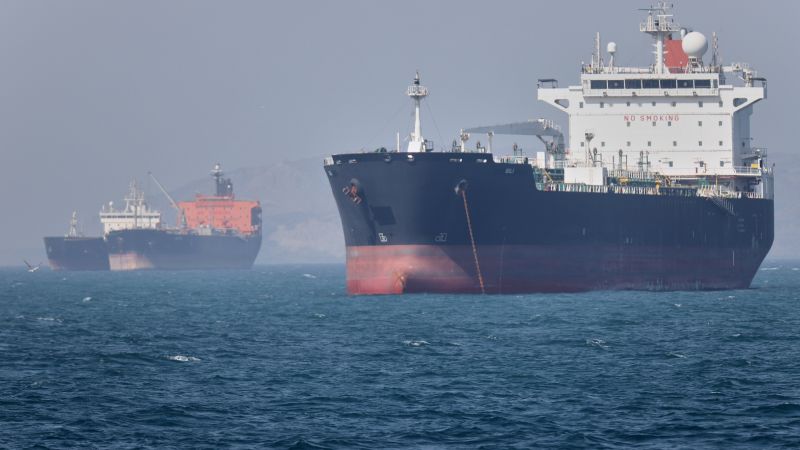
China’s Strategic Gains Amid the Iran-US Conflict
China is counting its wins – Four months after the initial US and Israeli airstrikes on Iran, the geopolitical landscape has shifted significantly. What once seemed a potential threat to China’s strategic interests has now evolved into a moment of diplomatic and economic opportunity. The conflict, which began in late February, initially raised concerns among Chinese leaders about the fragility of Iran’s government, echoing the earlier collapse of Venezuela’s regime. However, the emergence of a US-Iran interim agreement has not only preserved Tehran’s leadership but also highlighted the limits of American military dominance. This development has allowed China to position itself as a key player in the Middle East, leveraging its growing influence to shape global perceptions of power and stability.
China’s Dual Role in the Crisis
While the US and its allies engaged in military action, China maintained a nuanced stance. It publicly criticized the strikes but continued its economic ties with Iran, including purchasing oil despite US sanctions. This balancing act underscored China’s strategic calculus: supporting Iran’s survival while avoiding direct confrontation with the United States. The nation’s ability to navigate this delicate position has bolstered its reputation as a mediator in international conflicts, a role it has increasingly assumed in recent years.
“I want to thank China, President Xi … he stayed neutral, totally neutral, and I appreciate it,” said Donald Trump at a G7 press conference in France. The former president emphasized China’s restraint in not using its naval forces to challenge the US blockade on Iranian ports, a move he credited as instrumental in facilitating the peace deal.
Trump’s remarks reflect a broader acknowledgment of China’s diplomatic contributions. Despite the conflict’s economic toll, China has managed to emerge as a stabilizing force. Its strategic oil reserves, coupled with investments in green technology and electric vehicles, have shielded the nation from the worst effects of the energy crisis. This resilience has positioned Beijing as a leader in global energy markets, contrasting sharply with the challenges faced by other nations caught in the crossfire.
Behind the Scenes: Beijing’s Influence
Although China’s direct role in the agreement remains unconfirmed, its efforts have been evident in the broader diplomatic landscape. In April, President Xi Jinping unveiled a four-point peace proposal, signaling China’s commitment to de-escalation. Foreign Ministry spokesperson Lin Jian reiterated this stance, stating that Beijing is “stands ready” to assist in “restoring peace and tranquility” to the region. Yet, he left room for interpretation, highlighting the country’s “tireless” diplomatic engagement without specifying its exact impact on the negotiations.
China’s behind-the-scenes diplomacy has been a quiet but powerful force. By hosting foreign leaders—including Iranian Foreign Minister Abbas Araghchi, Pakistan’s officials, and Trump himself—Beijing has amplified its message of neutrality and global responsibility. The recent phone call between Wang Yi, China’s top diplomat, and Araghchi emphasized the importance of resolving tensions in the Strait of Hormuz, a critical chokepoint for global trade. “The dawn of peace has emerged. The key to the next step is for all parties to truly implement their commitments and eliminate interference from all sides,” Wang said, underscoring the collaborative spirit of the current phase of talks.
A Shift in Global Power Dynamics
Observers are now scrutinizing the implications of the agreement for the US’s global standing. The conflict, which disrupted energy markets and strained international relations, has exposed the limitations of American hegemony. Some analysts argue that the situation mirrors the 1956 Suez Crisis, a moment when Britain’s imperial ambitions were challenged, leading to a decline in its global influence. In a recent opinion piece in China’s state-run Global Times, Sun Degang, director of Fudan University’s Center for Middle Eastern Studies, questioned whether the US is facing a similar turning point.
“Is the scene that cast a shadow over the British Empire during the Suez crisis now being replayed for the United States in the Strait of Hormuz?” Sun Degang asked. “Since the end of the Cold War, the United States has become the world’s ‘sole superpower,’ but this time, US military power did not prove as overwhelmingly powerful as Washington had imagined.”
China’s critics, however, argue that its gains come at a cost. By supporting Iran’s survival and opposing US sanctions, Beijing has strengthened its relationship with Tehran, a strategic ally in countering Western influence. Yet, this alignment has not diminished China’s ability to act as an independent mediator. The nation’s economic strength and political flexibility have enabled it to navigate the crisis without overtly taking sides, a rare achievement in a region often divided by ideological and strategic rivalries.
From Crisis to Collaboration
The interim agreement marks a pivotal moment in the conflict, but it also raises questions about the future of US-Iran relations. While the deal has temporarily eased tensions, the long-term success of negotiations will depend on the willingness of both sides to uphold their commitments. China’s role in this process has been to encourage dialogue, rather than dictate terms. This approach aligns with its broader foreign policy of promoting multilateralism and reducing reliance on unipolar power structures.
As the conflict enters its next phase, the focus has shifted from military confrontation to economic and political cooperation. China’s strategic oil reserves, which have been a cornerstone of its energy policy, have provided a buffer against supply shocks, allowing it to maintain economic growth even as global markets fluctuated. This has positioned the country as a key player in the global energy transition, with its green technology initiatives and electric vehicle adoption serving as a model for other nations seeking to diversify their energy sources.
The contrast between China’s stability and the US’s challenges is stark. While the US grappled with the economic fallout of the conflict, China’s leadership has remained unshaken. This resilience has not only reinforced its position as a global power but also attracted the attention of world leaders seeking stability in an increasingly volatile region. The recent influx of foreign diplomats to Beijing, including Trump and Araghchi, highlights the city’s role as a hub for international diplomacy, where issues of peace and security are debated with a focus on pragmatic solutions.
Ultimately, the Iran-US conflict has served as a case study in the shifting dynamics of global power. China’s ability to maintain its interests while fostering dialogue has earned it recognition as a responsible actor in international affairs. As the world watches the next phase of negotiations, the question remains: how will the US’s role in the global stage evolve, and what lessons will it draw from this latest chapter in the conflict? For China, the answer is clear—it has emerged stronger, more influential, and ready to shape the future of Middle Eastern stability.
