
Feds charge 15 people with impeding agents during Minnesota immigration crackdown
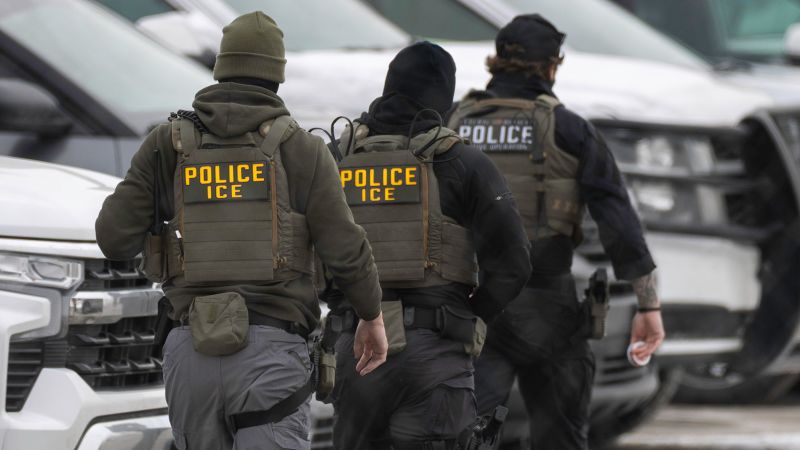
Federal Charges Against 15 Individuals in Minnesota Immigration Crackdown
Conspiracy Allegations Target Resistance to Trump’s Immigration Policies
Feds charge 15 people with impeding – Federal authorities have brought charges against 15 individuals for allegedly obstructing the Trump administration’s immigration enforcement efforts in Minnesota earlier this year. The charges, which include conspiracy to impede federal agents, accuse the defendants of working together to hinder arrests and deportations during a period of heightened enforcement activity. Minnesota U.S. Attorney Daniel N. Rosen highlighted that the investigation centered on members of “Direct Action Minnesota,” a left-leaning coalition of protest groups. The group was said to have coordinated efforts to disrupt law enforcement operations, including surveillance, strategic planning, and rapid mobilization against federal agents.
Defendants Identified as Antifa Activists
Rosen noted that some of the accused self-identified as Antifa, a broad term encompassing individuals and groups with leftist political ideologies. While Antifa is not formally affiliated with the Democratic Party, its members often share progressive views and advocate for social justice causes. President Donald Trump has previously branded Antifa as a domestic terrorist organization, citing its alleged role in targeting government officials. The prosecutors emphasized that the defendants’ actions included physical confrontations with Immigration and Customs Enforcement (ICE) agents, such as throwing blocks of ice at their vehicles and erecting barriers around federal facilities.
Operation Metro Surge and Mass Protests
The Trump administration’s Operation Metro Surge, launched in the Twin Cities, saw thousands of federal agents deployed to enforce immigration policies. This initiative sparked widespread demonstrations, with some protests escalating into confrontations. During the operation, agents traveled through neighborhoods in unmarked SUVs, occasionally breaking into homes and demanding proof of citizenship from residents. The surge also led to the fatal shooting of two U.S. citizens, a development that intensified public outcry.
Community Response and Anonymous Coordination
A large network of Minnesotans, driven by frustration with the rapid deportations and aggressive tactics, quickly emerged to counter the federal operation. This network, primarily organized through encrypted messaging groups, relied on volunteers to monitor agent movements. Citizens used car horns and whistles to alert others when agents arrived, creating a system of decentralized resistance. The effort focused on identifying and disrupting the flow of federal enforcement, with some reports indicating that agents were tracked and ambushed in residential areas.
Legal Framework and Antifa’s Role in the Crackdown
Rosen stated that the defendants’ activities constituted a federal crime, even if no one was injured. “Whether or not they caused bodily harm is secondary to the fact that they obstructed the government’s ability to carry out its duties,” he said in a statement. The investigation also uncovered evidence of coordination between the coalition and other activist groups, suggesting a broader campaign against immigration enforcement. Meanwhile, border czar Tom Homan mentioned that federal agencies were examining the organization and financial backing of the attacks on ICE, vowing to hold perpetrators accountable.
Antifa Designation and Political Controversy
Last September, President Trump signed an executive order classifying Antifa as a domestic terror group, directing federal agencies to investigate, disrupt, and dismantle its networks. This designation has drawn criticism from Democrats and civil liberties advocates, who argue that it applies a more severe label to domestic groups without clear legal precedent. While the government can designate foreign terror organizations, there is no formal process to label domestic groups as such, according to legal experts. Trump has frequently used the term to describe opposition groups, even those that do not endorse anarchist ideologies.
Investigative Scope and Ongoing Efforts
The charges against the 15 individuals reflect the extent of the federal probe into the Minnesota immigration crackdown. Prosecutors allege that the group’s activities extended beyond individual acts of resistance, forming a coordinated strategy to undermine enforcement operations. This included tactics like distributing information about agents’ schedules and organizing spontaneous blockades. Rosen noted that while the investigation has yielded arrests, two suspects remain at large, and one individual is already in custody.
Public Reaction and Broader Implications
The case has reignited debates over the balance between immigration enforcement and civil liberties. Critics argue that the aggressive tactics employed by federal agents during Operation Metro Surge, such as banging on doors and patrolling schools, contributed to the escalation of tensions. Meanwhile, supporters of the crackdown view the defendants as defenders of immigrant communities, challenging the government’s authority to deport individuals without due process. The trial may also serve as a test case for how domestic groups are treated under federal law.
Historical Context and Future Outlook
This incident is part of a larger pattern of resistance to Trump’s immigration policies, which have targeted undocumented immigrants and asylum seekers. The use of Antifa as a moniker has become a focal point in these efforts, with some activists embracing the label while others dispute its accuracy. Rosen’s comments underscore the administration’s determination to hold individuals accountable for actions that interfere with enforcement. As the trial progresses, it could influence future policies and public perceptions of organized resistance.
“Whether or not they actually cause bodily harm is not the measure of whether they committed a serious federal crime,” Rosen said during a press briefing, emphasizing the legal significance of the conspiracy charges.
Impact on Minnesota and National Discourse
The Minnesota case has drawn national attention, highlighting the intersection of local activism and federal policy. With thousands of agents operating in the Twin Cities, the state became a battleground for ideological clashes. The prosecution’s focus on coordination suggests a shift toward targeting organized groups rather than isolated incidents. This approach may set a precedent for future investigations into resistance movements.
Testifying in Support of Federal Actions
Tom Homan, the former acting chief of the U.S. Border Patrol, testified that federal authorities were exploring the financial networks behind the attacks on ICE. “They’ll be held accountable,” he said, reinforcing the administration’s stance that the defendants’ actions endangered national security. The designation of Antifa as a terror group has also provided a legal framework for framing the resistance as a threat, despite differing opinions on its classification.
Conclusion and Legal Significance
The charges against the 15 individuals represent a key moment in the ongoing conflict between immigration enforcement and activist groups. As the trial unfolds, it will likely shape discussions about the limits of federal power and the role of organized resistance in American society. The case underscores the polarizing nature of Trump’s policies and the lengths to which opponents will go to challenge them.
