
‘Spider-Man of Yemen’ dies in fall while climbing volcanic crater
‘Spider-Man of Yemen’ Dies in Fall While Climbing Volcanic Crater
Spider Man of Yemen dies in fall – Al-Qaqa Ibn Antar, a 30-year-old Yemeni climber affectionately nicknamed “The Spider-Man of Yemen,” has tragically lost his life after plummeting into a volcanic crater during a daring ascent. The incident occurred in the southern province of Dhale on Friday, as Antar tackled the vertical walls of the Hardah Dam crater, a unique geological formation near the city of Damt. Authorities confirmed the death, citing the perilous nature of his climb and the lack of safety gear as key factors. The Civil Defense Authority released a 10-second video capturing the moment of his fall, which has since sparked widespread attention.
The Volcanic Crater: A Treacherous Landscape
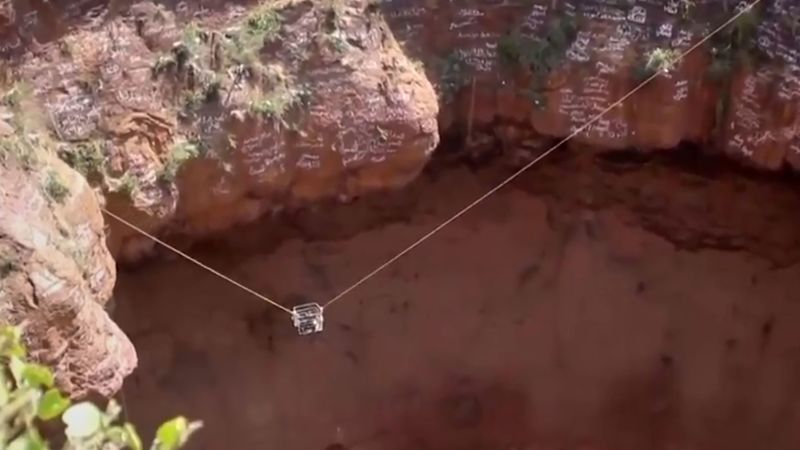
The Hardah Dam, also referred to as the Haradhat Damt, is a striking volcanic crater that has long drawn adventurers to its challenging terrain. Nestled in Yemen’s southern Dahle province, the crater features steep, rocky walls and a boiling sulfurous lake at its base. Its dramatic appearance and remote location have made it a symbol of both natural wonder and danger. Climbers often describe the site as a test of physical and mental resilience, with its unpredictable conditions demanding unwavering focus and skill. Antar’s fatal attempt to scale its cliffs without safety equipment highlighted the risks associated with such feats.
The 10-second footage, posted by the Civil Defense Authority, shows Antar navigating the rugged face of the crater with bare hands, his movements defying gravity as he clung to the rock. The video reveals Arabic names etched in white across the wall, a testament to the area’s historical significance. In the final moments, Antar is seen extending his right hand to grip the cliff, his left arm raised in a pose that resembles a superhero’s stance. The clip then captures the instant he loses his hold, tumbling into the depths below. The dramatic sequence, though brief, underscores the raw intensity of his pursuit.
A Legacy in the Digital Age
Antar’s reputation as a social media sensation was built on his high-risk climbs, which often went viral for their daring nature. His videos showcased his ability to conquer Yemen’s most rugged landscapes, from jagged mountain ridges to precarious rock formations. In one widely shared clip, he is seen hanging from the edge of a cliff, his legs dangling over a steep slope, using only his hands to maintain balance. The footage, which highlights his fearless approach, became a hallmark of his online presence and inspired a growing community of adventure seekers.
The crater’s location and the climber’s reputation made the incident particularly poignant. The event took place in a region where such feats are not only common but celebrated. Locals and climbers alike viewed Antar as a pioneer, someone who embodied the spirit of exploration in a land marked by both natural beauty and environmental hazards. His death has left a void in the local climbing scene, prompting reflections on the balance between risk and reward.
Rescue Efforts and the Aftermath
Following the fall, rescue teams mobilized to recover Antar’s body from the crater’s depths. The operation, which lasted four hours, involved divers and water specialists navigating the steep, rocky environment. The body was found at a depth of 30 meters (100 feet) beneath the surface, a testament to the crater’s formidable challenge. The authorities described the search as complex, citing the difficulty of accessing the site and the treacherous conditions that complicated their efforts.
“The crater’s rugged terrain and the presence of hot, sulfur-rich water made the retrieval process extremely demanding,” stated a spokesperson for the Civil Defense Authority. The team’s perseverance in locating Antar’s remains reflects the dedication required for such missions. The discovery has provided closure to his family and fans, but it also serves as a stark reminder of the dangers inherent in extreme climbing.
A Warning for Future Adventurers
In the wake of the tragedy, the Civil Defense Authority has issued a cautionary message to climbers and adventure enthusiasts. They emphasized the importance of adhering to safety protocols and using appropriate protective gear to prevent similar incidents. “We urge adventurers to prioritize their well-being while pursuing their passion for the sport,” the agency added. This warning comes as a critical reflection on the risks taken by individuals like Antar, who push the boundaries of human capability.
The incident has also prompted discussions about the role of social media in amplifying the risks of extreme sports. While Antar’s videos inspired admiration, they also exposed viewers to the dangers of unguarded exploration. His death has become a focal point for conversations about the need for better safety measures in regions where climbing is both an art and a test of survival. For many, his story is a cautionary tale of ambition and the price it can exact.
Antar’s legacy, however, remains indelible. His videos, which captured the essence of Yemen’s untamed landscapes, continue to inspire climbers around the world. The crater’s unique features—its vertical walls, the sulfurous lake, and the way it stands as a natural monument—have become intertwined with his story. The names carved into the rock, visible in the video, now seem like a symbolic tribute to his bravery and the challenges he faced.
As the region mourns the loss of a local icon, the crater itself stands as a silent witness to the extremes humans will go to in pursuit of adventure. The combination of natural hazards and the allure of the unknown has always drawn explorers, but Antar’s death underscores the need for vigilance. His journey, from the moment he first scaled the crater’s walls to his final fall, encapsulates the duality of human achievement and vulnerability. The crater’s depth, measured at 120 meters, and the water below, which added another layer of danger, have become central to the narrative of his untimely demise.
The incident has also raised questions about the safety standards in Yemen’s climbing community. While the country’s rugged terrain offers unparalleled opportunities for adventure, the lack of standardized equipment and training may contribute to such risks. Antar’s death serves as a poignant reminder of how quickly a climber’s courage can turn into a tragedy. Yet, even as the tragedy unfolds, his story continues to resonate, a testament to the enduring appeal of climbing and the risks that come with it.
Locals in Dhale province have expressed their grief, with many calling Antar a symbol of their region’s spirit. His ability to navigate the crater’s treacherous walls without safety gear has become a defining trait, one that has left an indelible mark on the community. The crater, once a mere geological feature, now carries the weight of his name and the lessons learned from his fall. As the world watches the aftermath of his death, the focus remains on both the tragedy and the inspiration he left behind.
Antar’s videos, which were shared widely across platforms, have not only showcased his skills but also sparked a global dialogue about the risks of adventure. His final climb, recorded in the video, has been replayed countless times, each viewing a reminder of the peril he faced. The Houthi-controlled Saba news agency reported the incident, highlighting its significance as a tragedy that has transcended local boundaries. His name, Al-Qaqa Ibn Antar, will now be remembered alongside the crater he dared to conquer, a fitting tribute to a man who lived for the thrill of the vertical.
Conclusion: A Tragic Milestone
The death of Al-Qaqa Ibn Antar marks a somber milestone in the world of extreme climbing. While his passion for the sport will always be celebrated, the incident underscores the importance of safety in an environment where the margin for error is slim. The crater, a natural marvel, has now become a place of both awe and reflection, its walls bearing the names of those who have dared to challenge it. Antar’s story will continue to be told, not just as a tale of heroism but as a reminder of the delicate balance between risk and reward in the pursuit of the extraordinary.
