
Britain has unveiled one of world’s toughest social media bans for kids. Here’s what to know
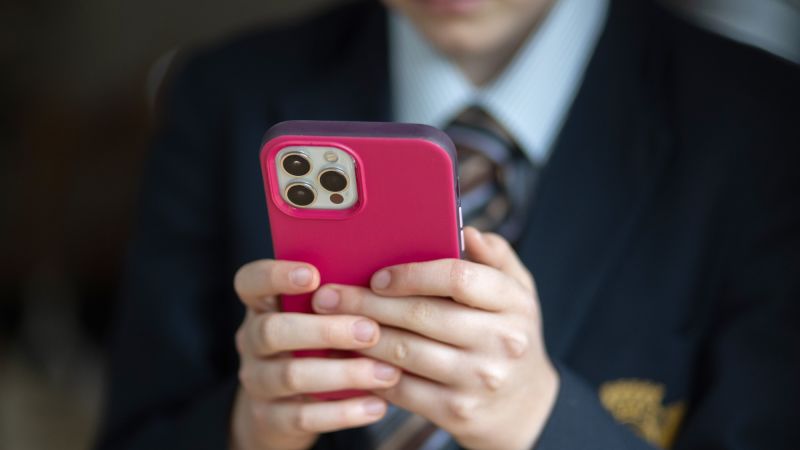
Britain Introduces One of the World’s Most Restrictive Social Media Bans for Minors
Britain has unveiled one of world – On Monday, British Prime Minister Keir Starmer declared the United Kingdom’s intent to implement a groundbreaking social media restriction targeting children under the age of 16. The plan, described as “more extensive than any nation has previously attempted,” aims to shield young users from the dangers of online platforms by limiting their access to certain functionalities. This move has sparked international attention, with several countries already taking similar steps or considering similar measures to safeguard minors in the digital age.
Scope of the Proposed Ban
The UK government outlined that the new regulations would apply to “social networking sites designed for peer interaction, which permit users to share content and integrate algorithms to personalize feeds.” This includes major platforms such as Snapchat, TikTok, YouTube, Instagram, Facebook, and X. However, messaging services like WhatsApp and Signal are exempt, as they are considered less harmful for children. The ban will not simply block access to these platforms but will restrict features that pose risks, such as livestreaming and direct communication with strangers.
“The changes will support parents navigating the complexities of online risks and give them a clearer framework to decide what is appropriate for children,” stated Starmer in a statement released on Monday.
The proposed legislation, which is expected to be debated by lawmakers before the end of the year, will introduce safeguards to be enforced in Spring 2027. The government emphasized that the plan represents a “comprehensive model” tailored to the specific ways children encounter harm online, rather than a blanket restriction on all digital activities.
Global Context and Precedents
The UK joins a growing list of nations seeking to regulate social media for younger users. Earlier this year, Spain implemented a similar ban, requiring platforms to adopt strict age verification systems. Malaysia also began enforcing its own restrictions on platforms for children in early March. France, Denmark, and Norway have announced plans to limit access to social media for minors, while Australia became the first country to enact such a measure in December 2026.
Despite these efforts, challenges persist. In a report published in March, Australia’s eSafety commissioner highlighted that many children managed to bypass the initial restrictions. A survey of 898 parents and carers of children aged 8 to 15, conducted between January 19 and February 2, revealed that approximately 70% of children who had accounts before the December 10 ban still maintain them. While the number of under-16s with social media accounts has decreased, the commissioner noted that “significant numbers” of minors remain active online, indicating the need for stronger enforcement mechanisms.
Enforcement and Collaborative Strategies
To ensure the success of the new measures, the UK government has committed to working with Ofcom, the independent communications regulator, to develop a robust enforcement strategy. Technology Secretary Liz Kendall emphasized that the country will draw lessons from Australia’s implementation, aiming to “make it far harder for children to circumvent safeguards.” This includes stricter monitoring of platforms and increased accountability for tech companies.
“We will protect them from the digital Wild West,” said Starmer, reflecting on the unregulated nature of online spaces.
Although the ban is seen as a significant step, some experts caution against overreliance on it. Lynn Perry, CEO of Barnardo’s, warned that “a ban is not a silver bullet.” She stressed the importance of holding social media companies responsible for their platforms’ safety and ensuring the government and regulators maintain strict oversight. “It is not, and has never been, children’s job to keep themselves safe,” Perry added, underscoring the need for proactive measures by the industry.
Chris Sherwood, CEO of the National Society for the Prevention of Cruelty to Children (NSPCC), praised the UK’s initiative as a “watershed moment for child protection.” However, he called for continued pressure on Big Tech to ensure compliance. “The Government must not let them off the hook,” Sherwood said, urging a bolder approach to accountability across the sector.
Parental Support and Child Charities’ Endorsement
The UK government reported that 90% of British parents support the ban, citing concerns over cyberbullying, misinformation, and exposure to harmful content. Children’s charities have also welcomed the measure, viewing it as a critical tool to reduce risks in the online environment. Yet, the effectiveness of the policy remains a topic of debate, particularly as enforcement mechanisms are still in development.
While the UK’s plan is more extensive than Australia’s, which focused solely on blocking access to 10 platforms, the UK aims to address broader aspects of online interaction. The government highlighted that the new rules will include “world-leading blocks” on features like livestreaming and stranger communication, which are often exploited by predators or spread misinformation. This approach is intended to create a more targeted and effective framework for protecting children, rather than a one-size-fits-all solution.
Challenges and Future Implications
Despite the support, the success of the ban will depend on how effectively it is implemented. Tech companies such as Snapchat, TikTok, Facebook, Instagram, and YouTube are already under investigation for potential violations of the new regulations. The UK government acknowledged that while no fines have been issued yet, the measures are being closely scrutinized to ensure compliance.
Starmer’s statement framed the ban as a necessary response to the evolving digital landscape. “Taken together, these measures will mean a much more comprehensive model than just a blanket ban on social media,” he said, emphasizing the tailored approach to online harms. However, the policy also raises questions about balancing protection with access to digital resources. Critics argue that while the ban addresses immediate risks, it may not fully account for the benefits of social media in communication and learning.
As the UK prepares to introduce the legislation, the global conversation on digital safety continues to intensify. The ban may serve as a model for other countries, but its long-term impact will hinge on the collaboration between regulators, tech firms, and parents. With the digital world growing more complex, the UK’s initiative represents a pivotal moment in the fight to protect children from the challenges of online engagement.
In the meantime, the UK’s strategy highlights a shift toward proactive regulation, moving beyond mere bans to address the root causes of harm. By combining restrictions with accountability measures, the government hopes to create a safer digital environment for the next generation. As the plan takes shape, its success will be measured not just by the number of children affected, but by the extent to which it reduces online risks and empowers families to make informed decisions about their children’s digital lives.
