
Don’t grab your bags in an airplane emergency, industry body warns
Airplane Evacuation Safety: A New Industry Alert
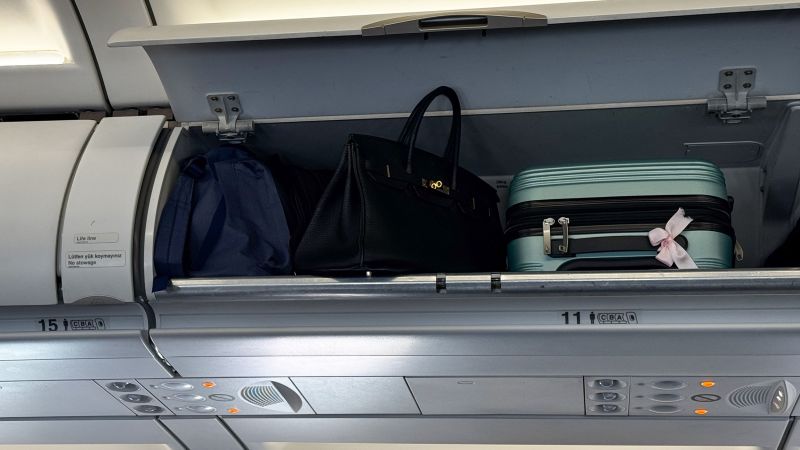
Don t grab your bags – The International Air Transport Association (IATA) has launched a fresh safety campaign, urging passengers to heed crew directives during emergencies and forgo retrieving their belongings. The initiative highlights the importance of swift action when evacuating an aircraft, emphasizing that personal items and luggage should be left behind to ensure the safety of all onboard.
Passengers Ignoring Instructions Pose Risks
Recent incidents have shown travelers taking time to collect personal items or capture evacuation footage on their phones. According to IATA, this delay could cost critical seconds, increasing the risk of harm during emergencies. Carrying bags and suitcases during an evacuation might lead to slips or block the deployment of slides, potentially endangering others. “Safety is a shared responsibility, and informed, attentive passengers help ensure a faster, safer evacuation for everyone on board,” stated Bryan Bedford from the Federal Aviation Administration in an IATA press release.
“Safety is a shared responsibility, and informed, attentive passengers help ensure a faster, safer evacuation for everyone on board.”
Security Breaches Emerge in Recent Cases
Aviation security breaches, though rare, have occurred recently. A former Air Canada pilot is facing criminal charges for operating with a counterfeit license for nearly 17 years. Canadian authorities announced this on Tuesday, noting the pilot had flown tens of thousands of passengers with the forged credentials. This incident follows a case in Houston last month, where a 25-year-old man bypassed TSA and gate agents, boarding a United Airlines flight using a suspected fake boarding pass. He was later found hiding in the plane’s bathroom.
In May, two passengers attempted to force their way into the cockpit on separate flights to Chicago and Minneapolis. While no one has breached a U.S. commercial aircraft cockpit since the September 11, 2001 attacks, experts argue that additional measures are needed to prevent such scenarios.
Enhancing Passenger Experience Through New Policies
US airports are adopting a 20th-century approach to keep families together. Several domestic hubs now permit non-ticketed visitors to accompany loved ones through security to their gates, even without a plane ticket. Seattle-Tacoma International Airport has the longest-running such program, but as of this month, 21 airports across the country offer passes to nonticketed guests. This policy aims to reduce stress for travelers and maintain family cohesion during the preboarding process.
Europe’s Controversial Approach to Family Travel
Meanwhile, in Europe, the continent’s largest airline is under investigation for charging parents to sit with their children. The UK’s competition watchdog is assessing whether this practice violates consumer laws. However, in Sardinia, authorities have taken a different stance: they banned umbrellas for individuals aged 10 to 65 on one of the island’s most popular beaches. The decision, cited as a safety measure during emergencies, has sparked debate over the need for sun protection and skin cancer prevention.
A Heroic Rescue on the Sea
Earlier this month, a German Shepherd named Bruce became a symbol of resilience after drifting miles out to sea on an inflatable kayak. A sightseeing boat crew discovered the dog along the northeast coast of England and rescued him. His owner confirmed that Bruce is now “safe and sound” at home, underscoring the importance of quick responses in unexpected situations.
Culinary Recognition and Unique Travel Opportunities
The culinary capital of South America has been named the world’s best city for food. Travelers can explore if their favorite destinations made the cut. For those who enjoy nature, a Swarovski family trust is selling a private island in the Venice lagoon for $28 million. This exclusive offering includes a global tournament, a flesh-eating parasite, an iconic church, and other unique features. The week that was also saw the announcement of a new country governed by AI, with its creator expressing mixed feelings about its potential future.
Industry-Wide Efforts to Improve Safety and Convenience
As airlines continue to refine their safety protocols, they are also exploring ways to enhance passenger convenience. The IATA’s campaign underscores the need for collective awareness, while the US airports’ policies reflect a balance between security and accessibility. In Europe, the debate over umbrella bans and cockpit access highlights the diverse strategies adopted to address travel challenges.
These developments illustrate the dynamic nature of the travel industry, where safety remains a top priority, but the experience for passengers is also evolving. From emergency evacuations to security measures and family-friendly policies, the sector is adapting to new challenges and opportunities. Whether it’s a dog stranded at sea or a city crowned the best for food, the world of travel continues to captivate with its stories and innovations.
Looking Ahead: A Focus on Preparedness and Innovation
As the industry moves forward, preparedness and innovation will be key. The IATA’s warnings, combined with the latest security measures, aim to create a safer, more efficient travel environment. Meanwhile, the sale of the Venice lagoon island and the rise of AI-governed nations suggest that the future of travel is as unpredictable as it is exciting. With every new story, the global travel community is reminded of its resilience and adaptability.
