
War-wary Hill Republicans question Trump’s Iran strategy with control of Congress at stake
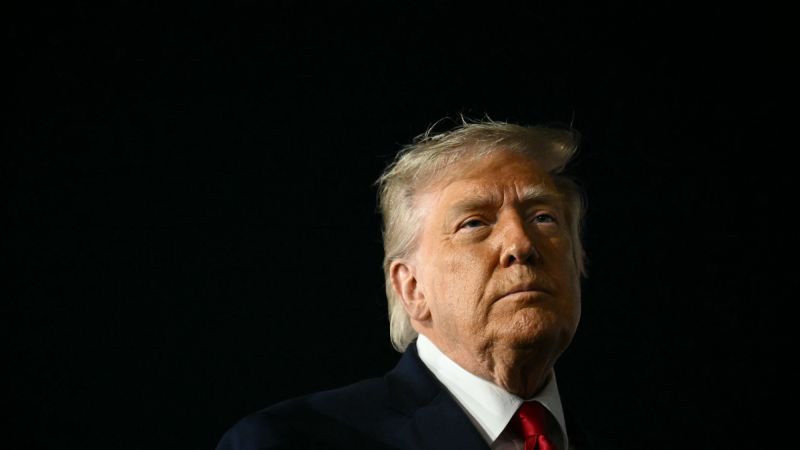
War-wary Hill Republicans question Trump’s Iran strategy with control of Congress at stake
War wary Hill Republicans question Trump – As the midterm elections approach, a faction of Republican lawmakers on Capitol Hill is growing uneasy with President Donald Trump’s inconsistent approach to Iran. The president’s fluctuating stance—ranging from threatening a military strike on an Iranian oil facility to highlighting diplomatic advancements—has sparked concerns among members about the potential consequences of escalating the conflict. These worries are intensifying as the war becomes a central issue in the political race, with many Republicans fearing it could jeopardize their majority in November.
Frustration Over Shifting Tactics
Following Trump’s latest warning to seize a key Iranian oil hub, a group of influential Republicans expressed their discontent with the administration’s lack of clarity in its strategy. From moderate voices to staunch supporters, they collectively voiced apprehension about the president’s decision to deepen the conflict without a coherent plan. This internal debate has gained momentum, reflecting broader unease about how the war might impact the party’s electoral prospects.
“I think people are really feeling it,” said Sen. Shelley Moore Capito of West Virginia. “It’s not just gas prices, food prices, and other things, and I think there’s a level of frustration. … So I think the pressure is for the president to reach a peace solution and move on.”
Rep. Jeff Van Drew, a centrist from New Jersey, echoed similar sentiments. While backing the goal of weakening Iran’s nuclear capabilities, he emphasized the need for a definitive exit strategy. “Get it done. Get out,” he said, pointing to the growing public anxiety over the war’s economic repercussions.
Economic Concerns Reshape Midterm Focus
The rising costs of gas and inflation have further complicated the situation, turning the Iran conflict into a defining issue for the upcoming midterms. Republicans are increasingly concerned that the war could alienate voters, especially those struggling with everyday expenses. This economic pressure has pushed lawmakers to demand a clear path to resolution, even as the president continues to emphasize military options.
“Makes absolutely no sense to me,” stated GOP Sen. John Cornyn of Texas. “The fact that we’re not talking about or focused on the things that most people care about at election time, kitchen table issues, I think, is a problem.”
Trump’s response to these concerns has been to propose a temporary freeze on the federal gas tax, a move that has drawn mixed reactions. While intended to alleviate consumer burdens, Republicans argue that the savings are minimal and that the administration’s broader economic messaging remains unclear. Additional initiatives, such as the anti-weaponization fund and ballroom security efforts, have also failed to resonate with lawmakers, who see them as distractions from the core issue of inflation.
Partisan Divisions Over Military Action
The debate has exposed divisions within the Republican Party, with some members advocating for a swift end to hostilities and others supporting a more aggressive approach. Lawmakers are questioning whether Trump’s strategy will align with the party’s broader messaging, particularly as the president’s rhetoric shifts from war to peace and back again. This inconsistency has led to a sense of uncertainty about how to present the war to voters.
“I don’t support boots on the ground. I don’t think America has the stomach for that,” said Rep. Nick LaLota of New York. “It’s interesting. I would like to take a look at that if such a proposal is made.”
Republican Sen. John Kennedy, a loyal Trump ally, highlighted the historical parallels between the current situation and the Vietnam War. “This is how it started in Vietnam,” he warned, referencing the economic strain and public sentiment that led to the conflict’s eventual conclusion. Kennedy’s remarks underscore the fear that Trump’s current path could mirror past mistakes, eroding public support and increasing the risk of political backlash.
Financial Pressures and Strategic Uncertainty
Adding to the pressure, the administration is seeking a significant increase in Pentagon funding, with Trump suggesting up to $350 billion for military operations. This request has raised eyebrows among lawmakers, who are skeptical of the costs associated with prolonged conflict. Many argue that the White House has not adequately communicated the financial implications of its strategy, leaving them in the dark about how the war will affect the national budget.
“I think we can lay out the case right, but we haven’t done a good job at it,” said retiring Rep. Don Bacon of Nebraska, reflecting on the administration’s efforts to justify the war. “There’s a lot of uncertainty about the long-term impact, and that’s making it harder for us to make a strong case to the American people.”
These financial concerns are compounded by the rising cost of living, which has already strained household budgets. As inflation continues to climb, Republicans are worried that the war’s economic toll will become a focal point for voters, potentially undermining the party’s campaign promises. The challenge now lies in balancing Trump’s assertive foreign policy with the domestic priorities that could determine the midterms’ outcome.
The Road to Decision
With time running out, Hill Republicans are under pressure to decide whether to support Trump’s escalation or push for a more measured approach. The recent threats to seize Iranian oil infrastructure have intensified this dilemma, forcing lawmakers to evaluate the risks and rewards of continued military involvement. Some, like LaLota, are considering opposing the administration’s plans, even if it means defying party leadership.
“I think the president has clearly decided to take the pain,” said Rep. Don Bacon, noting that Trump is prioritizing long-term gains over short-term economic stability. “He’s decided that crippling Iran permanently, if possible, is worth the costs to our economy and inflation rate.”
Despite these internal disagreements, Trump remains confident in his strategy, positioning it as essential to securing Iran’s compliance with nuclear agreements. However, the administration’s ability to unify its allies is being tested, as the war’s trajectory could either solidify Republican support or create fractures that jeopardize their congressional standing. The coming weeks will be critical in determining how the party navigates this complex landscape.
As the conflict unfolds, the Republican Party finds itself at a crossroads. While some members advocate for a definitive conclusion to the war, others see it as a necessary step in reshaping Iran’s geopolitical influence. The challenge for the administration is not only to maintain Trump’s unwavering loyalty but also to demonstrate that the war aligns with the economic and political priorities of the majority of voters. The stakes have never been higher, and the outcome could define the party’s future for years to come.
