
Judge says she doesn’t believe ‘anti-weaponization’ fund is dead; extends order blocking it
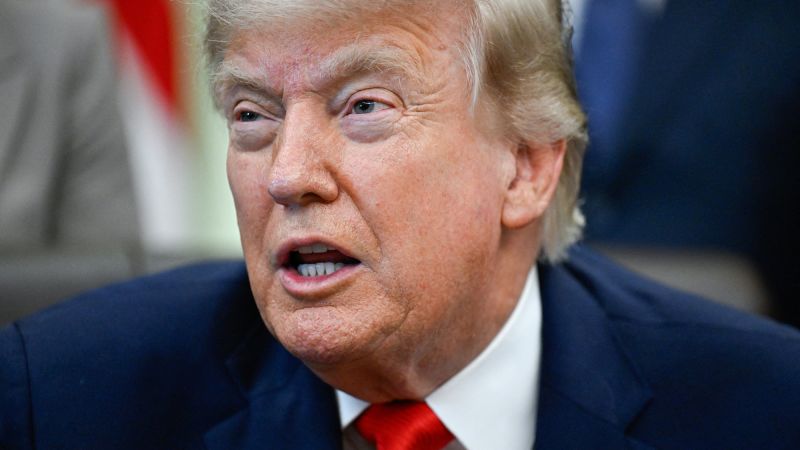
Judge says she doesn’t believe ‘anti-weaponization’ fund is dead; extends order blocking it
Ruling Blocks Anti-Weaponization Fund Indefinitely
Judge says she doesn t believe – A federal judge in the Eastern District of Virginia has ruled that President Donald Trump’s proposed $1.776 billion “anti-weaponization fund” remains alive in legal terms, issuing an indefinite injunction to halt its implementation. Judge Leonie Brinkema, appointed by former President Bill Clinton, emphasized that the fund is not conclusively terminated, citing insufficient evidence from the acting Attorney General, Todd Blanche, or others to confirm its demise. Her decision comes after a previous temporary block, which was lifted as political pressure mounted and the proposal faced bipartisan resistance.
The judge’s ruling hinges on the lack of sworn testimony from Blanche or other officials affirming that the fund is permanently dead. Despite earlier statements from Blanche to a congressional committee that the plan would not move forward, Brinkema noted that the acting attorney general has not formally declared the fund abandoned. Additionally, Trump himself has indicated a continued interest in the initiative, suggesting it could resurface in the future. This ambiguity led Brinkema to maintain the blocking order, stating that the legal case should not be dismissed until there is clear confirmation of its status.
“When the President of the United States says he wants something to happen, that’s a pretty good indicator there will be an incentive and motive to make it happen,” Brinkema remarked during Friday’s court session.
The judge also highlighted concerns about the fund’s potential impact, particularly the possibility of disbursing payments to individuals involved in the US Capitol riot. She described this scenario as “problematic,” underscoring the need for continued oversight. Brinkema has granted the Justice Department a week to submit a sworn statement from a top official affirming the fund’s permanent death. If such documentation is provided, she may reconsider the case as moot.
Context of the Temporary Injunction
The anti-weaponization fund, first proposed in late May 2026, was initially blocked by Brinkema on a short-term basis following widespread opposition from lawmakers across the political spectrum. Critics argued that the fund, which aims to compensate individuals they claim were harmed by prior federal actions, could be used to financially support those involved in the Capitol riot or other events. This temporary measure was intended to allow time for further debate and review, but the judge’s latest ruling extends the blockade indefinitely, signaling her intent to keep the proposal in legal limbo.
Blanche’s earlier testimony before a congressional committee suggested the fund would not proceed, citing a lack of consensus and resources. However, the judge noted that this statement alone is not sufficient to satisfy the legal requirements for termination. She emphasized that without a formal, sworn declaration from a high-ranking official, the fund’s status remains unresolved. The ruling also reflects Brinkema’s skepticism toward the Justice Department’s claims that the fund is dead, given the conflicting signals from Trump and Blanche.
Judge’s Reasoning and Legal Arguments
Brinkema’s decision rests on the premise that the fund’s existence is not yet settled. She pointed out that the Justice Department has not provided written evidence to reverse its previous orders, leaving the legal record incomplete. “I do not have in this record the type of uncontestable evidence that this could not be repeated,” she told Justice Department attorney Andrew Block, highlighting the need for definitive proof of the fund’s demise.
The judge also critiqued the Justice Department’s argument that the fund is dead, noting that it has not been fully substantiated. While the DOJ has claimed the initiative is no longer viable, Brinkema questioned whether this assertion is truly binding. She cited the ongoing interest from Trump and Blanche as evidence that the proposal might still gain traction, particularly if new circumstances arise or political support shifts. This reasoning underscores the judge’s focus on ensuring accountability and preventing potential misuse of taxpayer funds.
Potential for Future Resurgence
Brinkema’s ruling leaves open the possibility that the anti-weaponization fund could return in a different form or under altered conditions. She warned that without a clear legal resolution, the fund might “rear its head” again, prompting further scrutiny. The judge’s concerns align with broader debates about the scope of executive authority and the use of financial mechanisms to address past grievances. Critics argue that the fund could be leveraged to provide compensation to individuals with political or ideological ties to Trump, potentially influencing public perception of the administration’s actions.
The settlement agreement between Trump and the IRS, which established the fund, remains a central point of contention. Blanche’s testimony indicated that the agreement was no longer in effect, yet the judge’s order suggests that the legal battle over its validity is far from over. She pointed to the lack of formal rescission as a critical flaw in the DOJ’s argument, emphasizing that the fund’s status hinges on the sworn statements of officials rather than mere verbal assurances.
DOJ’s Stance and Ongoing Debate
The Justice Department has maintained that the anti-weaponization fund is no longer active, claiming that any court order is unnecessary. However, Brinkema’s latest ruling challenges this assertion, requiring the DOJ to provide definitive evidence of the fund’s death. The judge’s decision to extend the block reflects her cautious approach to ensuring that the proposal does not gain momentum without proper legal justification.
As the situation unfolds, the debate over the fund’s purpose and implications continues to intensify. Advocates for the initiative argue that it serves as a means to correct injustices from previous administrations, while opponents warn of its potential for abuse. Brinkema’s ruling adds a layer of complexity to this discussion, as it forces the DOJ to either solidify its position or face prolonged legal scrutiny. The outcome of this case could set a precedent for future executive actions, influencing how courts assess the validity of similar proposals.
With the anti-weaponization fund now under indefinite legal restrictions, the focus shifts to the Justice Department’s next steps. The agency has a week to present its case, and the judge’s decision will depend on whether it can provide the uncontestable evidence she demands. Until then, the proposal remains a subject of political and legal discourse, with its potential to resurface hanging in the balance. Brinkema’s ruling underscores the importance of transparency and accountability, ensuring that any movement forward with the fund is based on clear, documented intent rather than conjecture or public statements alone.
