
Gabbard rescinds Biden-era intel assessments that were skeptical about ‘Havana Syndrome’
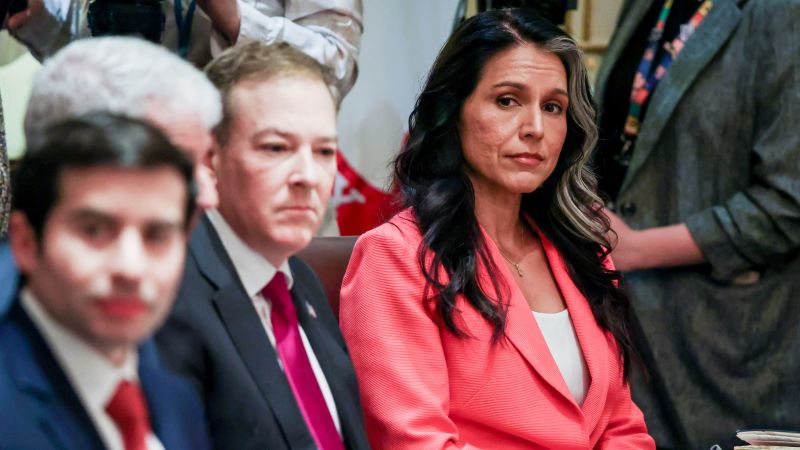
Gabbard Rescinds Biden-Era Intelligence Assessments on Havana Syndrome
Gabbard rescinds Biden era intel assessments – In what is anticipated to be her final major decision as the nation’s top intelligence official, Director of National Intelligence Tulsi Gabbard has officially withdrawn two assessments from the Biden administration that cast doubt on the existence of a puzzling illness known as “Havana Syndrome.” These evaluations, which questioned the validity of the condition, have now been replaced by revised analyses that align more closely with the claims of affected officials. The move has reignited debates about the reliability of intelligence assessments and their impact on the credibility of those who have reported unexplained health incidents.
Key Findings of the Rescinded Assessments
The Office of the Director of National Intelligence (ODNI) cited several reasons for the rescission, including the selective omission of critical evidence, the suppression of alternative explanations, and reliance on a medical study deemed ethically questionable. Additionally, the assessments were criticized for limiting intelligence collection to maintain a predetermined conclusion based on the absence of conclusive data. This approach, according to the ODNI, has been seen as undermining the thoroughness of the analysis.
Political and Analytical Divides
The controversy surrounding Havana Syndrome has long blurred conventional political lines and intensified rivalries within the intelligence community. For years, analysts have struggled to agree on a single explanation for the symptoms reported by U.S. diplomats, spies, and officials stationed in Havana and other global locations. Gabbard and her allies on Capitol Hill have argued that the earlier assessments failed to adequately address the concerns of victims and lacked transparency in their methodologies.
“This is huge news for the AHI victim community, analytic integrity, and for the American people,” said Rep. Rick Crawford, a Republican from Arkansas and chairman of the House Intelligence Committee. “These flawed, fraudulent, and manufactured Intelligence Community Assessments have caused significant harm to some of our nation’s bravest.”
Historical Context of the Illness
The mysterious ailment first emerged in late 2016, when a cluster of U.S. diplomats in Havana, Cuba, began experiencing symptoms consistent with head trauma. These included dizziness, severe headaches, and cognitive disturbances, prompting a series of investigations into the cause of the illness. Over the years, similar cases were reported across multiple countries, with victims and officials attributing the incidents to potential foreign attacks, particularly those involving directed energy weapons.
Senior intelligence officials have publicly stated that there is insufficient evidence to confirm that the symptoms were caused by a foreign adversary. However, victims have argued that the government overlooked key data suggesting Russia’s involvement. This divergence in perspectives has fueled ongoing skepticism about the intelligence community’s conclusions and the thoroughness of their investigations.
Shift in Assessments Over Time
The two assessments Gabbard is recalling highlight the evolving nature of the analysis surrounding Havana Syndrome. In 2023, the intelligence community concluded that no definitive link had been established between the illness and any foreign nation, making it unlikely that the condition was the result of a targeted campaign. By January 2025, a broader review acknowledged the possibility of a foreign actor but emphasized that the evidence remained inconclusive. This cautious stance has been a point of contention for those who believe the illness is a clear indicator of adversarial activity.
Former President Joe Biden’s CIA director, Bill Burns, initially led the effort to investigate the syndrome, assuming it was likely tied to a foreign government. However, as the analysis progressed and analysts continued to argue for the lack of definitive proof, Burns gradually adjusted his position. The ODNI’s recent decision appears to reflect this shift in perspective, with the new assessments offering a more open-ended interpretation of the data.
Challenges in Diagnosing the Syndrome
One of the primary challenges in understanding Havana Syndrome is the variability of symptoms among affected individuals. While some cases exhibit consistent patterns, others involve a mix of neurological and physical complaints, complicating efforts to determine a single cause. Intelligence officials have also noted that tests were sometimes conducted well after symptoms began, reducing the likelihood of identifying the precise mechanism behind the illness.
Additionally, the intelligence community has struggled to reconcile the diverse range of symptoms with a unified explanation. In 2022, a specialized panel concluded that pulsed electromagnetic energy—potentially emitted by external sources—could plausibly account for some of the episodes. This finding added another layer to the debate, with critics arguing that the original assessments dismissed such theories too quickly.
Legacy of the Rescission
The decision to rescind the assessments marks a pivotal moment in the ongoing saga of Havana Syndrome. By revising the earlier conclusions, Gabbard has opened the door to new inquiries into the root causes of the illness, which has been officially termed “anomalous health incidents” (AHI). While the move is seen as a victory for victims, it also raises questions about whether this change will lead to a more robust investigation or merely shift the blame to different actors within the intelligence community.
As Gabbard prepares to step down from her role later this month, the timing of the rescission has sparked speculation about the political motivations behind the decision. Some analysts suggest that the change aligns with broader efforts to support the AHI victim community and restore confidence in the intelligence process. Others, however, argue that the revision may be part of a strategic realignment within the administration, reflecting a more cautious approach to foreign threats in the wake of recent geopolitical developments.
Implications for the Intelligence Community
The rescission of these assessments underscores the dynamic nature of intelligence analysis and the influence of political priorities on scientific inquiry. By acknowledging the limitations of previous conclusions, the ODNI has signaled a willingness to revisit the evidence and consider alternative theories. This shift could have far-reaching implications, not only for the understanding of Havana Syndrome but also for the credibility of the intelligence community in the eyes of the public.
As the new assessments take effect, the focus will likely turn to whether they provide a clearer picture of the illness or introduce new uncertainties. The continued exploration of AHI cases may also prompt a reevaluation of the protocols used in diagnosing and reporting such incidents, ensuring that future analyses are more comprehensive and transparent. For now, the move has been welcomed by advocates of the victims, who see it as a step toward uncovering the truth behind the mysterious ailment that has affected so many in the U.S. government.
