
They survived one of the worst mass shootings in US history. What life looks like 10 years after Pulse
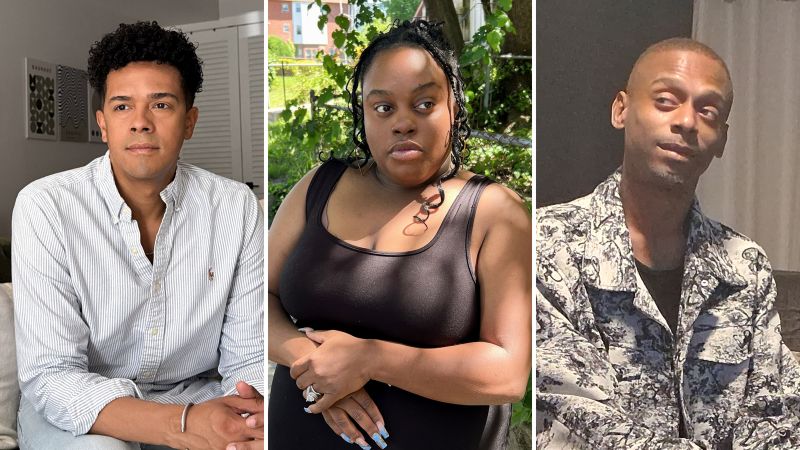
They Survived One of the Worst Mass Shootings in US History. What Life Looks Like 10 Years After Pulse
Editor’s Note
They survived one of the worst – This article contains accounts of gun violence that may evoke strong emotional responses. The Pulse Nightclub shooting remains a pivotal moment in American history, its echoes still felt by those who lived through it. On June 12, 2016, a tragic sequence of events unfolded at the club, which had been bustling with life during Pride month. The attack not only claimed 49 lives but also left more than 50 injured, marking it as the deadliest mass shooting in U.S. history and a defining act of terrorism since 9/11. Survivors, who have since navigated the complexities of healing, shared their experiences with CNN to illuminate the enduring impact of that fateful night.
The Night of June 12, 2016
As the sun dipped below the horizon, the Pulse nightclub was alive with the energy of a vibrant LGBTQ+ community. Over 300 individuals had gathered for a celebration of Latin music and shared moments, their laughter and music filling the air. Just before 2 a.m., the atmosphere shifted dramatically. A sudden burst of gunfire shattered the peace, sending shockwaves through the crowd. Keinon Carter, along with his friend Antonio Brown, had ventured into the restroom to investigate the commotion, unaware that they were about to face a terrifying reality. The pair was caught in the crossfire, with Brown succumbing to his injuries shortly after. Carter, who would later lose his friend, recalled the chaos with a mix of clarity and trauma.
The gunman, identified as Omar Mateen, was 29 at the time and had meticulously planned the attack. Over several hours, he methodically targeted patrons, leaving a trail of devastation. Law enforcement arrived with an armored vehicle, breaking through the club’s wall to subdue the shooter. By the time the gunfire ceased, the nightclub had become a memorial to the lives lost. The event deeply affected Orlando’s LGBTQ+ community, particularly its young gay and Hispanic members, who were disproportionately impacted. The FBI classified the attack as both a terrorist act and a hate crime, underscoring the intent behind the violence.
A Life Transformed
Brandon Wolf, one of the survivors, recounted how the shooting reshaped his perspective on success and life’s priorities. At the time, he was thriving in his career, having been promoted to district manager at Starbucks in Orlando. His plans included working at the company’s headquarters in Seattle and owning a home in the suburbs. However, the night of June 12 changed everything. Wolf had invited his close friend Christopher Leinonen, affectionately known as “Drew,” and his boyfriend Juan Ramon Guerrero to the club, hoping the group dynamic would ease his nerves as he met his ex-boyfriend. Yet, the meeting turned into a nightmare when the shooting erupted.
Wolf’s memory of the event is a mosaic of vivid details and fragmented recollections. He recalls the restroom where he was washing his hands, noticing a plastic cup left on the sink. The cup held lime slices and a slush of ice, creating beads of condensation. But the faces of those who fled into the bathroom with him—terrified and huddled together—have faded from his mind. “Nothing really prepares you for going out for a drink with your friends and then having to call their parents hours later to tell them their kids aren’t coming home,” Wolf reflected. The experience redefined his understanding of personal achievement and the value of relationships.
“The way that reshapes what’s important to you, the way it reshapes what you see as success in your life, is really profound.”
In the days following the tragedy, Wolf grappled with the task of crafting a eulogy for Leinonen and Guerrero. The two men had been his greatest supporters, with Leinonen recently encouraging him to dream bigger. As he prepared to speak at their joint funeral, Wolf’s thoughts were consumed by the memory of their friendship. The event had not only taken their lives but also left an indelible mark on the community, highlighting the intersection of identity, culture, and violence.
Struggles and Resilience
Survivors like Tiara Parker described how the trauma lingered, sometimes resurfacing unexpectedly. For Parker, the grief had been a weight she carried for years, only to be overwhelmed in moments of vulnerability. The attack’s legacy extends beyond individual stories, influencing the broader LGBTQ+ community in Orlando. It served as a catalyst for advocacy, with survivors working tirelessly to ensure such violence would not be repeated. Wolf, for instance, has dedicated himself to building a safer world, driven by the loss of his friend and the lives upended that night.
The Pulse shooting also prompted a reevaluation of the community’s resilience. Despite the initial shock, survivors found ways to move forward. Some focused on their physical recovery, while others channeled their emotions into activism. The club’s location, near the heart of Orlando’s gay nightlife, made the attack a symbol of both unity and vulnerability. The majority of victims were young men, predominantly gay and Hispanic, underscoring the targeted nature of the violence. This demographic detail has become a focal point for discussions on hate crimes and their societal implications.
Reflections on Recovery
As the tenth anniversary of the Pulse shooting approaches, survivors continue to reflect on their journeys. The trauma of that night has not only altered their personal lives but also inspired a new era of awareness and action. For Wolf, the experience has led to a career trajectory he once thought impossible, now driven by a desire to honor his friend’s memory. “I had a dream to work at Starbucks headquarters,” he said. “Now, that dream feels like a small step toward healing.”
Others, like Parker, have found solace in storytelling and community support. The shared grief has become a unifying force, fostering connections among those who have endured similar hardships. The shooting’s anniversary serves as a reminder of the strength and perseverance of the LGBTQ+ community, which has turned tragedy into a testament of resilience. While the scars of that night remain, survivors continue to rebuild their lives, carrying forward the lessons learned in the face of adversity.
Decades later, the Pulse nightclub stands as a place of both remembrance and celebration. Its walls now echo with the stories of those who survived, their voices a powerful reminder of the lives changed forever. The attack’s impact extends beyond the immediate aftermath, shaping the way society views gun violence, identity, and the importance of community. As survivors reflect on their paths, they embody the enduring spirit of those who refused to let fear define their future. The journey to recovery is ongoing, but the legacy of June 12, 2016, continues to inspire a movement for change and understanding.
