
FISA: What to know about the government’s key spy powers that are on the verge of expiration
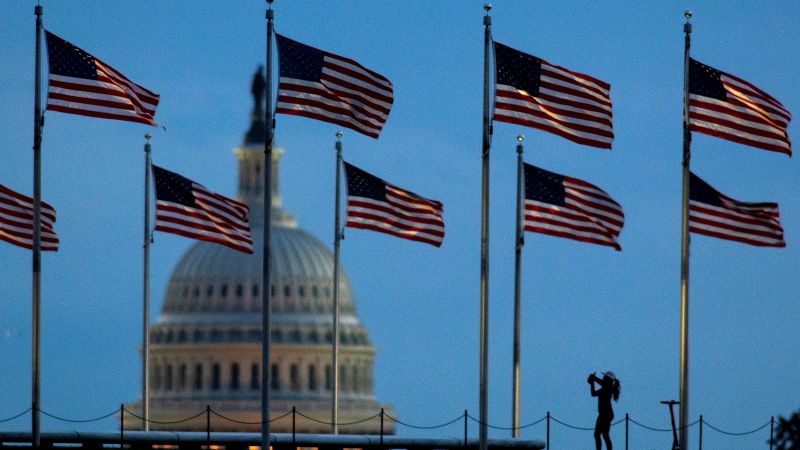
FISA: What to Know About the Government’s Key Spy Powers on the Brink of Expiration
FISA – The expiration of Section 702 of the Foreign Intelligence Surveillance Act (FISA) looms as a critical issue in U.S. national security policy, with political tensions and recent executive appointments throwing the renewal process into chaos. This provision, a vital tool for intelligence operations, has been repeatedly extended in the past but now faces an uncertain future as Congress struggles to reach a consensus. With the deadline approaching, the stakes have never been higher for policymakers, intelligence agencies, and the public who rely on the law’s capabilities to safeguard the nation.
The Surveillance Law’s Core Function
Section 702 authorizes the U.S. government to collect foreign intelligence information from non-U.S. persons by intercepting their communications. This includes phone calls, emails, and other digital messages, provided the data is obtained through the “backbone” of the internet. While the law was designed to target international threats, it has sparked debate over its reach into American citizens’ private data. Critics argue that the program can inadvertently capture information from U.S. persons, raising concerns about privacy and surveillance overreach.
Since its enactment in 2008, the law has allowed federal agencies to compel telecommunications companies and internet service providers to grant access to communications. This means that even when Americans are not the primary focus of surveillance, their data can be collected as part of broader foreign intelligence efforts. The process involves targeting foreign individuals, but the incidental collection of American data remains a contentious aspect of the program.
Political Deadlock and Leadership Shifts
The debate over Section 702’s renewal has become a flashpoint in the current political climate, with House Republicans pulling out of negotiations to avoid further votes. Speaker Mike Johnson, a key figure in the Republican leadership, has expressed frustration with Democratic tactics, stating that the situation has reached a point where additional action is unnecessary. “What more can I do?” he remarked, signaling a willingness to let the program lapse without further compromise.
“What more can I do?” said House Speaker Mike Johnson, underscoring the Republicans’ frustration with Democratic strategies that have stalled progress.
Meanwhile, the White House has also played a pivotal role in the stalemate. President Donald Trump’s decision to appoint Bill Pulte, a former director of the Federal Housing Finance Agency, as the acting director of national intelligence has added to the uncertainty. Pulte, who lacks direct experience in intelligence operations, has been positioned as a leader for the program, yet his selection has drawn criticism from lawmakers on both sides of the aisle. GOP Rep. Brian Fitzpatrick, a former FBI special agent, warned that the lapse would significantly weaken the nation’s security posture. “An expected lapse is really bad,” he said. “It makes Americans 1000% less safe.”
Fitzpatrick’s remarks highlight the broader implications of the program’s expiration. Without a renewal, intelligence agencies would lose a critical tool for tracking foreign adversaries, potentially leaving gaps in their ability to monitor global threats. The situation is particularly delicate given the approaching 250th anniversary of American independence, a milestone that has already drawn heightened attention to national security issues. Additionally, the intensifying conflict with Iran and the rising frequency of political violence have underscored the urgency of maintaining robust surveillance capabilities.
Legal and Practical Challenges
Despite the political impasse, some legal experts argue that Section 702 could still be enforced beyond its expiration date. They point to previous court decisions that have extended the law’s authority, suggesting that the government might find ways to maintain its operations. However, this argument has been met with skepticism from internet advocacy groups like Demand Progress, which have long criticized the program for its broad data collection powers. These groups contend that the government should not rely on judicial extensions to bypass legislative action.
Carriers and internet service providers, meanwhile, have raised concerns about their liability if the law expires. Without congressional approval, they may be unable to continue cooperating with intelligence agencies under the existing legal framework. This could lead to disruptions in data sharing, complicating the government’s ability to monitor global communications effectively. “We cannot be expected to carry the burden of the law indefinitely,” one industry representative noted, emphasizing the need for clear legislative direction.
Historical Context and Oversight Reports
The controversy surrounding Section 702 is not new. Since its implementation, the program has faced scrutiny from oversight bodies and civil liberties advocates. A 2023 report by the Privacy and Civil Liberties Oversight Board shed light on the program’s evolving practices, including a “highly sensitive technique” authorized in 2022. This technique allows the government to collect data from Americans with greater efficiency, raising new questions about the balance between security and privacy.
According to the report, the program’s expanded capabilities have been justified as necessary for combating modern threats, yet they also pose risks to the rights of U.S. citizens. The board’s findings have added to the debate, with some lawmakers advocating for stricter oversight and others defending the program’s utility. The report also emphasized that the government’s ability to access communications has grown more sophisticated since the law’s 2008 updates, which streamlined the process for intercepting data from the internet’s core infrastructure.
The Path Forward
With the deadline fast approaching, the future of Section 702 hinges on the ability of Congress to resolve its differences. The temporary 45-day patch secured by lawmakers offers a brief reprieve but does not address the long-term viability of the program. Without a permanent solution, the government risks losing a key tool in its counterterrorism arsenal, particularly during periods of heightened threat.
Speaker Johnson has already signaled his intent to move forward without additional votes, suggesting that the House will not reconvene during its upcoming recess to address the issue. “I pray that we do not have a serious calamity on our shores over the next few weeks,” he stated, acknowledging the potential consequences of inaction. This stance has left Democrats in a difficult position, as they must now decide whether to support the law despite its association with Trump’s leadership or risk its expiration.
The ongoing stalemate reflects a deeper divide between the two parties, with Republicans prioritizing their own procedural victories and Democrats seeking to negotiate terms that align with their privacy concerns. The law’s expiration could serve as a catalyst for broader reforms, forcing lawmakers to confront the trade-offs between national security and civil liberties. As the nation stands at a critical juncture, the fate of Section 702 remains a symbol of the challenges facing U.S. intelligence policy in an increasingly complex geopolitical landscape.
