
FBI seizes over a dozen websites it says were used by Chinese agents to recruit US officials
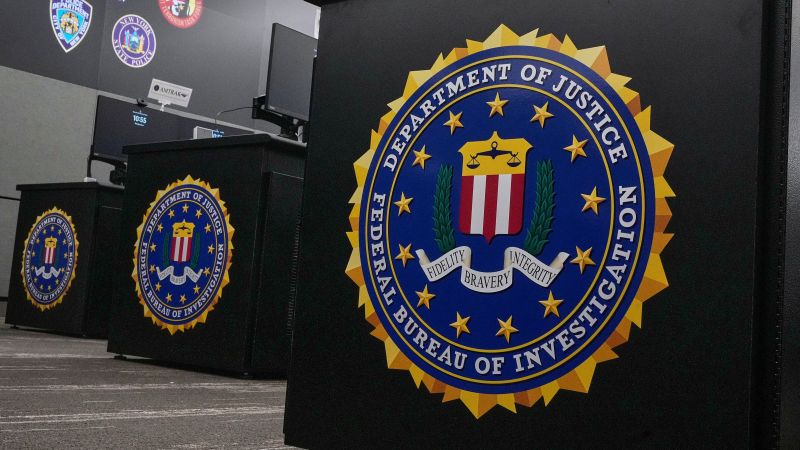
FBI Seizes Over a Dozen Websites Allegedly Used for US Official Recruitment
FBI seizes over a dozen websites – U.S. law enforcement agencies have taken control of more than a dozen websites, claiming they were exploited by suspected Chinese operatives to target American officials with security clearances. The federal investigation, spearheaded by the Federal Bureau of Investigation (FBI), suggests these online platforms served as a front for covert recruitment efforts aimed at gathering sensitive information. According to the FBI’s legal documents, the websites were used to create the illusion of legitimate job opportunities, luring individuals into sharing classified data in exchange for financial incentives.
The Role of Fake Consulting Companies
The seized sites were allegedly operated by fictional consulting firms, which recruiters used to mask their true intentions. These companies offered positions such as “International Affairs Analysts (Remote)” and “Defense Analyst,” alongside generic roles like “Consulting Positions” and “Jobs for Ex-Military Personnel.” The FBI’s affidavit states that the individuals behind the operation created these platforms to appear credible, using them to attract candidates who might have access to critical national security details.
“Several unnamed individuals used the websites as a front for fake consulting companies to recruit people in the United States to obtain sensitive and possibly classified information in exchange for monetary payments.”
Recruits and the Scope of the Scheme
The legal filings reveal that seven unnamed individuals were identified as recruits through the online campaign. These people, including current and former federal employees, were asked to provide research on topics such as China-U.S. relations, Iran, and the Israel-Palestine conflict. The recruiters reportedly pressured them to share insider insights, including strategic analyses and confidential reports, to further their agenda. The FBI asserts that the conspirators, based overseas, were acting either knowingly or unknowingly on behalf of the Chinese government, leveraging their influence to infiltrate U.S. institutions.
The recruitment strategy involved a mix of tactics, including identity theft, the use of AI-generated images and videos to enhance the authenticity of the fake profiles, and offering substantial payments for research reports. This approach aimed to create a sense of trust and legitimacy, making it easier for the conspirators to extract valuable intelligence. The payment system also relied on cryptocurrency and foreign bank accounts, allowing transactions to remain discreet and untraceable.
Previous Intelligence Reports Highlight Similar Tactics
The FBI’s actions echo earlier intelligence findings. Last year, the Naval Criminal Investigative Service (NCIS) released a report indicating that foreign actors had been actively recruiting federal employees during the Trump administration’s push for mass layoffs across government agencies. CNN reported that at least one foreign intelligence officer directed an asset to establish a LinkedIn profile and post job advertisements, specifically targeting individuals who expressed openness to employment opportunities.
The NCIS document, which CNN analyzed, described how these recruiters used social media platforms to identify potential targets. By highlighting job postings related to China, defense, and international affairs, they aimed to entice officials with security clearances into compromising their positions. The FBI now suggests that similar strategies were employed through the recently seized websites, further underscoring the persistent threat of cyber-enabled recruitment efforts.
Operational Details and Evidence of Deception
According to the FBI’s affidavit, the websites were designed to mimic real companies, incorporating copied logos, branding, and even testimonials from fictional characters in the Anchorman comedy film. These elements, including Will Ferrell’s character Ron Burgundy and Steve Carell’s Brick Tamland, were used to make the online profiles more relatable and trustworthy to potential recruits.
The investigation also uncovered that the conspirators used sophisticated methods to maintain the websites’ credibility. By replicating the appearance of authentic corporate entities, they created an environment where individuals could be misled into believing they were applying for genuine employment. The use of AI-generated media added another layer of deception, helping to portray the recruiters as credible figures within the U.S. workforce.
Legal and Financial Implications
The FBI’s legal documents emphasize the financial mechanisms behind the operation. Payments to recruits were funneled through U.S. bank accounts, with the funds originating from overseas sources. This setup allowed the conspirators to maintain a level of anonymity while ensuring that the recruited individuals received compensation for their services. The use of cryptocurrency, in particular, provided a way to bypass traditional financial tracking systems, making it harder to trace the flow of funds.
While the FBI has not confirmed that any classified material was actually shared, the operation’s structure suggests a deliberate effort to extract sensitive information. The legal filings also note that the websites were maintained with a focus on creating a seamless user experience, ensuring that candidates would not question the legitimacy of the job offers until it was too late.
Broader Context of Cyber Recruitment
Experts suggest that this case reflects a growing trend in cyber recruitment, where foreign entities exploit digital platforms to infiltrate government and corporate networks. The FBI’s actions highlight the need for vigilance in the digital age, as the boundaries between legitimate job opportunities and espionage tactics become increasingly blurred. This strategy not only targets individuals with access to classified information but also capitalizes on the global reach of online job boards, which often lack robust verification processes.
With the websites now under federal control, investigators can analyze their content and user interactions to build a clearer picture of the recruitment network. The case also raises questions about how effectively current security protocols can prevent such operations, particularly when they rely on advanced technology and international financial systems to remain undetected.
Conclusion and Next Steps
The FBI’s seizure of these websites marks a significant step in uncovering a potential intelligence operation. While the exact extent of the scheme remains under investigation, the evidence gathered so far underscores the sophistication of modern recruitment tactics. The Justice Department’s press release noted that the operators of the sites denied any connection to foreign governments, though the FBI maintains that their activities were aligned with Chinese interests.
As the investigation continues, authorities will focus on identifying all participants and assessing the potential impact of the alleged plot. The case serves as a reminder of the evolving challenges in safeguarding national security in an era of digital connectivity and global espionage. With the use of AI, cryptocurrency, and social media, the recruitment efforts highlight the need for updated counterintelligence measures to combat such threats effectively.
