
Inside the ‘highly complex’ preparations for Trump’s UFC fight: $60M for staging, port-a-potties and other logistics
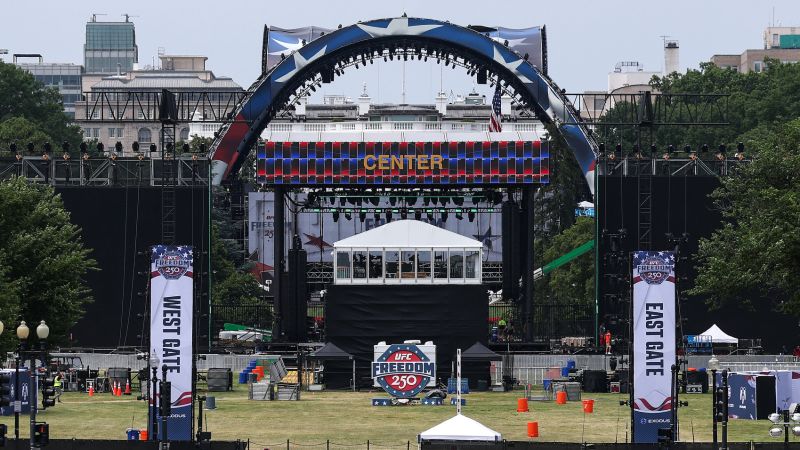
Inside the ‘highly complex’ preparations for Trump’s UFC fight: $60M for staging, port-a-potties and other logistics
Inside the highly complex preparations for Trump – Staging a televised event for over 100,000 attendees at the White House, where no permanent arena infrastructure exists, represents a monumental logistical challenge. The Trump administration’s recent court filings reveal that the Ultimate Fighting Championship (UFC) plans to host a series of events this week and through the weekend, with a total cost exceeding $60 million. This figure encompasses everything from food and the iconic octagon cage to the transportation of nearly 500 portable restrooms to accommodate the anticipated crowd. The scale of the operation has raised questions about the extent of the federal government’s involvement and the ease with which the event has bypassed standard permitting procedures.
The Event’s Scale and Cost
The White House, typically a symbol of political power, is being transformed into a temporary sports venue. According to court documents submitted by the administration on Wednesday, the event’s cost includes not only the construction of the octagon cage but also the delivery of 494 port-a-potties to the South Lawn and Ellipse. These logistical elements are critical to ensuring the comfort and safety of the large number of spectators expected to attend. The documents also indicate that the event’s programming extends beyond the main fight, featuring multiple days of activities, including press conferences, weigh-ins, and performances, all coordinated with the White House’s schedule.
Joshua Fisher, the White House management and administration director, emphasized in a sworn declaration that the event is “a highly complex, multi-faceted undertaking” requiring collaboration between public and private entities. He noted that the planning process has spanned several months, with teams working to meet tight deadlines. The cost breakdown highlights the extensive resources dedicated to the event, from the procurement of perishable food items for 4,000 guests on the South Lawn to the logistical demands of serving over 120,000 attendees at the Ellipse.
The Legal Battle and Environmental Review
The lawsuit challenging the event argues that it should not be held at the White House without undergoing an environmental review and other regulatory processes. Plaintiffs claim the UFC fight is not a celebration of the nation’s 250th birthday, as Trump originally framed it, but rather a personal event to mark his 80th birthday. This distinction, they assert, means the event should be subject to the same permitting requirements as other public gatherings.
“This is a highly complex, multi-faceted Event that has been carefully planned by a multitude of public and private entities over a significant period,” Fisher stated in his declaration. He added that the administration is leveraging a federal rule allowing events tied to America’s 250th birthday to bypass certain regulations. However, the plaintiffs argue this exemption does not apply to the UFC event, which they claim is primarily a tribute to Trump’s personal milestone.
The legal dispute has intensified as the event approaches. US District Judge Amit P. Mehta, a former Obama appointee, has yet to schedule a hearing, but the case has already prompted significant attention. The plaintiffs had requested a decision by Thursday, citing the urgency of the situation. Fisher, in his sworn statement, warned that halting the event now would impose “exorbitant costs” on all involved parties, underscoring the financial stakes of the situation.
Logistical Challenges and Federal Support
The coordination of the event has required a high level of planning and adaptability. According to the documents, logistics began before Trump’s announcement at the Iowa state fairgrounds in June 2025. Production companies were hired, permits were submitted to the National Park Service, and a custom “Claw” arched lighting structure was designed and installed. These efforts were carried out under strict security constraints, as the White House remains a high-profile target.
Despite the challenges, the UFC and the federal government have managed to streamline the process. The administration is providing emergency equipment and services, including medical support, law enforcement, and security, while the UFC bears the costs of production, labor, and promotion. Fisher noted that the event’s setup has involved daily screening of 20 to 30 trucks loaded with staging equipment and technical materials, all prior to installation on White House grounds. This coordination has required between 700 and 900 subcontractors, each playing a role in ensuring the event’s success.
Event Schedule and Entertainment
The UFC event spans multiple days, with activities planned to maximize public engagement. On Friday, a press conference and face-offs will take place at the Lincoln Memorial, followed by a ceremonial weigh-in and other events on Saturday at the Ellipse. The main event, scheduled for Sunday night on the White House South Lawn, will be attended by the president, first lady, and key officials. The programming includes military bands, a performance by the Zac Brown Band, a flyover by the Golden Knights, and the presence of Clydesdales, all contributing to the event’s grandeur.
The entertainment lineup also features a ten-minute fireworks finale, designed to captivate the audience and create a memorable experience. These elements, combined with the UFC fight card, highlight the event’s dual purpose as both a sporting spectacle and a public celebration. However, critics argue that the emphasis on Trump’s personal milestone overshadows the national significance of the 250th birthday commemorations, which the event was originally tied to.
The Cost of Rushed Planning
The $60 million figure reflects the high price of expedited planning. Fisher mentioned that the event’s preparation has involved significant coordination, particularly with the National Park Service, to secure necessary permits. The administration’s declaration acknowledges that the event’s timing—coinciding with Trump’s 80th birthday—has added pressure to the planning process. The anticipated crowd size, which grew from Trump’s initial estimate of 20,000 to the current projection of 125,000 guests, has further complicated the logistics.
While the UFC has taken primary responsibility for the event’s production, the federal government’s support is critical. The White House’s involvement ensures the event meets the standards of a presidential celebration, but it also raises questions about the balance between political symbolism and public oversight. The lawsuit, which seeks to delay the event, has highlighted the potential for oversight in using federal exemptions. The final decision by Judge Mehta will determine whether the UFC fight can proceed as planned or if additional steps are required to ensure compliance with all regulations.
As the event nears, the scale of the operation becomes even more apparent. The White House, now serving as a temporary venue, is a testament to the effort required to host such a large-scale event. From the octagon cage to the portable restrooms and the intricate coordination of security and services, every detail has been meticulously arranged. The success of the UFC fight hinges on the ability to manage these complexities without disruption, setting the stage for a historic event that blends sports, politics, and public spectacle.
Broader Implications of the Event
While the immediate focus is on the UFC fight itself, the broader implications of the event extend to the administration’s approach to public events. The decision to bypass certain permitting processes has sparked debate about the balance between efficiency and regulation. The court documents reveal that the UFC’s involvement with the federal government is not limited to logistical support; it includes a coordinated effort to ensure the event’s smooth execution. This partnership has allowed for the rapid deployment of resources, but it also raises questions about the transparency of the process.
Ultimately, the event’s success depends on its ability to meet both the expectations of the public and the demands of regulatory compliance. The administration’s declaration outlines the extensive planning and collaboration required to pull off the fight, yet the lawsuit remains a formidable hurdle. As the final days approach, the focus shifts to the culmination of these efforts—a televised spectacle
