
Trump administration proposes new rules on prediction markets that would still allow most sports activity
Trump administration proposes new rules on prediction markets that would still allow most sports activity
Trump administration proposes new rules on prediction – On Wednesday, the Trump administration introduced a series of federal regulations aimed at overseeing prediction markets, a sector that has seen significant growth in recent years. While the proposed framework appears to maintain the core operations of the industry, it introduces targeted measures to address specific concerns about market integrity. The regulations, announced by the Commodity Futures Trading Commission (CFTC), are designed to balance oversight with the continued operation of popular sports-related betting options.
According to the new rules, the majority of trades on platforms like Kalshi and Polymarket—two of the leading prediction market sites—will remain unaffected. These platforms have become central to the booming prediction market industry, with sports markets accounting for a substantial portion of their activity. Critics argue that sports betting on these sites is functionally equivalent to traditional gambling, yet the proposed regulations suggest that the CFTC is not ready to impose sweeping restrictions.
The CFTC’s proposal focuses on creating a transparent framework for federal regulators to monitor certain types of sports bets that are more susceptible to manipulation. This includes contracts related to player injuries, officiating decisions, and first-pitch predictions in baseball. Such markets, according to the CFTC, are vulnerable because they hinge on the actions of a single individual, making them more predictable and open to influence. Additionally, the rules mention markets involving player ejections and potential future bets on high school sports, which could expand the scope of regulation in the coming years.
Industry and Stakeholder Reactions
Industry leaders and some stakeholders have welcomed the new regulations as a step toward responsible oversight. However, others remain skeptical, arguing that the rules do not go far enough to address broader concerns. For instance, state regulators, members of Congress, and addiction counselors have long pushed for stricter measures to curb the risks associated with prediction markets. This includes proposals to raise the minimum age for participation from 18 to 21, as well as banning speculative bets on individual athletes. Some also advocated for a return to Biden-era policies that sought to limit betting on electoral outcomes.
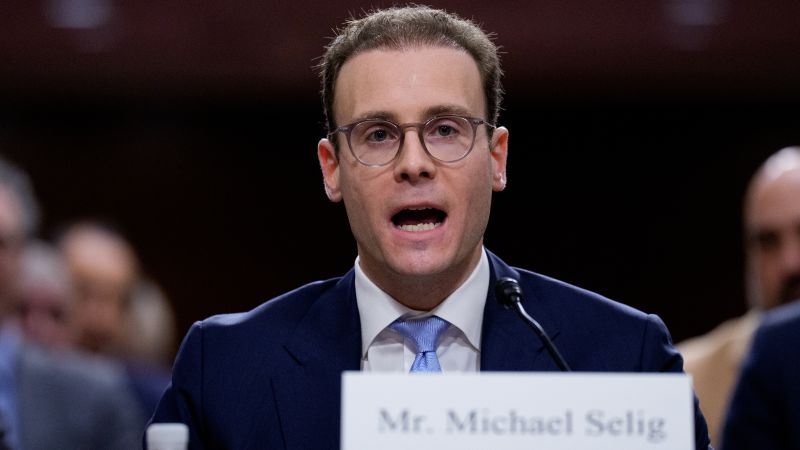
Despite these calls for more stringent controls, the Trump administration’s proposal appears to align more closely with the interests of the prediction market industry. The CFTC chair, Mike Selig, emphasized in a statement that the regulations aim to protect the integrity of the markets without stifling innovation. “This proposal gives the Commission a durable, transparent framework to identify the contracts Congress directed us to scrutinize while letting legitimate markets move forward,” he said. The rules provide a structured approach to federal oversight but leave much of the existing sports betting ecosystem untouched.
Legal Framework and Classification of Prediction Markets
Under current U.S. law, prediction markets are classified as financial instruments rather than gambling activities. This distinction is critical, as it determines which regulatory body oversees them. Unlike traditional gambling, where odds are set by the market, prediction markets operate as event contracts that allow participants to bet on the outcomes of real-world events. These contracts are structured similarly to futures trading, which is overseen by the CFTC rather than state-level authorities.
However, the debate over their classification persists. Many states have challenged the legal status of sports bets on prediction market platforms, arguing that they are indistinguishable from gambling. The proposed regulations do not resolve this dispute outright but instead provide a mechanism for federal regulators to step in and address specific vulnerabilities. For example, the CFTC could now take a more active role in monitoring contracts that are perceived as high-risk, even as the bulk of sports betting remains unregulated.
Impact on Market Participants
The new rules are expected to have a mixed impact on participants. While they allow most sports markets to continue operating, they introduce a level of scrutiny that could influence how certain types of bets are structured and advertised. For instance, markets that involve player injuries or officiating outcomes might need additional disclosures or risk assessments to ensure fairness. This could lead to changes in the way traders approach these specific contracts, though the broader sports betting landscape is likely to remain stable.
For the industry, the proposal represents a compromise between regulatory oversight and market freedom. Polymarket and Kalshi, two major platforms, have not yet issued formal comments but are likely to view the rules as a positive step. CNN, which partners with Kalshi for data coverage, also highlighted the importance of maintaining a functional market. However, the network’s editorial staff is barred from using prediction markets themselves, underscoring the cautious approach taken by media organizations.
Future Implications and Industry Outlook
Although the proposed regulations are seen as a moderate update, they could pave the way for more targeted interventions in the future. The CFTC’s ability to monitor and regulate specific contracts may lead to additional measures, such as enhanced reporting requirements or stricter enforcement for manipulative practices. Industry experts suggest that the rules are a starting point, with the potential for further refinements as the market evolves.
Meanwhile, the debate over the classification of prediction markets is expected to continue. The CFTC’s role in overseeing these platforms could lead to increased federal involvement, potentially shifting the balance of power between state and federal regulators. As the industry grows, the challenge will be to maintain its innovation while addressing concerns about consumer protection and market fairness. The Trump administration’s proposal sets the stage for these ongoing discussions, offering a framework that prioritizes stability without eliminating the creative potential of prediction markets.
With the rules now in place, the next steps will involve implementation and monitoring. The CFTC will need to work closely with market participants and stakeholders to ensure the regulations are effective in curbing manipulation while supporting legitimate activity. As the sector continues to expand, the interplay between federal oversight and state-level policies will remain a key factor in shaping the future of prediction markets.
