
Trump indicates to Speaker Johnson he won’t back down on Pulte despite fight over key surveillance authority
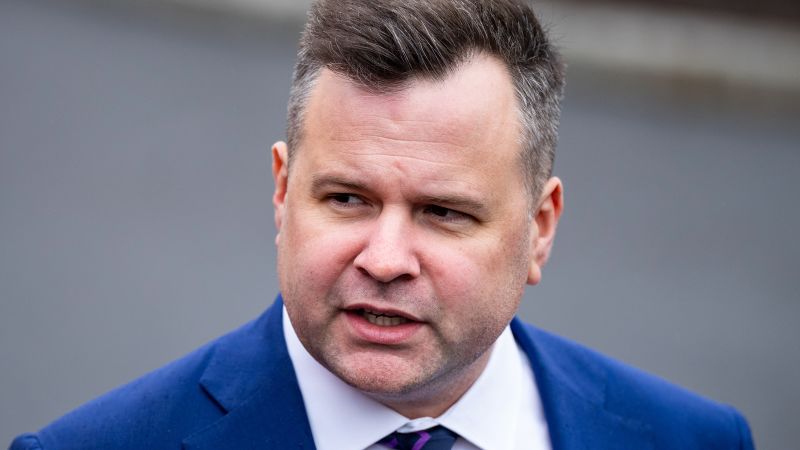
Trump Signals No Retreat on Pulte Despite FISA Showdown
The FISA Crisis Intensifies
Trump indicates to Speaker Johnson he won – President Donald Trump signaled to House Speaker Mike Johnson his resolve to keep Bill Pulte as acting director of national intelligence despite the FISA showdown. During a Tuesday meeting, Trump emphasized his stance on maintaining Pulte’s position, even as Democrats threatened to block the renewal of the Foreign Intelligence Surveillance Act’s Section 702. The tension has escalated rapidly, with Republicans scrambling to prevent a potential lapse in the vital surveillance authority. The White House’s decision to elevate Pulte has drawn sharp criticism, as his limited experience in national security matters raises concerns among lawmakers. However, Trump remains steadfast, framing Pulte’s appointment as a necessary step to secure the intelligence community’s stability.
Pulte’s Role and the Political Implications
Trump indicates to Speaker Johnson that Pulte’s elevation is a strategic move to hold the line on key surveillance powers. The acting director, a former housing official, has become a focal point in the GOP’s efforts to avert a FISA shutdown. Trump’s allies argue that Pulte’s temporary role allows the administration to maintain control without immediate concessions. Yet, the timing of the decision has sparked debate, with some Republicans questioning whether it weakens the party’s ability to broker bipartisan support. The president’s confidence in Pulte’s ability to manage the intelligence agency under pressure has also drawn mixed reactions from within his own ranks.
“This is the most critical national security tool we have. We cannot go dark, ever. Especially when we have America’s 250 and FIFA coming now, like this week,” said Rep. Brian Fitzpatrick, highlighting the urgency of the FISA extension.
The Looming Deadline and GOP Strategy
FISA’s Section 702 is set to expire in just days, creating a ticking clock for lawmakers. Trump’s decision to appoint Pulte as acting DNI has been positioned as a way to ensure continuity in intelligence operations. House Speaker Mike Johnson, a key ally of Trump, has privately supported the move, though he has not publicly endorsed it. The administration’s approach has been to frame Pulte’s role as a temporary measure, with plans to nominate a permanent director in the near future. This strategy aims to avoid massive firings that could destabilize the intelligence community and damage its operational capacity.
Democrats’ Revolt and the Stalemate
Democrats have intensified their push to replace Pulte, viewing his appointment as a political maneuver to delay the FISA renewal. The revolt has stalled progress on a bipartisan agreement, which was previously seen as a viable path to securing the surveillance authority for three years. Senate Majority Leader John Thune, a traditional ally of the president, has expressed frustration over the impasse, warning that the stalemate could undermine national security efforts. The debate has also highlighted the growing divide between Trump’s hardline approach and the cautious optimism of moderate Republicans and independents.
Trump’s Rationale and the Broader Context
Trump indicates to Speaker Johnson that his focus on Pulte is part of a larger effort to assert control over the intelligence community. The president believes that Pulte’s brief tenure will serve as a transitional phase, allowing him to evaluate the acting director’s performance before making a permanent appointment. This rationale aligns with Trump’s broader strategy of using key positions to negotiate leverage in legislative battles. While some lawmakers argue that Pulte’s lack of expertise could hinder the intelligence community’s effectiveness, Trump insists that his choice reflects the best interests of the nation. The White House has also warned that Democrats’ resistance could force a shutdown of FISA, leaving the U.S. vulnerable to foreign intelligence threats.
The Path Forward and Political Risks
As the deadline approaches, GOP leaders remain committed to Trump’s plan. Speaker Johnson has worked behind the scenes to rally support, arguing that the FISA extension is essential for maintaining America’s global intelligence capabilities. However, the political risks of this strategy are evident. By prioritizing Pulte’s elevation, Trump may be alienating moderate Republicans and independents, who are crucial for passing critical legislation. The situation underscores the delicate balance between maintaining party unity and addressing national security priorities. Despite the challenges, Trump’s message to Speaker Johnson is clear: he is prepared to press forward without compromise, even as the FISA crisis tests the resilience of the GOP’s leadership.
