
Bari Weiss and the CBS cloud hanging over the Paramount-Warner Bros. merger
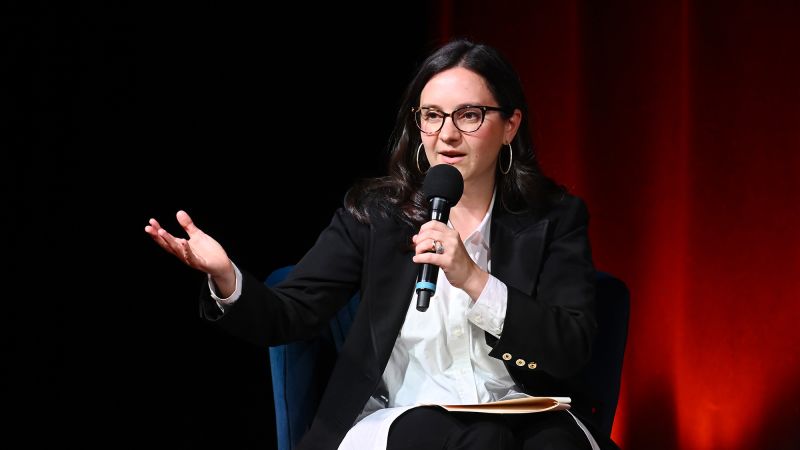
Bari Weiss and the CBS Cloud Hanging Over the Paramount-Warner Bros. Merger
The Fallout at CBS News and Its Impact on the WBD Deal
Bari Weiss and the CBS cloud – As the Paramount-Warner Bros. Discovery merger inches closer to completion, the recent upheaval at CBS News has cast a shadow over the deal’s prospects. The Financial Times recently highlighted the tension within the network, describing it as “Inside the CBS mutiny against Bari Weiss and David Ellison.” Meanwhile, the Los Angeles Times pointed out that “In Hollywood, image is everything. And David Ellison has an image problem.” These headlines underscore the growing scrutiny surrounding the merger, particularly in the wake of high-profile changes at “60 Minutes” and the public fallout from Scott Pelley’s interview.
Scott Pelley, a veteran anchor of the CBS flagship program, became a focal point of the controversy when he publicly criticized the network’s leadership. In a recent interview, he claimed that CBS News was “on fire,” a metaphor that has sparked debate about the network’s direction under the ownership of Paramount. The executive involved in the merger, speaking anonymously, noted that “legally speaking, it doesn’t matter” whether CBS News faces internal strife. This is because antitrust regulators are evaluating the merger based on market competition, not journalistic integrity. However, the PR implications of these events could influence public perception of the deal.
Political Tensions and the Bari Weiss Experiment
Bari Weiss, the former editor-in-chief of CBS News, has been at the center of the network’s transformation since her appointment. Critics argue that her leadership has steered the network toward a more politically aligned stance, particularly with its embrace of conservative viewpoints. This has led to accusations that Weiss is serving as a “thumb on the scale” for the Trump administration, according to Scott Pelley. While a CBS News spokesperson dismissed Pelley’s claim as “not credible,” the debate over her influence continues to shape the narrative around the merger.
Analysts and media observers have framed this period at CBS as the “Bari Weiss experiment,” a term that encapsulates the network’s attempt to redefine itself under new ownership. Yet, the experiment’s purpose and success remain unclear. Some believe Weiss’s role is to align CBS with the political agenda of David Ellison and his family, while others see it as a strategic move to modernize the network’s content. The lack of consensus has fueled criticism, with some accusing the network of prioritizing partisan messaging over balanced reporting. This internal conflict has not only raised questions about CBS’s editorial direction but also about the broader implications for the merger.
State-Level Challenges and the Role of Antitrust Regulation
While federal regulators are focused on the merger’s antitrust implications, the battle for its approval may be decided at the state level. A coalition of Democratic attorneys general, including California’s Rob Bonta and New York’s Letitia James, is preparing to challenge the deal. These officials argue that the merger would reduce competition, harm wages, and lead to job losses in the media sector. Bonta, who is running for reelection this fall, has positioned the lawsuit as a way to rally progressive voters against what critics call a “Trump-shaped cloud” over the merger.
“Opposing this deal means opposing expanded consumer choice, new opportunities for creators and workers, and greater competition throughout the creative ecosystem,” said a Paramount spokesperson. This statement reflects the company’s defense of the merger as a boon for media innovation. However, the Democratic base is skeptical, viewing the deal as a proxy for the broader political struggle between progressive values and right-wing influence. The potential legal battles highlight how the merger’s success may hinge on its ability to withstand criticism from both sides of the aisle.
European Union Approval and Market Concessions
The merger also faces scrutiny from European regulators, who have set a July 7 deadline to either approve the deal or initiate a deeper review. Bloomberg’s Samuel Stolton reported that Paramount has made a concession to the EU, stating that the company is “prepared — if necessary — to divest some children’s TV network assets.” This move is seen as a strategic effort to secure regulatory approval, even if it means parting with properties like Cartoon Network.
Despite these concessions, the merger’s challenges remain significant. The amount of time, money, and effort invested in the deal underscores its importance to Paramount and Warner Bros. Discovery. “Ellison is, above all, battle hardened,” wrote Charlie Gasparino in the New York Post. The CEO and his father, Larry Ellison, have been steadfast in their belief that the merger is essential to rebrand CBS and transform its media landscape. However, the recent turmoil at CBS News has introduced uncertainty about whether this vision is achievable.
Market Reactions and the Path Forward
Public sentiment has not been lost on the stock market. News of the looming state AG lawsuit pushed Paramount shares below $10, though they rebounded somewhat by Monday. Analysts at Raymond James noted that “the deal is likely to close” but warned that the third-quarter 2026 closing guidance might be overly optimistic. The company’s resilience in the face of these challenges suggests confidence in the merger’s eventual approval, but the political and public backlash continues to test its waters.
As the merger progresses, the question remains: Is Bari Weiss a catalyst for change or a distraction that could derail the deal? Her tenure at CBS News has been marked by significant shifts in editorial direction, which some see as a bold reimagining of the network’s role in the media landscape. Others, however, argue that her influence has created an environment of division, with critics questioning whether her political alignment is compromising CBS’s credibility. This debate is likely to persist as the merger moves forward, shaping not only the network’s future but also the broader perception of the deal itself.
“Legally speaking, it doesn’t matter,” said an executive involved in the mega-merger. “But PR-wise, it might matter.”
“The same Trump billionaire buddy behind the CBS MAGA makeover is now coming for CNN,” said the Freedom of the Press Foundation.
“Opposing this deal means opposing expanded consumer choice, new opportunities for creators and workers, and greater competition throughout the creative ecosystem,” said a Paramount spokesperson.
In the end, the Paramount-Warner Bros. Discovery merger represents more than just a business transaction. It symbolizes a broader cultural and political shift, with CBS News serving as both a battleground and a barometer of public opinion. As the merger’s final stages unfold, the network’s ability to navigate its internal challenges will be a key factor in determining its long-term success. Whether Bari Weiss’s influence is a positive force or a growing liability remains to be seen, but one thing is clear: the deal has become a lightning rod for debate in the media and political arenas.
