
Trump’s doctor recommends he lose weight and exercise more but says he is in ‘excellent health’
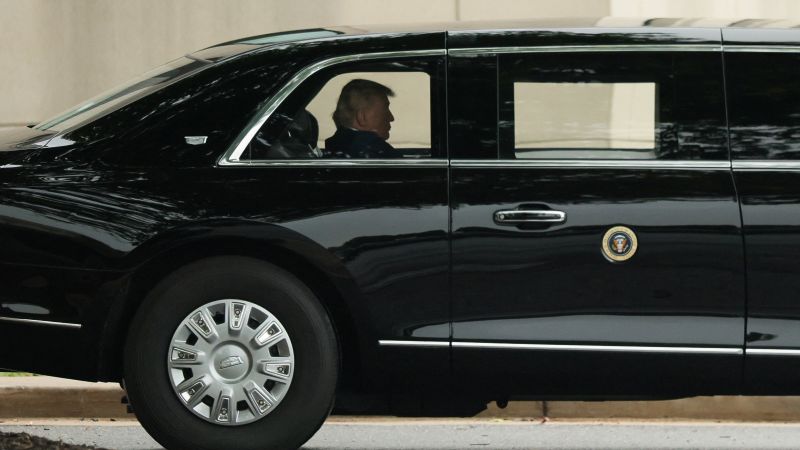
Trump’s Doctor Recommends Weight Loss and Exercise, Yet Maintains He’s in ‘Excellent Health’
Trump s doctor recommends he lose – On late Friday evening, the White House unveiled the findings from President Donald Trump’s recent May physical, releasing a memo from his physician that outlined a range of recommendations while affirming his overall health. The document, penned by White House physician Dr. Sean Barbabella, highlighted that Trump’s health status remains ‘excellent’ despite his continued weight gain and sedentary lifestyle. This update follows a series of medical assessments since he became the oldest president ever inaugurated in 2025.
Health Assessments and Recommendations
Barbabella’s letter emphasized that Trump’s health is robust, with strong performance in cardiovascular, respiratory, neurological, and general physical health. However, the doctor also provided specific guidance, urging the president to adopt a healthier lifestyle. This included dietary adjustments, increased physical activity, and a recommendation to continue weight loss efforts. Additionally, the physician suggested taking a low-dose aspirin as part of preventive care, though the exact dosage was not specified.
During the examination, Trump’s weight was recorded at 238 pounds, up from 224 pounds in April. The White House noted that his height remains at 6 feet 3 inches, which, when combined with his current weight, places him in a category that could be addressed through more exercise and mindful eating. The doctor’s memo also mentioned the president’s slightly improved condition compared to the previous year, with ‘slight lower leg swelling’ observed, though it is less pronounced than in prior assessments.
Swelling and Chronic Venous Insufficiency
Trump’s physical exam included an evaluation of swelling in his legs and ankles, a concern that had previously drawn public attention. The White House attributed this to a condition known as chronic venous insufficiency, in which the valves in veins do not function properly, allowing blood to pool. This condition is common among individuals with prolonged standing or sitting, but its presence in a leader raises questions about physical endurance and mobility.
Although the doctor noted that Trump had attempted to wear compression socks to alleviate swelling, he found them uncomfortable. This detail suggests a struggle between medical advice and personal comfort, a theme that has emerged in his health management. The memo also pointed out that the president’s condition has improved since his last visit to Walter Reed National Military Medical Center, marking the third such examination since his inauguration.
Aspirin Use and Health Risks
Barbabella’s letter highlighted that Trump currently takes aspirin, a common medication for preventing blood clots. However, the president has publicly stated that he consumes a higher dose—325 milligrams daily—than the typical 81 milligrams recommended for preventive use. This discrepancy has sparked debate among medical professionals about the potential risks, including an increased chance of bleeding.
Trump explained his rationale for the higher dosage in a January interview with the Wall Street Journal, stating that he prefers ‘nice, thin blood’ flowing through his heart. While this aligns with the known effects of aspirin, the doctor’s note did not clarify the recommended dosage, leaving room for interpretation. The White House has consistently defended the president’s health, even as new details emerge, including visible bruising on his hands that has been linked to frequent handshakes.
Cognitive Function and Psychological Health
As part of his comprehensive health evaluation, Trump underwent the Montreal Cognitive Assessment, a 10-minute test designed to detect mild cognitive impairment and early signs of dementia. The doctor reported that the president scored a perfect 30 out of 30, indicating no detectable decline in mental function. This result is particularly significant given the scrutiny surrounding his cognitive abilities in recent years.
Despite this, the White House has faced pressure to provide more transparency about the president’s health. The latest physical exam was part of a broader effort to address public concerns, as the administration has released additional details since Trump returned to the White House in 2025. The exam included routine dental and medical assessments, even though he had already visited a dentist in Florida twice that year.
Health as a Political Narrative
Trump’s health has become a central element of his political narrative, with the White House carefully managing how information is presented. While the doctor’s memo praises his physical condition, the recommendations for weight loss and exercise underscore the ongoing efforts to maintain his health. The president’s public comments, such as his declaration that ‘Everything checked out PERFECTLY’ after the exam, further reinforce this message.
Some analysts argue that the emphasis on ‘excellent health’ serves as a strategic response to criticisms of his fitness and vitality. The memo’s wording, which highlights Trump’s readiness to perform presidential duties, may be designed to counter skepticism. However, the inclusion of specific health issues—like swelling and bruising—suggests that the administration is balancing transparency with the need to maintain a positive image.
Barbabella’s report also addressed Trump’s cardiac health, noting that an electrocardiogram (ECG) analysis estimated his cardiac age to be approximately 14 years younger than his actual age. This finding is significant, as it indicates that the president’s heart function is comparable to someone much younger, despite his weight and age. Yet, the doctor’s statement does not explain how this is achieved, prompting further questions about the interplay between lifestyle and medical outcomes.
Legacy of Health Concerns
Since his presidency began, Trump’s health has been a recurring topic of discussion, with his physical condition often scrutinized in the media. The latest memo, however, seems to offer a more detailed and nuanced account, reflecting the administration’s growing emphasis on health as a political asset. The president’s willingness to undergo multiple examinations at Walter Reed National Military Medical Center underscores the importance of these assessments in shaping public perception.
While the doctor’s recommendations for lifestyle changes may appear to be a critique, they are framed within the context of maintaining his ‘excellent health.’ This duality—of being in top physical shape while facing specific health challenges—has become a defining aspect of his tenure. The White House’s decision to release this information in detail suggests a proactive approach to addressing concerns, even as it continues to highlight the president’s resilience and capability.
As the 2026 election approaches, health remains a key factor in political strategy. The administration’s portrayal of Trump’s condition as ‘excellent’ aligns with broader efforts to project strength and leadership. Yet, the inclusion of specific health metrics, such as his weight and cardiac age, invites deeper analysis of how his health is being managed. These reports may serve as a tool to both reassure the public and keep the narrative of his vitality intact.
In conclusion, the latest physical exam reflects a blend of medical advice and political messaging. While Trump’s doctor advocates for weight loss and increased exercise, the assessment overall paints a picture of a leader in excellent health. The details provided by the White House—ranging from chronic venous insufficiency to cognitive performance—paint a complex portrait that balances transparency with the need to uphold the president’s image as a fit and capable leader.
