
‘It’s insulting’: Ferrari fans have given their verdict on its first electric car, and it’s not good
Ferrari’s Electric Debut Sparks Controversy: Fans Criticize Design and Cost
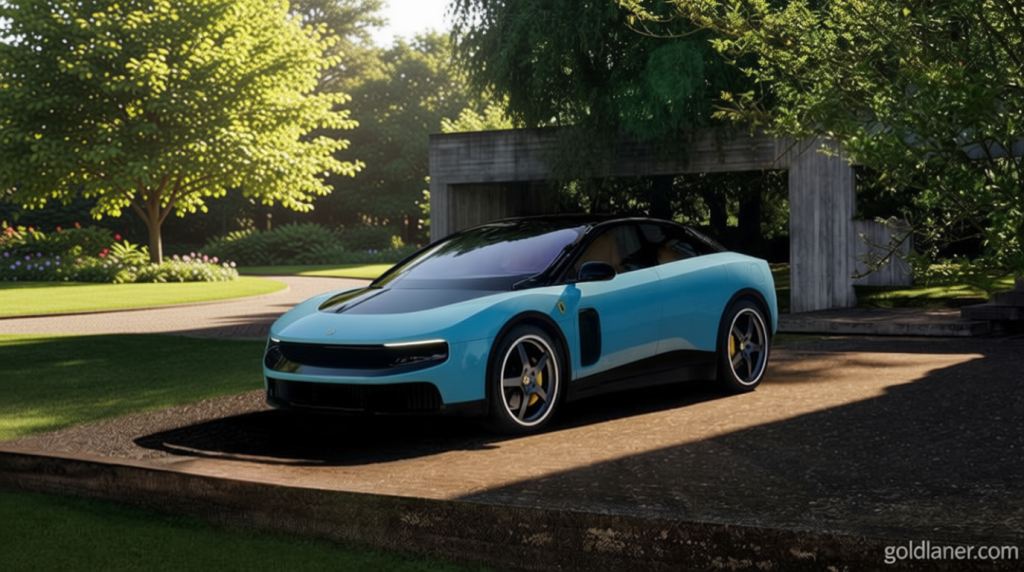
It s insulting – Ferrari’s first electric vehicle, the Luce, has faced immediate backlash from its loyal fanbase. The car, unveiled this week by the iconic Italian automaker, has been labeled “outrageously expensive” and “insulting” to long-time owners. Critics argue that its design, described as bubble-like and uncharacteristically plain, fails to capture the brand’s signature elegance. While some hail the Luce as a bold step into the future of automotive innovation, others are quick to dismiss it as a departure from what Ferrari represents.
Design Criticism: A Clash with Tradition
The Luce’s aesthetic has drawn particular ire. British car magazine *Auto Express* called it the “Apple car that no one wanted,” a nod to former Apple design chief Jony Ive, whose team contributed to its sleek yet minimalist look. This comparison to the Nissan Leaf—known for its utilitarian design—has been a recurring theme among detractors. “It looks like a Nissan Leaf,” said US automotive expert Lauren Fix on CNN’s *Quest Means Business*. “For someone who owns a Ferrari, that’s not just a design choice—it’s a statement of disrespect.”
Fix’s comments reflect a broader sentiment among traditionalists. “I’m a Ferrari owner, so I will tell you, it’s insulting to those of us that have these cars,” she said, emphasizing that the Luce’s appearance seems out of place for a brand synonymous with high-performance and sporty aesthetics. The car’s design, while modern, lacks the aggressive curves and iconic Ferrari styling that have defined the marque for decades. Instead, it opts for a rounded, boxy silhouette that some argue is unexciting and derivative.
Price Tag and Market Reactions
Ferrari’s pricing strategy for the Luce has also come under scrutiny. At $640,000, the car is positioned as a premium electric supercar, but its cost has raised eyebrows. “It’s a luxury item, but the price feels disconnected from its value proposition,” noted an industry analyst. The Luce’s hefty price tag contrasts sharply with the Nissan Leaf, which costs less than a tenth of that amount. This disparity has fueled debates about whether Ferrari is prioritizing innovation over affordability.
Market reactions have been swift. Ferrari’s share price dropped over 8% on the Milan stock exchange following the announcement, signaling investor concern. However, the decline has since partially stabilized, though the company’s market value has still lost around €5 billion. “The backlash has centered on whether the Luce still looks and feels like a Ferrari,” explained Horst Schneider, head of European automotive research at Bank of America. Despite this, he suggested the risk to Ferrari’s reputation was “manageable” given the brand’s diverse product lineup.
Technical Specifications and Brand Ambitions
While the Luce’s design has been a lightning rod for criticism, its technical features are impressive. The car boasts four electric motors, a top speed of 190 mph, and a range exceeding 300 miles. These specs position it as a strong contender in the EV supercar segment. To preserve the driving experience that defines Ferrari, the vehicle also includes artificial engine vibrations and sound, a nod to the brand’s heritage of mechanical thrill.
Despite these innovations, the Luce’s success hinges on its ability to satisfy both design purists and eco-conscious buyers. As the first five-seater from Ferrari, the Luce aims to attract families with significant financial resources. However, some question whether the brand’s shift to electric power will alienate its core audience. “Ferrari felt the need to create an electric car, but consumers may hesitate at the price,” warned Fix. Her remarks align with concerns that the Luce could be seen as a compromise rather than a true evolution.
Public Sentiment and Industry Shifts
Italian officials have echoed the criticism. Transport Minister Matteo Salvini tweeted on X, “Outrageously expensive (550,000 euros!) and, from an aesthetic point of view, it speaks for itself… It looks like anything but a car from the prancing horse.” Salvini’s post highlights the divide between Ferrari’s traditional image and its new electric offering. “This isn’t just about style—it’s about identity,” he added, suggesting the Luce might not resonate with the country’s automotive culture.
The Luce’s launch comes at a time when the automotive industry is rapidly embracing electrification. Companies like Porsche have even scaled back their EV ambitions, raising questions about whether Ferrari’s commitment to the technology is a strategic move or a reaction to market pressures. For Ferrari, the challenge lies in balancing its storied legacy with the demands of a changing industry. “The Luce is a statement of intent,” said Schneider. “But it also requires the brand to redefine what a Ferrari means in the modern era.”
Looking Ahead: Can Ferrari Adapt?
As the Luce enters the spotlight, its fate will depend on how Ferrari navigates the intersection of tradition and innovation. While the car’s design and price may have sparked controversy, its performance capabilities and technological advancements could win over skeptics. “The key for Ferrari is to maintain the emotional connection that has driven its success for generations,” Schneider emphasized. “Electric vehicles are the future, but they must still evoke the same passion as their gasoline-powered predecessors.”
For now, the Luce stands as a polarizing symbol of Ferrari’s electric transformation. Its unveiling has reignited discussions about the brand’s identity and its place in the evolving automotive landscape. Whether it will be celebrated as a visionary step or remembered as a misstep remains to be seen. One thing is clear: the reaction has been immediate, and the stakes for Ferrari’s future are higher than ever.
As the debate continues, the Luce serves as a case study in how even the most revered brands must adapt to new trends. While some fans may view it as a betrayal, others see it as a necessary evolution. The car’s ability to bridge the gap between heritage and modernity will ultimately determine its legacy. For Ferrari, the challenge is not just to build a car that performs but to create one that honors its past while embracing the future.
