
Tracking Trump’s retaliation
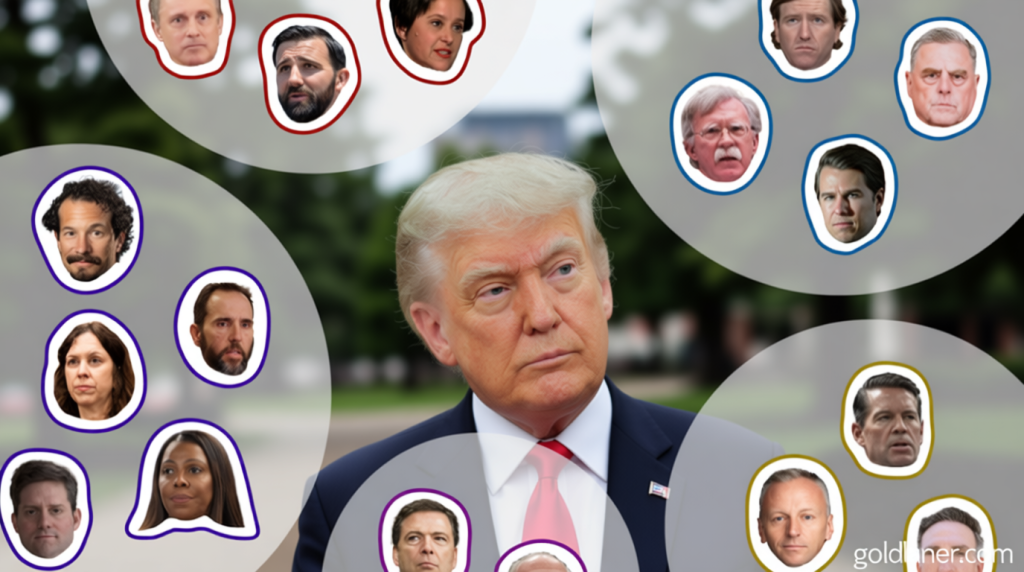
Tracking Trump’s Retaliation Strategy in His Second Term
Tracking Trump s retaliation – As Donald Trump navigates his second term, the focus has shifted toward his deliberate tactics of targeting critics and adversaries. This pattern, evident since his 2016 campaign, has intensified in recent months, with the administration employing legal and political measures to counter dissent. Trump’s approach, often described as a blend of vindictiveness and strategic maneuvering, has drawn attention to his ability to rally support while simultaneously undermining opposition. In 2023, during the Conservative Political Action Conference, he reiterated his commitment to defending those who feel wronged, declaring, “Today I add, I am your warrior, I am your justice, and for those who have been wronged and betrayed, I am your retribution.” This rhetoric underscores a broader effort to maintain dominance by addressing perceived threats through a combination of legal actions and public narratives.
Legal Retaliation and High-Profile Cases
One notable example of Trump’s retaliatory strategy is his legal battle with E. Jean Carroll, a former magazine writer who accused him of sexual assault in 1996. The Justice Department has pursued a criminal investigation into her claims, despite Trump’s repeated assertions that the allegations are false. Carroll’s lawsuits, initially for defamation and later expanded to include sexual abuse, have become a focal point of his retaliation. A 2023 jury found in her favor, awarding her $5 million, while a 2024 verdict granted her an additional $83 million for defamation. These rulings highlight the complexity of Trump’s legal tactics, as his defense of false narratives continues to face judicial scrutiny.
“I am your voice, I am your warrior, I am your justice, and for those who have been wronged and betrayed, I am your retribution.”
This statement, repeated in public speeches, encapsulates Trump’s narrative of being a champion for the marginalized, even as he faces legal challenges. The emphasis on “retribution” suggests a calculated effort to frame critics as villains, reinforcing his image as a defender of the underdog while casting doubt on their credibility.
Targeting Political Rivals and Administration Officials
Trump’s retaliation extends beyond individual cases, often targeting key political figures and officials. In April 2023, the Justice Department indicted former FBI Director James Comey, citing a photo of seashells that officials claimed could harm Trump’s political standing. This followed a similar indictment in the previous year, which was dismissed by a federal judge in November for procedural irregularities. The decision to pursue Comey highlights Trump’s tendency to use legal mechanisms to silence opponents, even when the evidence is ambiguous.
Similarly, Trump has taken direct action against high-profile allies, such as Federal Reserve Chair Jerome Powell, whose testimony about renovations at the Washington, DC, headquarters sparked an investigation. Although the case was later dropped, it underscored the administration’s willingness to scrutinize dissenting voices. Additionally, Trump has revoked the security clearances of over 100 individuals, including senior Biden administration officials and long-serving government staff. These moves, critics argue, are designed to limit the influence of potential adversaries by restricting their access to sensitive information.
His strategy also involves stripping security details from political rivals, such as Kamala Harris, his 2024 opponent. By removing the Secret Service protection for her, Trump appears to prioritize political messaging over safety, signaling a pattern of using security as a tool for control. This aggressive approach has led to debates about whether these actions are driven by genuine security concerns or a calculated effort to weaken opposition. The administration’s focus on legal and physical retaliation reflects a multifaceted strategy to dominate both the political and legal landscapes.
Despite these efforts, not all of Trump’s retaliatory actions have succeeded. While some cases have resulted in favorable outcomes for his administration, others have faced legal hurdles. For instance, the Justice Department’s charges against Comey and others have been met with skepticism, with critics arguing that the accusations are politically motivated. Similarly, the revocation of security clearances and the firing of officials have drawn mixed reactions, with some supporters lauding the decisiveness and others questioning the fairness of the process. The mixed legal outcomes highlight the challenges of maintaining a consistent narrative in the face of judicial and public scrutiny.
Tracking Trump’s retaliation reveals a recurring theme of using legal tools to shape public perception and consolidate power. From the prosecution of former adversaries to the targeting of individuals perceived as threats, his administration has demonstrated a willingness to take aggressive action. As the second term progresses, the effectiveness of these tactics will likely depend on their ability to sway public opinion and withstand legal challenges. The ongoing cases and political maneuvers continue to shape the narrative of his presidency, with “retaliation” serving as a central theme in his efforts to maintain influence.
