
Australian teens among six tourists dead as countries warn of suspected methanol poisonings in Laos
Australian Teens Among Six Tourists Dead as Countries Warn of Suspected Methanol Poisonings in Laos
Australian teens among six tourists dead – Authorities in Laos have confirmed the death of a 19-year-old Australian woman, Holly Bowles, marking her as the sixth foreign tourist to perish in a suspected mass methanol poisoning incident. The tragedy has prompted global concern, with multiple governments issuing warnings about the dangers of consuming contaminated alcohol in the Southeast Asian nation. Bowles was hospitalized in Thailand after being evacuated from Vang Vieng, a bustling backpacker hub, following a night of heavy drinking. Her condition deteriorated rapidly, leading to her critical state before she ultimately passed away.
International Responses to the Crisis
The British Foreign Office announced the death of a 28-year-old lawyer, Simone White, in Laos. Her family expressed profound grief, describing her as a “beautiful, kind, and loving daughter” in a statement shared by PA Media. They also extended their condolences to the families of the other victims, emphasizing the emotional toll of the incident. Meanwhile, the U.S. State Department confirmed the death of an American citizen in Vang Vieng, though it did not specify the cause. The agency stated it was “closely monitoring the situation” and offering consular aid to affected travelers. Denmark’s foreign ministry revealed that two of its nationals had also succumbed to the poisoning, but no further details were provided about their circumstances.
Laos’ state media reported on Friday that the suspected cause of the fatalities was the consumption of tainted alcoholic beverages. The official Lao News Agency (KPL) stated that officials were gathering evidence, witness accounts, and documentation to determine the full scope of the poisoning. This marked the first public acknowledgment of the crisis by the government, which had previously remained silent despite rising reports of deaths and health alerts from other nations.
Detentions and Ongoing Investigations
On Friday, police in Vang Vieng detained the manager and owner of a hostel where the affected backpackers were staying. The Associated Press cited an officer from the district’s Tourism Police office and hostel staff, indicating that the suspect was being questioned about the incident. However, no charges had been formally filed at the time of the report. The hostel had offered free alcohol shots to guests before the fatal night, which may have contributed to the poisoning. According to Nine News, the two Australian women had been drinking at the hostel and a nearby bar on November 11, prior to falling ill.
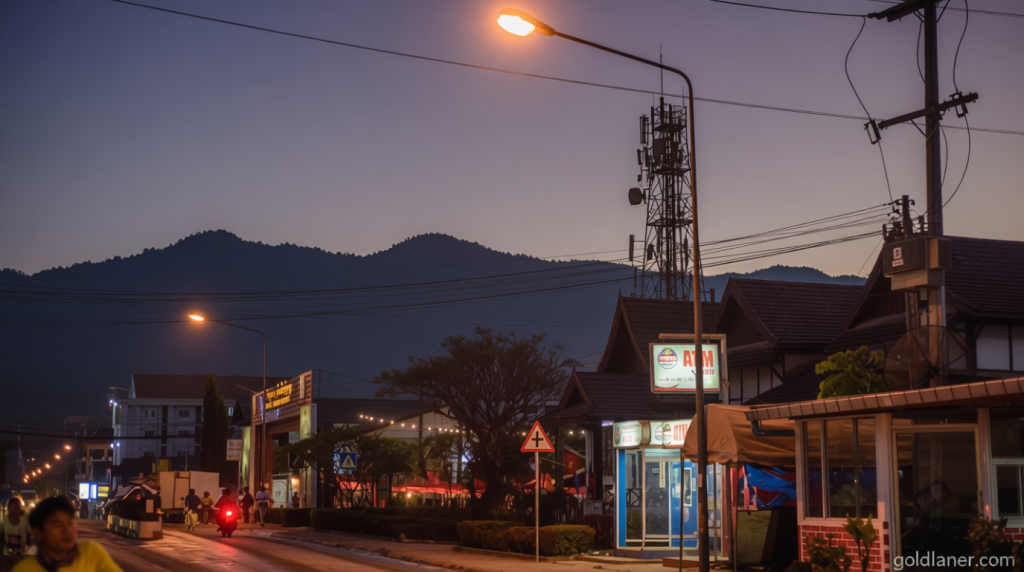
The town of Vang Vieng, located in northern Laos, has long been a magnet for budget travelers. Known for its vibrant nightlife, the area has faced recurring safety issues, including a history of alcohol-related deaths. In 2012, the government implemented measures to curb excessive drinking and drug use, transforming the town into an eco-friendly adventure destination. Despite these efforts, its reputation as a lively spot for socializing has persisted, with the allure of cheap drinks and late-night parties still drawing crowds.
Impact on Families and Global Travelers
Holly Bowles’ family released a heartfelt statement on Friday, acknowledging the loss of their “beautiful girl” and expressing comfort in the memories she created. They noted that she had been “living her best life” by exploring Southeast Asia and forging new friendships. Her friend, Bianca Jones, also 19, died on Thursday, adding to the tragedy. The grieving parents of Simone White described their devastation, calling her a “bright future” who had brought joy to others. These personal tributes underscore the human cost of the poisoning crisis.
Laos’ government expressed deep sorrow over the deaths, calling the victims “dear tourists” and vowing to “bring the perpetrators to justice.” The statement highlighted the nation’s commitment to safeguarding visitors, though the incident has raised questions about the adequacy of its safety measures. The local tourism police, alongside hospital staff, have been working to trace the source of the contaminated alcohol and identify those responsible. The country’s state media emphasized that investigations were ongoing, with officials anticipating an official statement soon.
The deaths have triggered a wave of international scrutiny, with countries urging travelers to exercise caution. The British government highlighted the incident in its communications, emphasizing the need for vigilance in the face of unregulated alcohol sales. Similarly, U.S. officials have advised tourists to be wary of drinking from unknown sources. These warnings reflect growing awareness of the risks associated with methanol-laced drinks, which have been linked to multiple fatalities in Vang Vieng over recent weeks.
Broader Context of the Poisoning Crisis
Laos, a communist nation often characterized by its political opacity, has seen a surge in health alerts tied to its tourism sector. The recent deaths have intensified scrutiny of the country’s alcohol distribution practices, particularly in rural areas where regulation may be lax. Vang Vieng, a popular spot for backpackers, has become synonymous with both adventure and danger, with reports of fatalities linked to river tubing, excessive drinking, and drug use. The 2012 crackdown on nightlife activities was an attempt to mitigate these risks, but the incident has shown that the problem persists.
Authorities in Vang Vieng are now under pressure to address the crisis comprehensively. The hostel manager’s detention signals the beginning of legal action, but the absence of charges suggests that more evidence is needed. Investigations are focusing on the supply chain of the contaminated alcohol, with officials examining whether it was sold deliberately or due to negligence. The KPL report indicated that the poisoning was suspected to have occurred on November 13, with the initial victims potentially consuming tainted drinks during a night of revelry.
As the toll rises, the international community has called for transparency and accountability. The families of the deceased are seeking answers, while governments are urging their citizens to stay informed. The Lao government has pledged to act decisively, but the challenge lies in balancing its economic reliance on tourism with the need for stringent safety protocols. The incident has not only shaken the backpacker community but also raised concerns about the broader implications of methanol poisoning in Laos.
Legacy of the Vang Vieng Tragedy
While the town has rebranded itself as an eco-paradise, the recent deaths threaten to tarnish its image. The lure of cheap drinks and party culture continues to attract travelers, creating a paradox of safety and risk. For many, Vang Vieng represents a gateway to Southeast Asia’s natural beauty, but the poisoning incident has cast a shadow over its reputation. The women who died were among the last to enjoy the town’s vibrant atmosphere before the crisis unfolded.
As the investigation unfolds, questions remain about how such a widespread poisoning could occur. The suspected link to tainted alcohol underscores the need for stricter quality controls in the country’s beverage industry. With six lives lost and more potentially affected, the tragedy has become a stark reminder of the hidden dangers in popular tourist spots. The Lao government’s response, while commendable, will be tested by its ability to prevent future incidents and restore confidence in its tourism infrastructure.
In the wake of the deaths, the focus has shifted to both the immediate victims and the broader implications for travelers. The families’ grief serves as a poignant reminder of the fragility of life, while the international response highlights the interconnectedness of global tourism. As authorities work to uncover the truth, the story of Vang Vieng continues to evolve, blending tales of adventure with the sobering reality of health and safety risks in the region.
